Does a Matcha Latte Taste Different From Traditional Matcha?
You may be asking, what does a matcha latte taste like ? You are not alone. Many people try matcha for the first time in a café latte. Then they taste a whisked bowl and wonder if it is the same drink. It is the same powder, but the experience can be very different.
Our founder selects and tastes every grade we sell, so this is a question we love. Here is the answer in plain English.
What Does a Matcha Latte Taste Like?
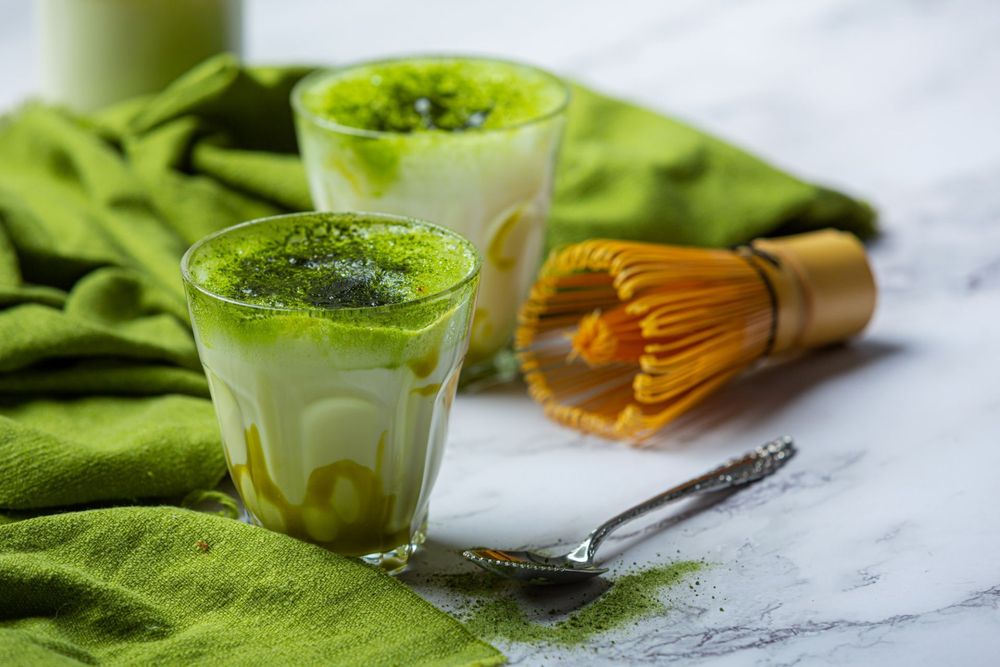
The matcha latte taste is smooth, creamy and gently sweet. You still get the fresh, grassy note that matcha is known for. A savoury umami depth sits underneath. The milk adds a creamy texture and rounds everything off.
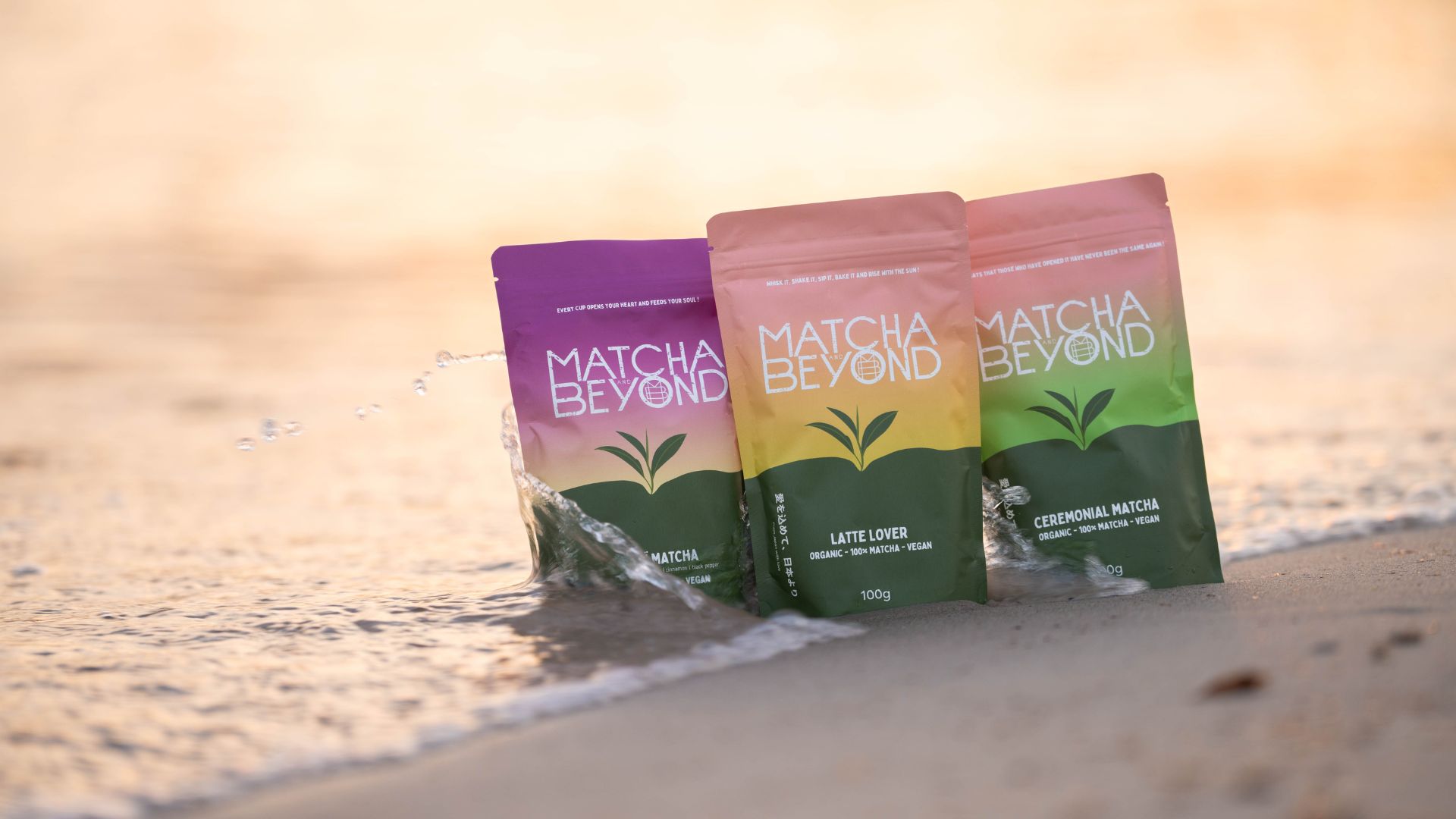
At Matcha And Beyond, we describe our latte matcha as full bodied with balanced umami. Our Matcha Latte Lover is a premium grade, made to hold its colour and character through milk and added flavours. That is the secret to a great latte.
The milk you choose changes the cup too. Almond, oat, vanilla flavoured and coconut milk each bring their own flavour. So two lattes made with the same matcha can taste quite different.
Traditional Matcha Taste: Sweet, Grassy and Umami
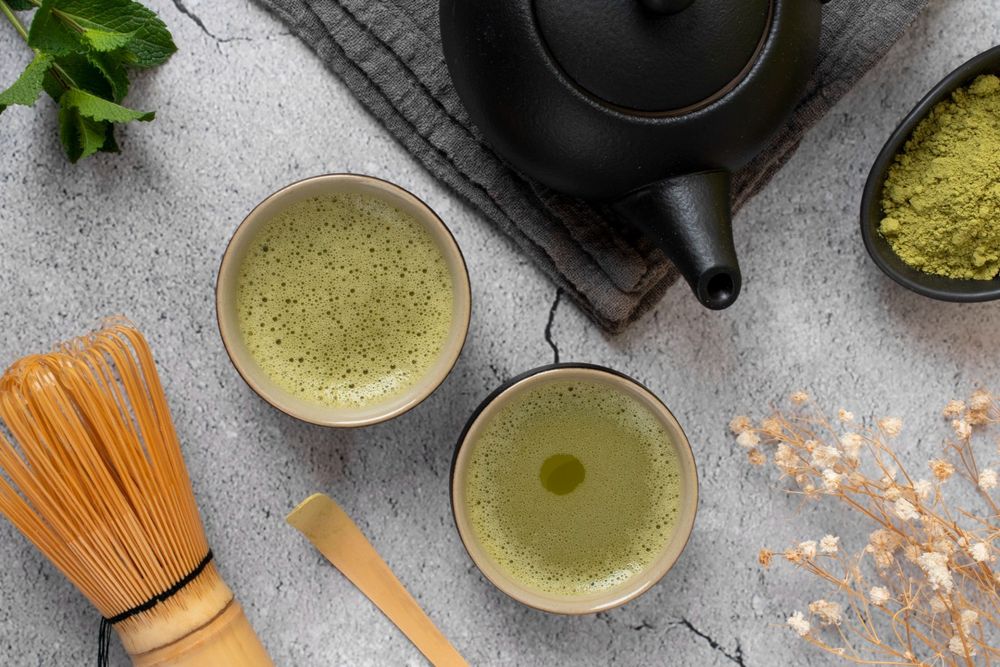
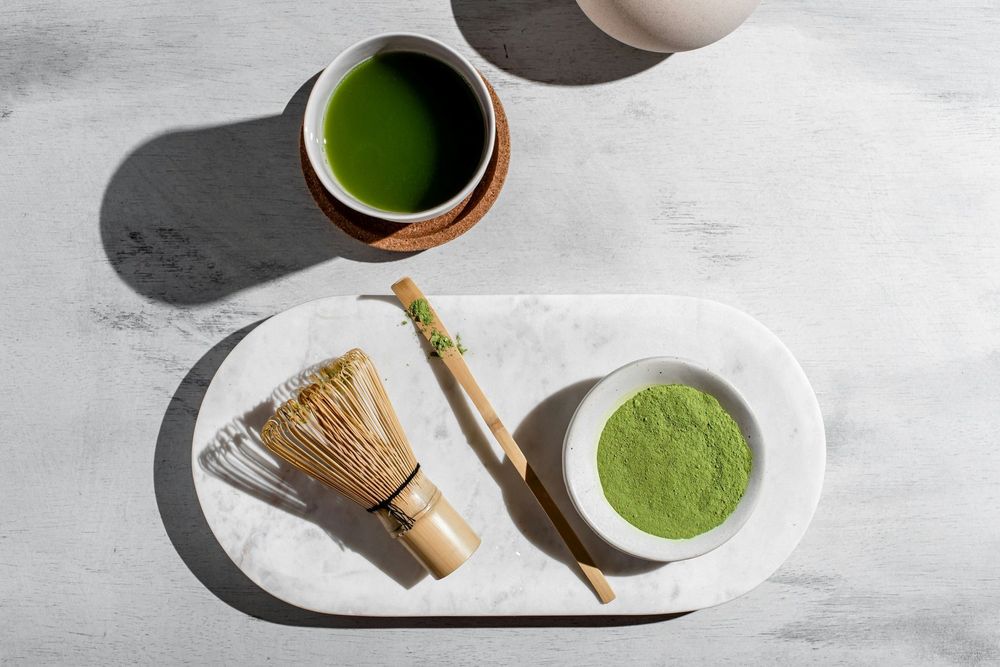
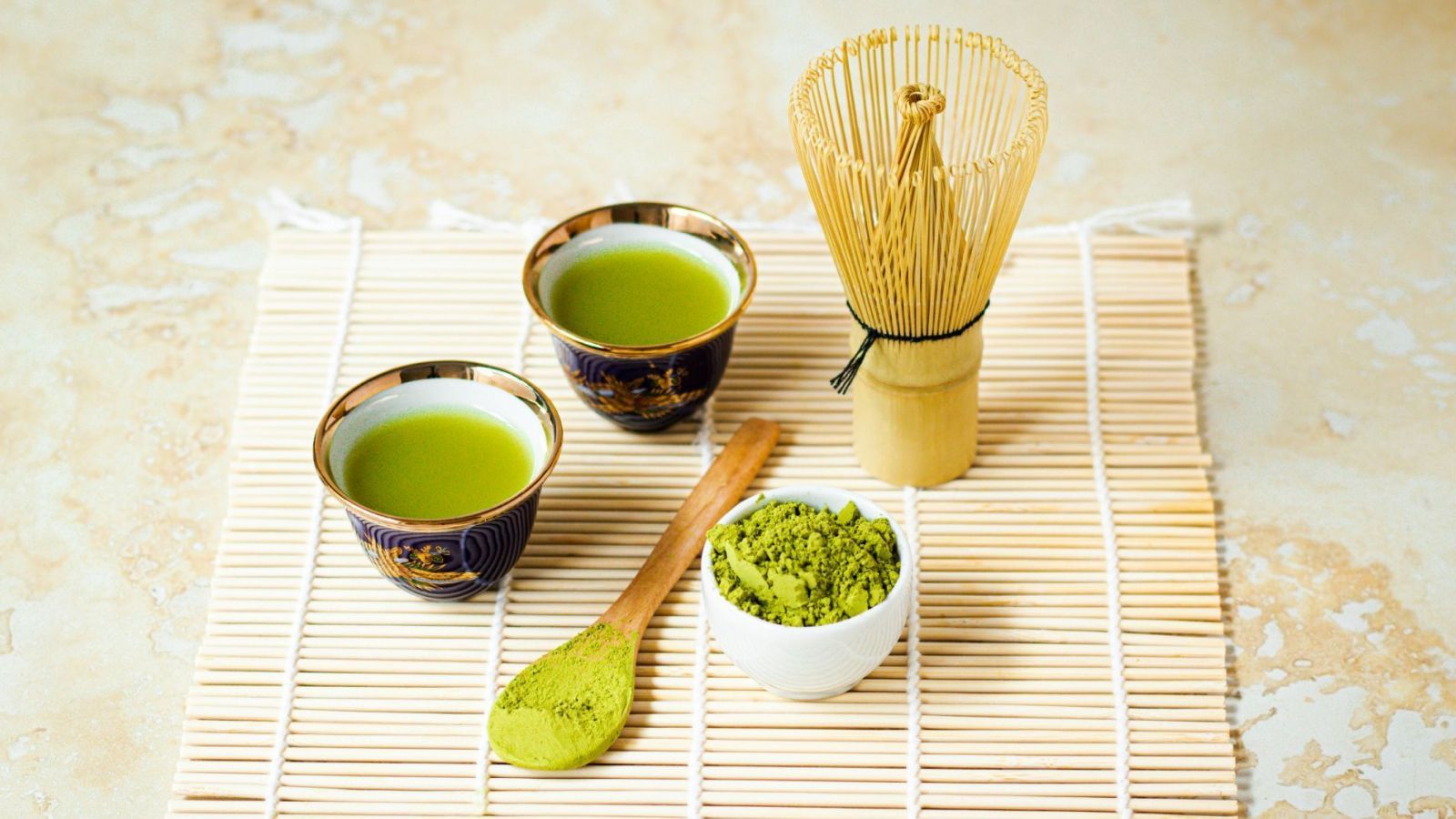
Traditional matcha is whisked with hot water only. The flavour is delicate. You get a light natural sweetness, subtle grassy notes and umami. None of them dominates. They layer together.
Umami is the savoury depth that Japanese tea culture has prized for centuries. It comes from amino acids in the tea leaves, and shade-growing helps keep them. Ceremonial grade uses the youngest, most tender leaves. That is why the umami shows so clearly in a pure cup.
Our Ceremonial Tokyo Edition is a good example. It is bright and light, with balanced sweetness and a smooth, creamy, mild taste. We suggest it for anyone new to matcha.
Matcha Latte Taste vs Traditional Matcha: What Is the Difference?
The powder is the same. What changes is what you add and how you drink it. Here is a simple comparison.
In short, the matcha latte taste is softer and creamier. Traditional matcha is lighter and more savoury. Neither is wrong. They are two ways to enjoy the same leaf.
Does the Grade Change the Matcha Latte Taste?
Yes, a lot. Ceremonial grade is grown to be drunk on its own. The plants are shaded for four to six weeks before a spring harvest. The flavour is delicate, so strong ingredients can bury it.
Latte grade, also called premium grade, sits below ceremonial. It is fuller bodied and less delicate, and it is picked later in the year. It is built to hold its colour and character through milk and added flavours.
Culinary grade is stronger and more astringent. It suits smoothies, baking and creative lattes with other strong flavours. One more point matters here. Grade is not the same as quality. Every grade has good and poor examples. Quality comes from the region, the growing practices, how the leaf is picked and how it is ground.
Here are two of our matchas side by side.
Each 100g pouch makes up to 100 cups. If you would like to see the whole range, you can browse our matcha collections and find the one that suits your cup.
How to Get the Best Matcha Latte Taste at Home
Even great matcha can taste bitter if it is prepared badly. The usual causes are clumpy powder, lower quality matcha, or water that is too hot. The fix is simple.
- Sieve 1 to 2 grams of matcha into your cup.
- Add 60ml of water heated to 80°C, not boiling.
- Whisk with a bamboo chasen in an M pattern until it is frothy.
- Pour in 180ml of your favourite milk, hot or cold.
The right tools help. Our Bamboo Sieve is £7.95 and our Chasen Bamboo Whisk is £15.00. Whisking also brings out the aroma and gives you that soft froth.
Then play with flavour. Matcha pairs well with mango, pineapple, lemon, berries, maple syrup, and white or dark chocolate. For ideas, try our Iced Strawberry Matcha Latte recipe.
The Takeaway
So, does a matcha latte taste different from traditional matcha? Yes. A latte is creamy, smooth and gentle. Traditional matcha is light, sweet, grassy and full of umami. Grade, milk and preparation all shape the cup. Pick the style that suits you, and enjoy it your way. If you run a café or shop and want your customers to enjoy the same taste, you can serve our matcha at your café or shop . We offer no minimum order, 2 day delivery and training for your baristas and staff.
Frequently Asked Questions
Does a matcha latte taste different from traditional matcha?
What does a matcha latte taste like?
Why does my matcha latte taste bitter?
Which matcha is best for a latte?
Does matcha contain sugar?
How much matcha do I need for one latte?
Do you deliver matcha across the UK?