Advantages of Matcha Tea for Skin, Brain and Metabolism
That range comes down to how matcha is made. It's stone-ground from the whole tea leaf, rather than steeped and discarded. Every cup carries a concentration of antioxidants, amino acids, and chlorophyll that a standard infused tea simply can't match. Businesses and individuals who want to buy bulk ceremonial grade matcha are often drawn to exactly this whole-leaf quality. It's the foundation every other benefit builds on.
This guide breaks the advantages of matcha tea down into three areas people ask about most: skin, brain function, and metabolism. We'll explain what's actually happening inside each cup to produce these effects.
Why Matcha Works Differently to Other Teas
Before getting into specific benefits, it helps to understand why matcha behaves so differently to a cup of steeped green tea. When tea leaves are infused in hot water and then discarded, much of their nutrient content stays trapped inside the leaf. Matcha skips that limitation entirely. The leaf itself is stone-ground into a fine powder and consumed whole.
This single difference explains a lot. Matcha delivers a noticeably higher concentration of catechins, chlorophyll, and amino acids than an equivalent cup of regular green tea. It's also why matcha's benefits tend to feel more pronounced, or faster to notice, than other teas made from the same plant. It's the whole-leaf principle Matcha & Beyond builds its entire range around.
Advantages of Matcha Tea for Skin
One of the most talked-about advantages of matcha tea is its effect on skin. Drinkers often sum it up as the "matcha glow." This comes largely down to matcha's exceptionally high antioxidant content. Antioxidants help the body fight free radicals, which are responsible for dulling skin and speeding up visible signs of ageing.
Matcha is also rich in EGCG, a specific antioxidant compound found in concentrated amounts in stone-ground tea leaves. Research referenced on the Matcha & Beyond site points to EGCG supporting skin hydration. It may also help reduce the formation of wrinkles and aid the rejuvenation of skin cells over time. Regularly drinking matcha may calm inflammation too, alongside supporting a reduction in acne and better skin elasticity.
None of this replaces a proper skincare routine. But as a dietary habit, matcha's antioxidant load gives the skin extra support from the inside. It works alongside whatever you're already applying topically. This is a good example of how matcha's advantages tend to build quietly in the background, rather than producing an overnight transformation.
Advantages of Matcha Tea for Brain and Cognitive Function
The brain-focused advantages of matcha tea come from a specific pairing found naturally in the leaf: caffeine alongside an amino acid called L-theanine. On its own, caffeine sharpens alertness quickly. But it can also overstimulate the nervous system. L-theanine tempers that effect, working alongside caffeine to support cognitive function in a smoother, more sustained way.
Together, this combination has been shown to improve attention and memory more effectively than caffeine alone. The caffeine in matcha is released more gradually, thanks to L-theanine. Because of this, drinkers typically describe the resulting focus as calm and clear rather than wired, without the jittery edge sometimes associated with strong coffee.
This steadier form of mental energy matters most to people who rely on sustained concentration. Think studying, deadlines, or long working sessions. For many, it's the single biggest reason matcha earns a place in a daily routine, on top of its other benefits.
Advantages of Matcha Tea for Metabolism
The metabolic advantages of matcha tea are closely tied to its role in supporting the body's natural detoxification processes. Matcha is rich in chlorophyll, the compound responsible for its vivid green colour. Chlorophyll supports the liver in flushing out toxins and processing nutrients efficiently.
Beyond detox support, several studies point to matcha's potential to encourage a metabolism boost and support fat burning. Both can be useful additions to a balanced diet and active lifestyle. It's worth being clear that matcha isn't a stand-alone weight-loss solution. But as part of a wider healthy routine, its gentle stimulation and metabolic support give it a real edge over drinks that offer caffeine alone.
Our deeper look at how matcha's compounds compare to a regular cup of coffee covers this metabolic angle in more detail. It also explains how matcha's caffeine content and release pattern differ from a standard espresso or filter coffee.
Bringing Skin, Brain, and Metabolism Together
What makes the advantages of matcha tea genuinely interesting is that they don't work in isolation. The antioxidant load supporting your skin also contributes to the cellular protection linked with healthy ageing more broadly. The same L-theanine responsible for calm focus is part of what makes matcha's energy release gentler on the body. And the chlorophyll supporting detox sits alongside the catechins associated with metabolism and fat burning.
Most regular drinkers aren't picking one single reason to drink matcha. It's the combination, skin support, mental clarity, and metabolic backing, working together from one daily habit, that keeps them coming back to it.
Getting the Most From Matcha's Benefits
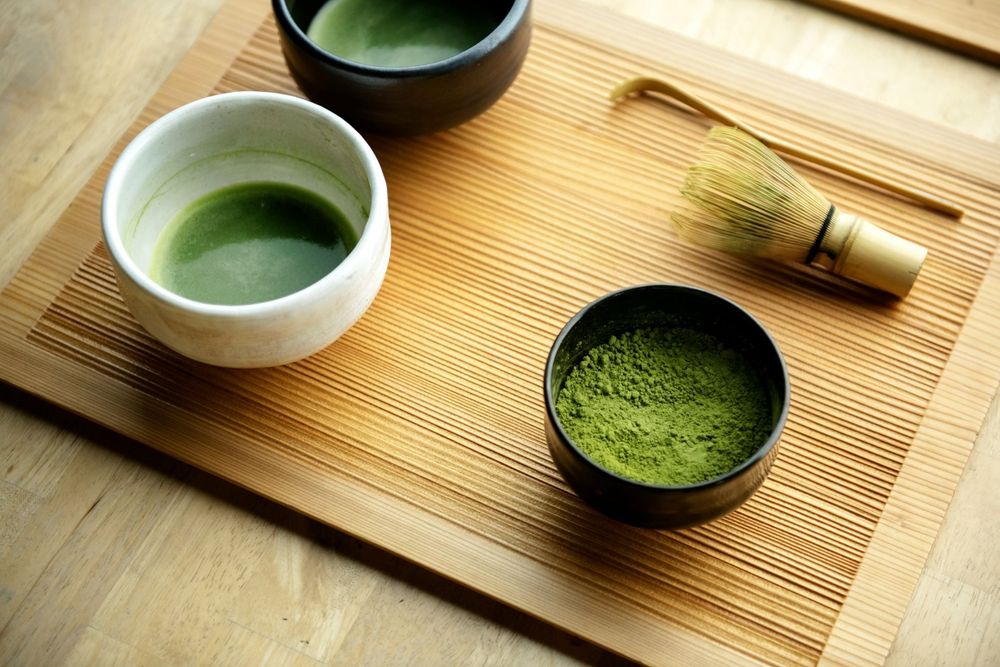
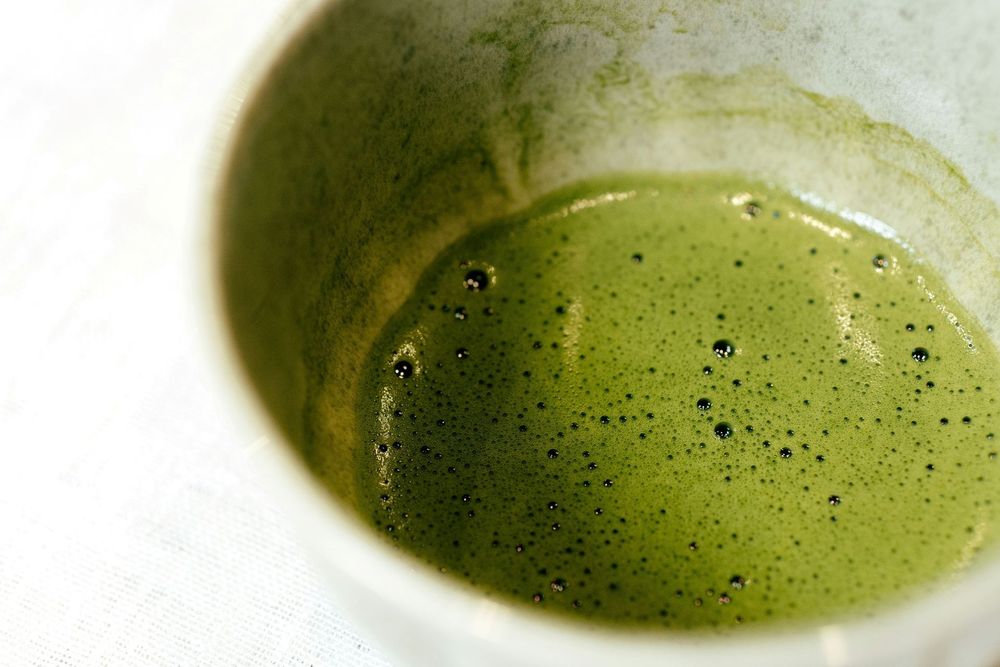
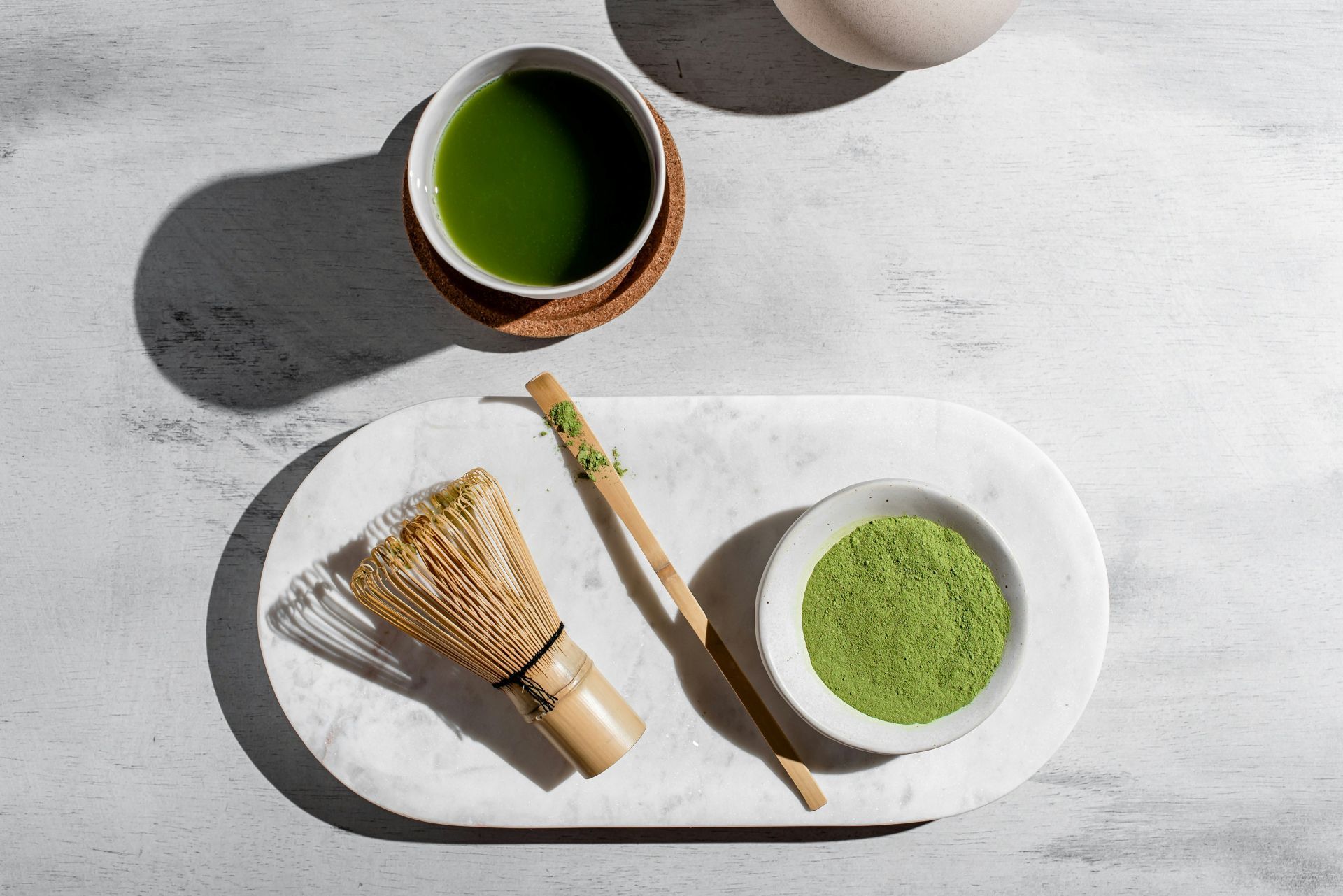
To actually experience these advantages, preparation matters just as much as the matcha itself. Sieve the matcha before adding water, to avoid clumps that release bitterness unevenly. Then whisk it with hot water at around 75 to 80°C, using a brisk zig-zag motion, until frothy. Skipping these steps won't remove the nutritional benefits. But it can make the cup less enjoyable, which makes it harder to build the habit in the first place.
Consistency plays a role too. Many of matcha's benefits, particularly around skin and metabolism, build gradually with regular consumption rather than appearing after a single cup. Treat matcha as a daily habit rather than an occasional novelty drink, and you're far more likely to notice the fullest range of its advantages.
It also helps to keep expectations realistic. The advantages of matcha tea are genuine and well-documented. But they work best as one supportive piece within a broader routine, alongside reasonable sleep, hydration, and a balanced diet, rather than as a substitute for any of those fundamentals.
Conclusion
The advantages of matcha tea reach well beyond a simple caffeine boost. They touch skin health through antioxidants and EGCG, brain function through the calming focus of L-theanine, and metabolism through chlorophyll-backed detox and fat-burning potential. Together, these benefits make a strong case for matcha as a daily habit rather than an occasional treat. Ready to explore the range for yourself? Browse the full matcha collection to find the grade that fits how you plan to enjoy it.
Frequently Asked Questions
What are the main advantages of matcha tea?
How does matcha support cognitive function specifically?
Is the "matcha glow" a real thing?
Can matcha genuinely help with a metabolism boost?
Do I need ceremonial grade matcha to get these benefits?