Is Matcha Good for You? A Complete Look at the Health Properties
So, is matcha good for you? Many people think so, and there is good reason. Matcha is a centuries-old Japanese tea. If you want to try it in its purest form, start with ceremonial grade matcha , made from 100% stone-ground tea leaves. This guide looks at the matcha health properties in plain English.
We only share what we know from our own matcha and research, with no wild claims. Matcha is a healthy habit, not a magic fix.
Is Matcha Good for You? Start With the Whole Leaf
The key is how matcha is made. It comes from shade-grown tea leaves that are steamed, dried and stone-ground into a fine powder. You drink the whole leaf, not just an infusion of it.
Steeped green tea works differently. The leaves are thrown away after brewing, and much of their goodness stays trapped inside them. Matcha skips that problem. Nothing is strained out.
That is why matcha tends to have more catechins and antioxidants than a cup of steeped green tea. It also has a higher concentration of amino acids. Matcha is packed with chlorophyll too, the compound behind its vivid green colour.
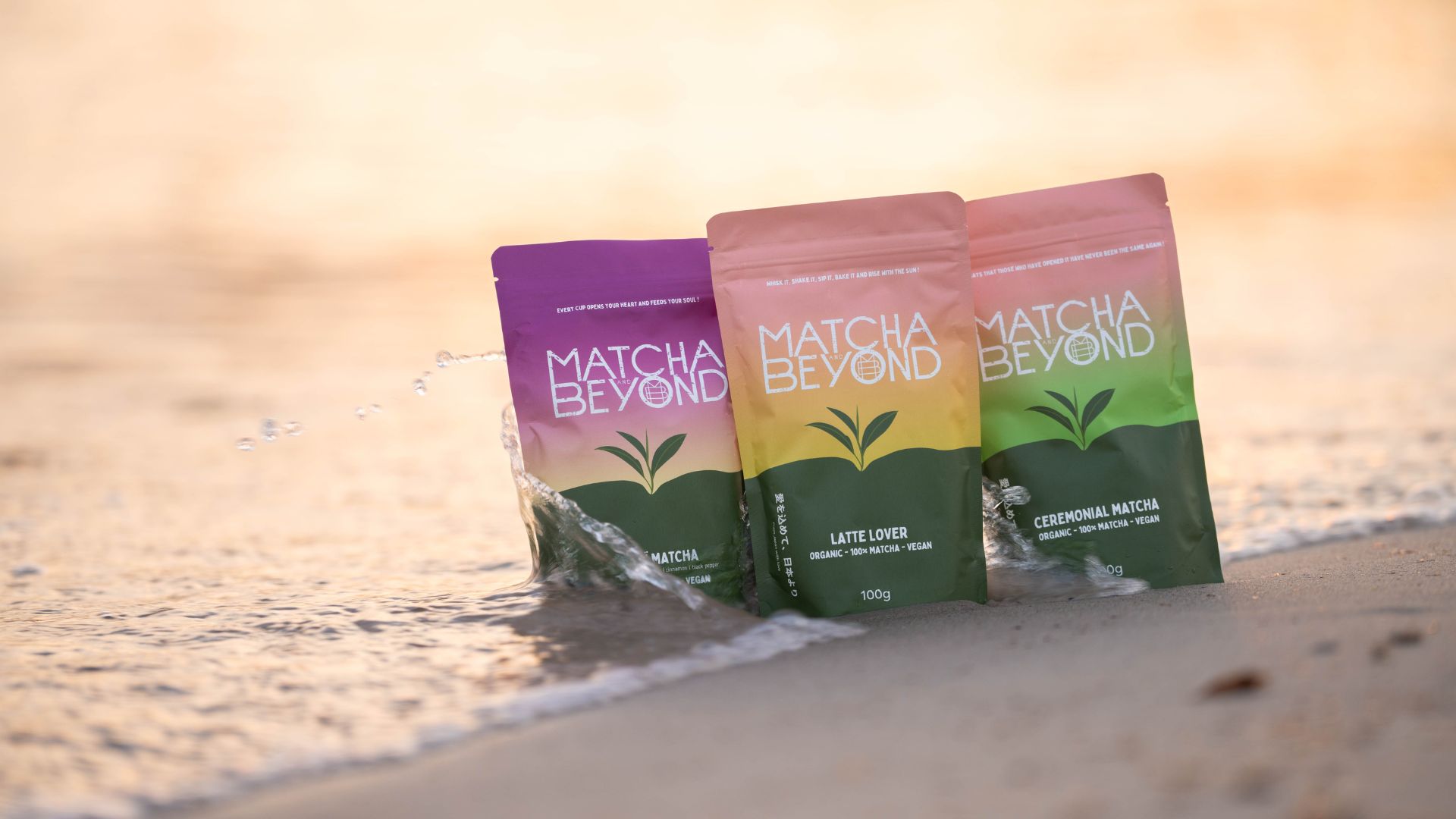
At Matcha And Beyond, our matcha is sourced from organic tea gardens in Kagoshima and Uji, Japan. It is JAS and EU organic certified, and every batch is tested for radiation, heavy metals and pesticides. Our founder, a nutritional therapist, started the brand to offer a healthier alternative to coffee and sugary lattes.
Antioxidants, Catechins and EGCG Explained
Antioxidants are the headline matcha health property. Matcha contains a concentrated amount of them, and they may help reduce cell damage. Because you consume the whole leaf, you get far more than from a steeped cup.
Catechins are the natural plant compounds behind many of those antioxidant properties. EGCG is the standout catechin, and matcha contains high levels of it. Research points to benefits for the skin, including better hydration, fewer wrinkles and support for skin cell renewal.
Here is a simple guide to the main compounds.
Here is how matcha compares with other popular drinks.
Matcha Health Properties for Brain, Skin and Energy
Matcha naturally contains caffeine alongside L-theanine. Together, they have been shown to improve attention and memory. The caffeine is released at a slower pace, so the energy feels calm and steady. Many people notice it for three to six hours, without the jitters. That makes matcha a popular morning choice when you need to concentrate.
Skin is another area people talk about. Matcha's antioxidants help fight free radicals, and drinkers call the result the "matcha glow". The EGCG in matcha may also support skin hydration and elasticity. Regular drinking may help calm skin inflammation and acne too. It works alongside your usual skincare, not instead of it.
Many cafés and wellness brands add matcha to their menus and products because people want these benefits. If that is you, our guide on who should choose bulk matcha powder is a good place to start.
Can Matcha Help With Weight Management?
Possibly, as a supporting player. Several studies point to matcha helping to increase metabolism and fat burning. Both can support weight management when paired with a balanced diet and an active lifestyle.
Matcha's chlorophyll also supports the liver, which plays a central role in flushing out toxins and processing nutrients. That detox support is one of its more overlooked matcha health properties.
To be clear, matcha is not a stand-alone weight loss solution. It works best as one part of a wider routine, alongside good sleep, hydration and sensible eating.
Matcha and Heart Health
Heart health is a bonus benefit. Research shows that matcha can help reduce LDL cholesterol, often called "bad" cholesterol. LDL raises the risk of strokes and heart attacks.
Combined with a well-rounded diet and a healthy lifestyle, drinking matcha may help support long-term heart health. As with every matcha health property, it is a helpful habit, not a guarantee.
How to Get the Most From Matcha
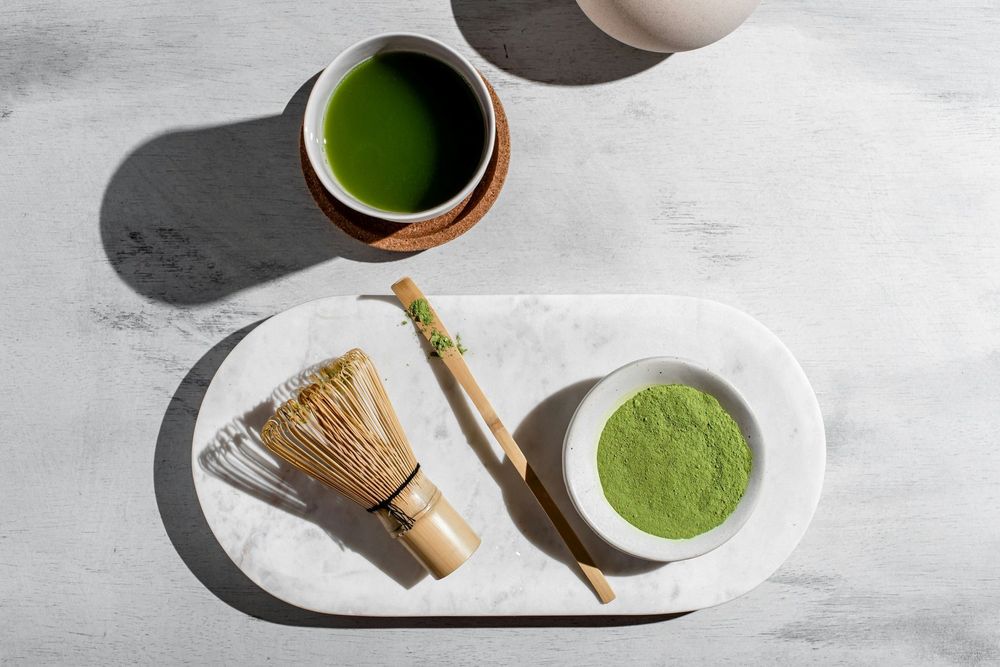
Preparation matters. Sieve 1 to 2 grams of matcha first, so there are no clumps. Whisk it with water heated to about 80°C, not boiling, in a brisk zig-zag motion until it is frothy. Look for matcha made from 100% tea leaves, with no anti-clumping agents.
You do not need ceremonial grade for the underlying benefits. Both ceremonial and culinary grade come from stone-ground whole leaves. Ceremonial is made for drinking with water alone. Culinary suits lattes, smoothies and baking.
Start small. Try replacing one cup of coffee a day with matcha, and see how your energy and focus feel. Many benefits, especially for skin and metabolism, build gradually with regular drinking. So treat matcha as a daily habit, not a one-off.
The Takeaway
So, is matcha good for you? Yes. It is rich in antioxidants, catechins and EGCG, and it may support focus, skin, metabolism and heart health. It works best alongside a balanced diet, and it is not a cure-all. If you have any health concerns, speak to your doctor first. If you run a café, shop or wellness brand, you can stock our matcha for your customers , with no minimum order and training for your team.
Frequently Asked Questions
Is matcha good for you?
What is EGCG in matcha?
Does matcha have more antioxidants than green tea?
Is matcha good for weight management?
Is matcha good for heart health?
How much caffeine does matcha have?
Do I need ceremonial grade matcha for the health benefits?