Matcha vs Coffee for Focus - Which One Helps You Concentrate Better?
If you are weighing up matcha vs coffee, you are not alone. Many people want to concentrate better without the jitters. Both drinks contain caffeine, but they behave very differently in your body. You can find organic Japanese matcha ground from whole tea leaves, and that is a big part of why its effect feels so different.
We stick to what our research and our own matcha tell us, with no hype. Here is the simple version.
Does Matcha Have More Caffeine Than Coffee?
No, matcha generally has less. A cup of matcha has about 70mg of caffeine. A standard cup of coffee has about 95mg. Steeped green tea sits lower still, at about 35mg.
The gap is not huge, but it changes how each drink feels. Coffee's caffeine hits your system quickly, in a concentrated dose. Matcha's caffeine is absorbed more gradually, largely thanks to L-theanine working alongside it.
That is because matcha uses the entire tea leaf, stone-ground into a fine powder. You consume the whole leaf, not just what dissolves in water. So the caffeine arrives together with the leaf's other natural compounds.
At Matcha And Beyond, our matcha is sourced from organic tea gardens in Kagoshima and Uji, Japan, and is JAS and EU organic certified. Our founder, a nutritional therapist, started the brand after noticing how many of her clients relied on coffee and sugary lattes. She wanted to offer a healthier alternative.
Matcha Green Tea vs Coffee: The Quick Comparison
Here is how the two drinks compare side by side.
Neither drink is bad. They simply work in different ways.
L-Theanine and Caffeine Synergy: Why Matcha Feels Different
The biggest difference comes down to one ingredient. L-theanine is an amino acid found naturally in tea leaves, but not in coffee beans. It works alongside caffeine to slow its release into your bloodstream. That smooths out the sharp peaks and drops that coffee tends to produce.
Together, the two have been shown to improve attention and memory. Paired with caffeine, L-theanine can improve cognitive function and increase focus and alertness. That is the L-theanine and caffeine synergy, and it is why a cup of matcha in the morning suits days when you need your brain function at its best.
The result feels calm and clear-headed, not wired. You still get a caffeine lift, but without the restless edge a strong coffee can bring.
Many cafés now serve matcha next to coffee for exactly this reason. If you run one, this guide to sourcing matcha for your business covers grades, suppliers and storage.
Why Coffee Can Lead to a Slump
Coffee is excellent at one job: a fast, noticeable jolt of alertness. The catch is what follows. Its caffeine is absorbed quickly and in full force. That often means a sharp rise in alertness, then an equally sharp drop a few hours later. Many people know it as the afternoon slump.
It is why so many coffee drinkers reach for a second or third cup before the day is half done. Each cup restarts the same cycle.
This is not a flaw in coffee. It is simply how caffeine behaves when nothing else buffers it. Coffee beans do not contain L-theanine, so nothing slows the release.
Which Is Better for Focus, Matcha or Coffee?
It depends on what you need. If you want a fast, powerful hit for a short window, coffee still does that better than almost anything. If you want steady concentration through a long morning or a demanding afternoon, matcha has the edge.
That makes matcha a good fit for studying, deadlines and long working sessions. You get alertness that holds up, rather than a spike and a crash.
It is not about cutting caffeine out. Some people love the taste and the ritual of coffee, and that is perfectly fine. The point is knowing what each drink does, so you can choose the right one for the moment.
How to Switch From Coffee to Matcha
You do not need to give up coffee overnight. Start by replacing one cup a day with matcha, and notice how your energy and focus change. Even swapping two or three cups a week can make a difference.
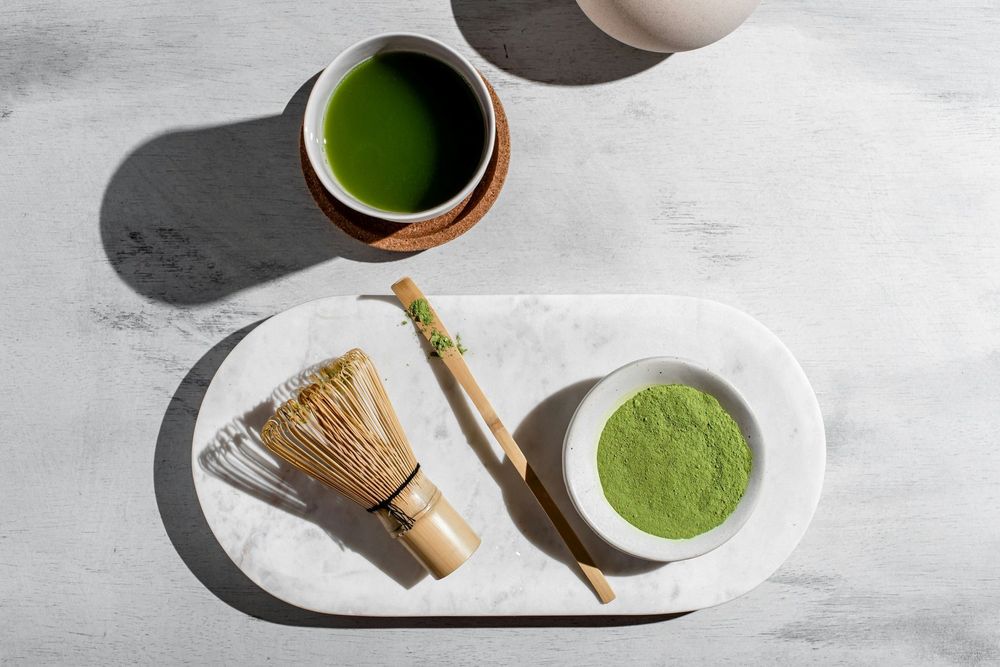
Matcha does not dissolve in water, so it needs a little care. Here is our simple method.
- Sieve 1 to 2 grams of matcha to remove clumps.
- Add 60ml of water heated to 80°C, not boiling.
- Whisk in an M pattern until you get a good froth.
- Pour in 180ml of milk, or 80ml of hot water.
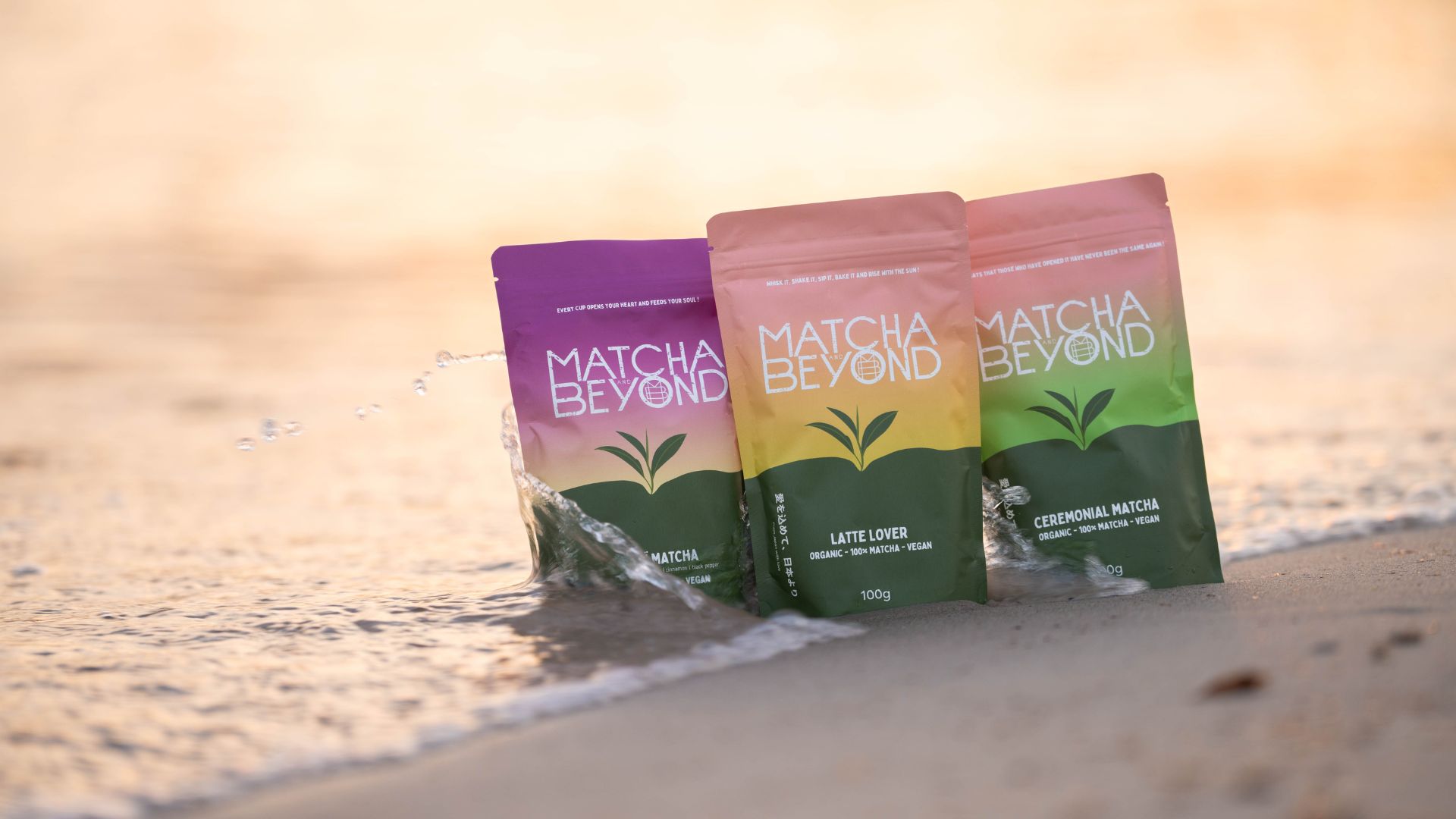
Which matcha should you pick? Our Matcha Latte Lover is full bodied with balanced umami, and a 100g pouch costs £20.00. Our Ceremonial Tokyo Edition is bright and light with balanced sweetness, and a 100g pouch costs £25.00. We suggest it for anyone new to matcha. Each pouch makes up to 100 cups, which works out at £0.20 and £0.25 a serving. We ship across the UK, and shipping is free on orders over £40.
The Takeaway
So, which wins the matcha vs coffee contest for focus? For steady, long-lasting concentration, matcha. For a quick jolt, coffee. Matcha's caffeine and L-theanine give calm, clear alertness for three to six hours, with fewer jitters. Pick the drink that suits your day, or enjoy both. If you want to offer this kind of drink under your own name, you can launch your own matcha brand with us . We supply ceremonial and latte-grade matcha, from unbranded bulk to your own label.
Frequently Asked Questions
Is matcha or coffee better for focus?
Does matcha have more caffeine than coffee?
What is L-theanine?
Why doesn't matcha cause the same afternoon slump as coffee?
Does matcha cause jitters?
Can matcha replace coffee completely?
How do I make matcha for focus?