Matcha Health Benefits: What Coffee Drinkers Are Missing Out On
Matcha isn't just a trendy green drink for your Instagram feed. It's a centuries-old Japanese tea that offers a balanced caffeine intake along with a genuinely high dose of antioxidants and nutrients coffee simply doesn't provide.
Coffee gives you a quick jolt, but it often comes with jitters, a crash, and an afternoon slump. Matcha works differently. It delivers steady energy, mental clarity, and a long list of matcha health benefits that support your whole body, not just your alertness. If you want to try the real thing, a good place to start is with ceremonial grade matcha , a pure, single-origin matcha made with 100% stone-ground tea leaves.
What Makes Matcha Different From Coffee?
Matcha is made from finely ground, shade-grown green tea leaves that are unheated to preserve their nutrients, unlike regular green tea leaves which are more processed. Because you drink the whole leaf rather than a brewed infusion, you get far more of its natural goodness in every cup. When you brew a normal cup of green tea, most of the antioxidants and minerals actually stay trapped in the leaves and get thrown away. Matcha avoids that problem entirely.
Coffee, on the other hand, is simply a roasted bean extract. It has caffeine, yes, but it lacks the calming compounds and whole-leaf nutrition that make matcha such a powerhouse. This single difference is the foundation of most matcha health benefits.
Caffeine content also plays a role here. A cup of matcha contains around 70mg of caffeine, compared to roughly 35mg in regular steeped green tea and about 95mg in a cup of coffee. So matcha sits comfortably in between: enough caffeine to wake you up, without the sharp overload that coffee can bring.
Top Matcha Health Benefits Coffee Drinkers Are Missing
Let's break down exactly why switching even a few days a week can make a noticeable difference in how you feel.
1. Loaded With Antioxidants
One of the biggest matcha health benefits is its antioxidant content. Because matcha is ground tea leaves rather than a steeped infusion, it contains all the nutrients from the entire leaf, giving it more catechins and antioxidants than regular steeped green tea. These antioxidants may help reduce cell damage and protect against chronic disease.
Coffee has some antioxidants too, but nothing close to matcha's concentration. This is one of the clearest reasons matcha health benefits are so consistently recommended by nutritionists as part of a daily routine rather than an occasional treat.
2. L-Theanine Focus Without the Jitters
This is where matcha truly outshines coffee. Matcha naturally contains the amino acid L-theanine alongside its caffeine, and together the two have been shown to improve aspects of brain function, including attention and memory.
Paired with caffeine, L-theanine can help improve cognitive function and increase focus and alertness, which is exactly why a cup in the morning works so well when you need your concentration at its sharpest. Because the caffeine is released at a slower, more sustainable pace, you get pure, clean energy for three to six hours, without the sudden spike and crash that coffee often causes. For students, professionals, or anyone who needs to concentrate for long stretches, this L-theanine focus effect is one of the most valuable matcha health benefits available.
3. Supports Natural Detox
Matcha is often described as supporting the body's natural detoxification process, largely thanks to its high chlorophyll content. The liver plays a central role in flushing out toxins and processing nutrients, and matcha's chlorophyll helps cleanse the bloodstream and remove heavy metals and other toxins, freeing up the body's capacity to repair and regenerate.
Several studies also show that Japanese green tea in matcha form can help increase metabolism and fat burning, both of which may support weight management alongside its detox properties. This is one of the more overlooked matcha health benefits, especially for people trying to reset their eating habits.
4. Promotes Skin Health
If you care about your skin, matcha deserves a spot in your routine. Its high antioxidant content helps protect the skin by fighting free radicals, enhancing brightness, and promoting a healthy complexion, often referred to as the "matcha glow."
Matcha also contains high levels of EGCG, which research suggests can meaningfully support skin hydration, reduce the formation of wrinkles, and aid the rejuvenation of skin cells. Drinking matcha regularly may also help reduce skin inflammation and acne while improving skin elasticity, making it one of the more visible matcha health benefits over time.
5. Boosts Metabolism Naturally
Trying to manage your weight? Matcha may help. As mentioned above, several studies indicate matcha can help increase metabolism and fat burning, making it a supportive addition to a balanced diet and active lifestyle.
Unlike coffee, which can overstimulate the nervous system in excess, matcha's slower caffeine release offers a gentler, more sustainable approach to energy and metabolism support, rather than a short-lived spike that fades by lunchtime.
A Bonus Benefit: Heart Health
Beyond the five benefits above, research also shows that consuming matcha can significantly reduce LDL cholesterol, often referred to as "bad" cholesterol, which raises the risk of strokes and heart attacks. Combined with a well-rounded diet and healthy lifestyle, matcha may help support long-term heart health too.
How to Start Adding Matcha to Your Routine
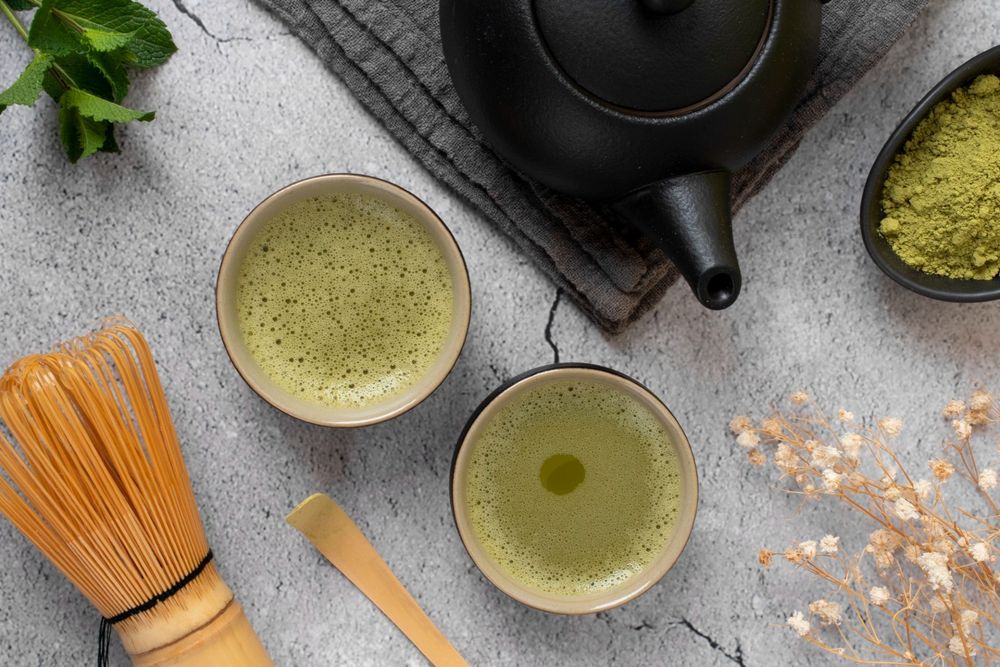
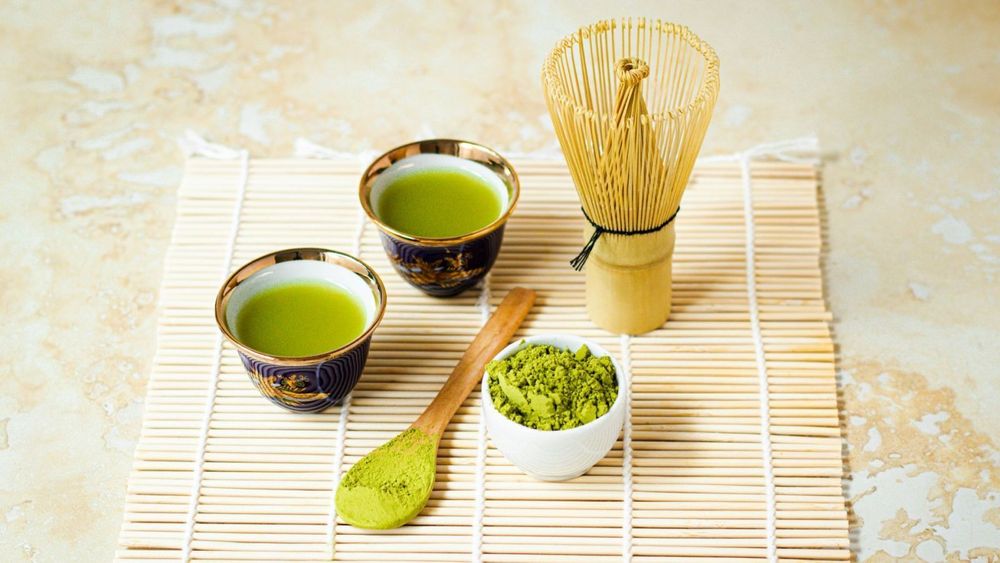
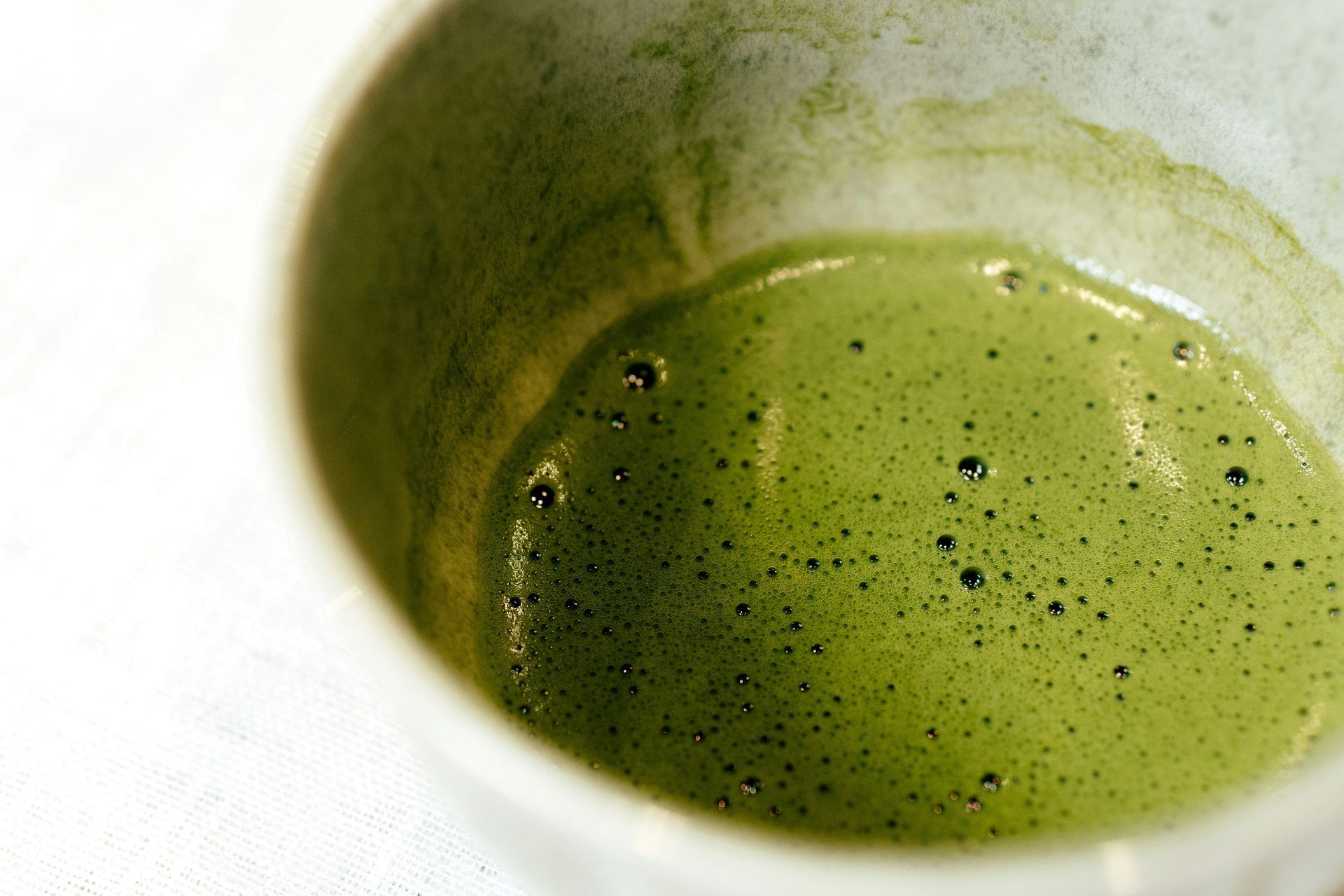
You don't need to give up coffee overnight. Start by replacing one cup a day with matcha and notice how your energy and focus change. Matcha is a suspension tea, meaning the powder won't dissolve in water on its own. It needs to be sieved to remove clumps, then whisked with hot water at around 80°C in a brisk back-and-forth or zig-zag motion until frothy.
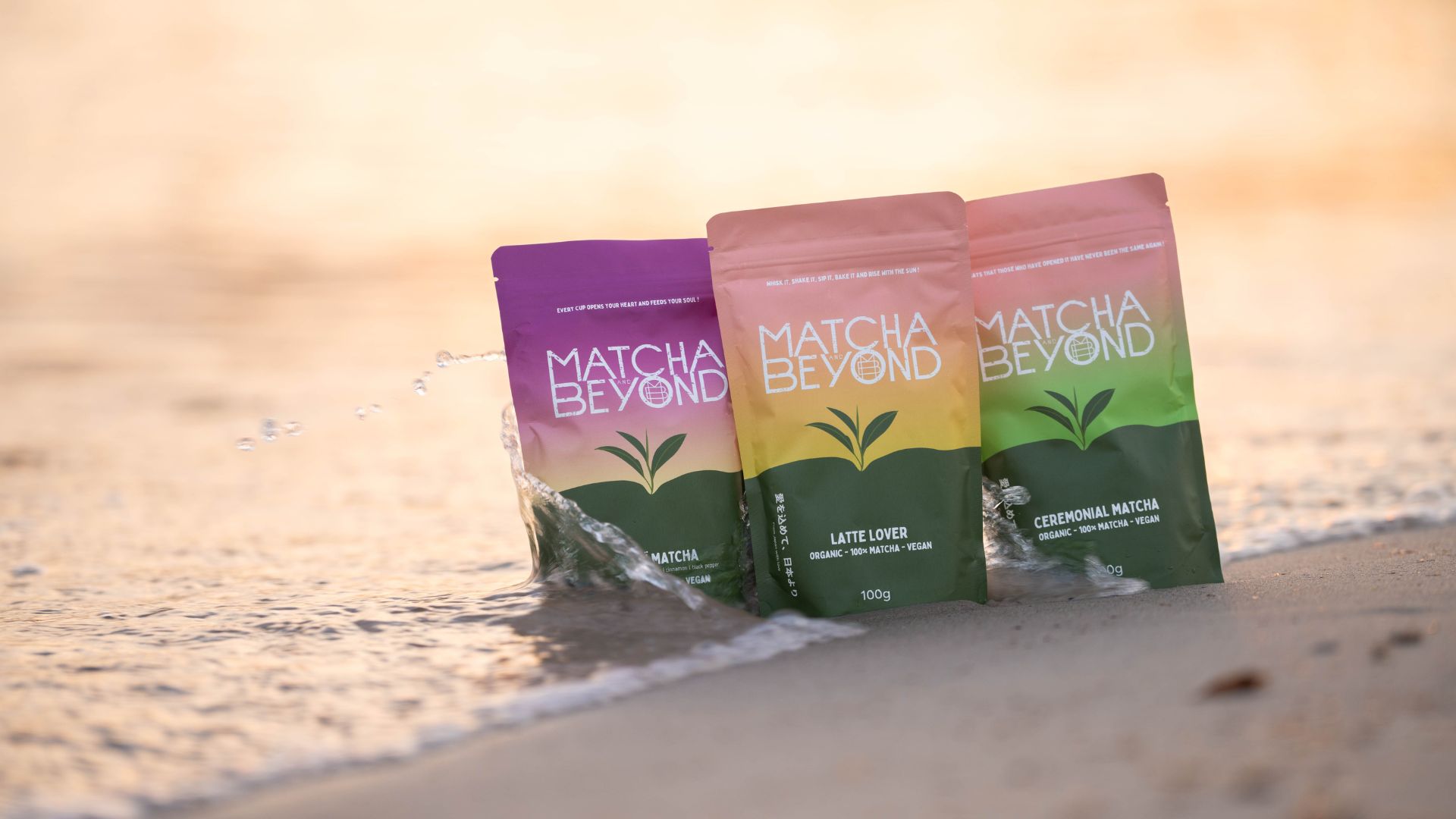
At Matcha And Beyond , the matcha is sourced directly from organic tea gardens in Kagoshima and Uji, Japan, and is JAS and EU organic certified, with every batch tested for radiation, heavy metals, and pesticides. The founder, a nutritional therapist, started the brand after noticing how many of her clients relied heavily on coffee and sugary lattes, and wanted to offer a genuinely healthier alternative with real matcha health benefits.
Fun Ways to Enjoy Matcha Beyond the Cup
Matcha doesn't have to stay in your mug. It works wonderfully in recipes too, giving you all the same matcha health benefits in a more indulgent form. If you have a sweet tooth, try this vegan matcha doughnut recipe , a guilt-free, baked (not fried) doughnut finished with a matcha glaze.
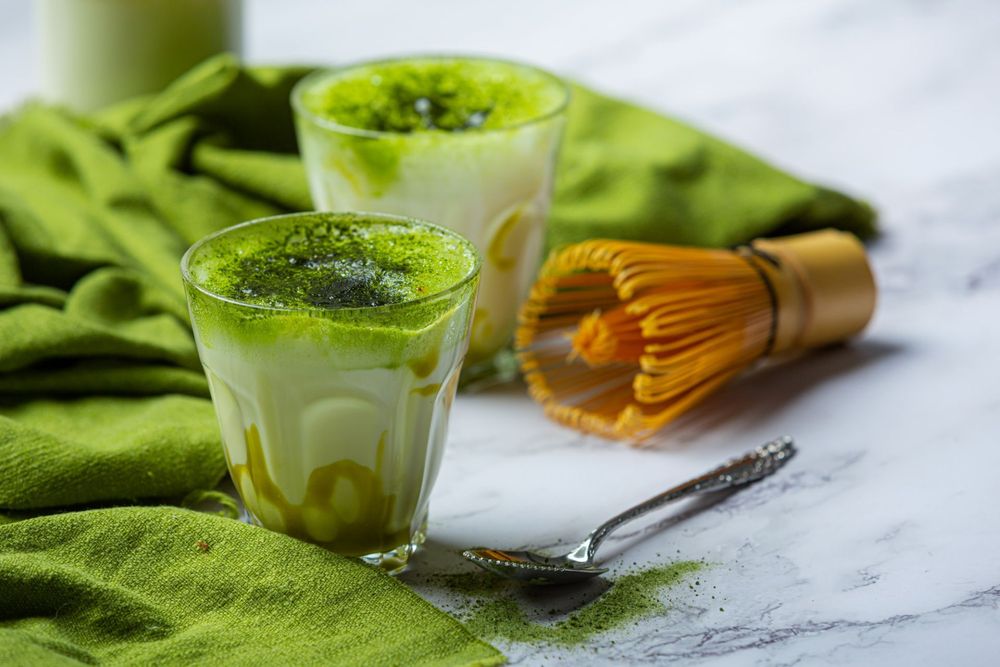
Adding matcha to smoothies, lattes, or baking is an easy way to enjoy its benefits without overhauling your entire diet. Small additions like this add up over time.
Matcha vs Coffee: Which Should You Choose?
This isn't really about eliminating coffee completely. Some people love the taste and ritual of their morning brew, and that's perfectly fine. The point is understanding what you're missing when coffee is your only option.
Matcha offers a unique combination of antioxidants, L-theanine focus, detox support, skin health, and metabolism benefits that coffee simply doesn't provide in the same way. Even swapping two or three cups a week can introduce noticeable changes in your energy levels and overall wellness.
Final Thoughts
Coffee has its place, but matcha brings something different to the table. From powerful antioxidants and calming L-theanine focus to detox support, skin health, and metabolism benefits, the case for matcha is hard to ignore.
If you're ready to experience these matcha health benefits for yourself, start small, stay consistent, and pay attention to how your body responds. To learn more about where this tradition comes from and how it's sourced responsibly, visit our about page and discover the story behind every cup.
Frequently Asked Questions
Does matcha have caffeine?
How is matcha different from regular green tea?
Can matcha replace coffee completely?
Is matcha good for weight loss?
What temperature should I use to make matcha?
Is Matcha and Beyond's matcha organic?