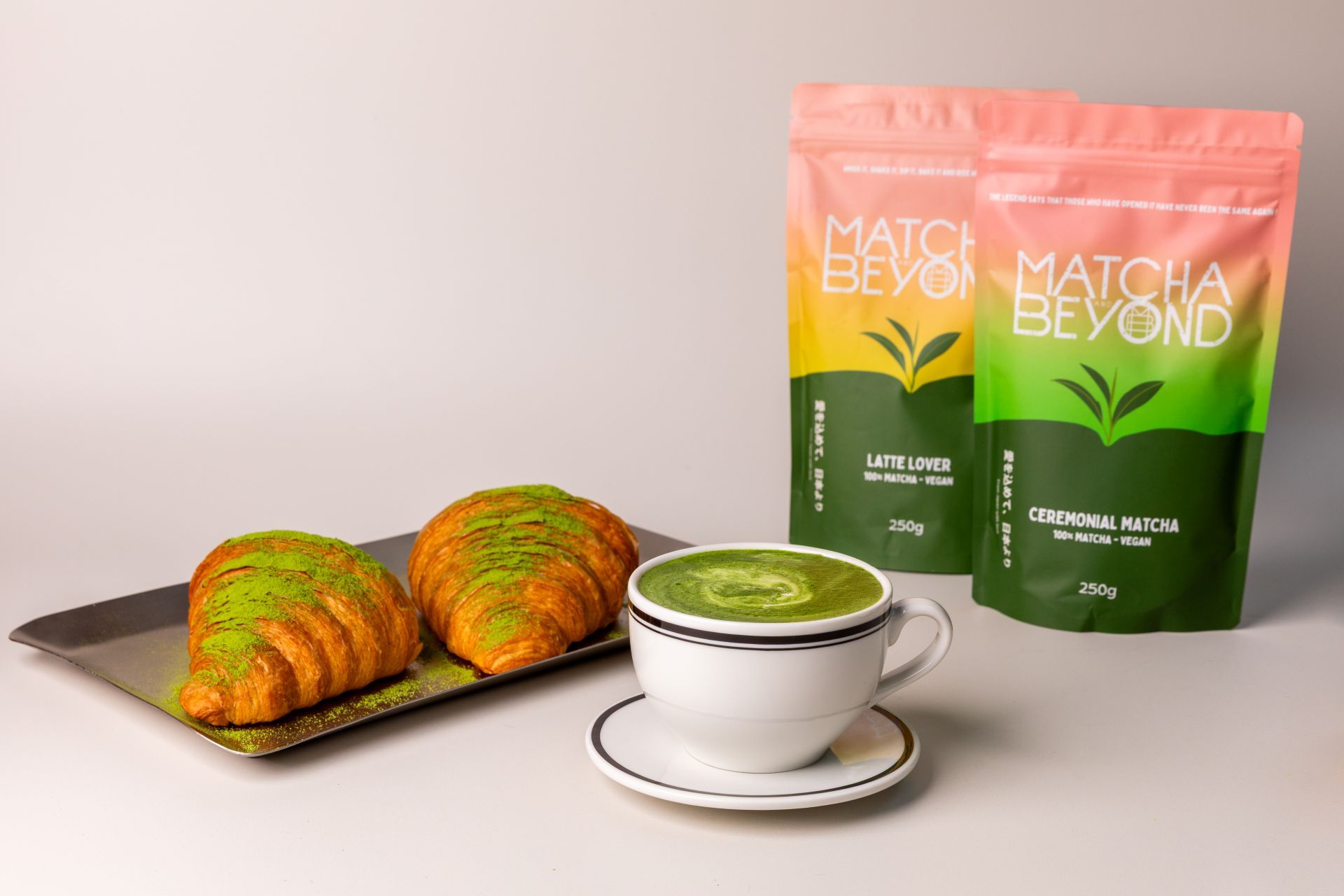
What Is Matcha Flavour? Understanding the Umami Taste of Ceremonial Grade
Understanding matcha flavour starts with understanding what ceremonial grade actually is. Made from the youngest, most tender shade-grown leaves and intended to be whisked with hot water alone, japanese ceremonial matcha is a completely different experience from the bolder, more bitter powders used in lattes and baking. If your only reference point for matcha flavour is a sweetened café latte, you haven't actually tasted what ceremonial grade is meant to deliver.
This guide breaks down what matcha flavour really means, why umami sits at the centre of a well-made ceremonial cup, where the grassy notes come from, and how ceremonial grade flavour differs from culinary grade in practice.
What Is Matcha Flavour, Really?
So, what is matcha flavour, in plain terms? It's a combination of three elements working together: a light natural sweetness, subtle grassy notes, and umami, the savoury depth that Japanese tea culture has prized for centuries. None of these elements dominates on its own in a well-made cup. Instead, they layer together to create something that doesn't map neatly onto the sweet, bitter, sour, or salty categories most people default to when describing taste.
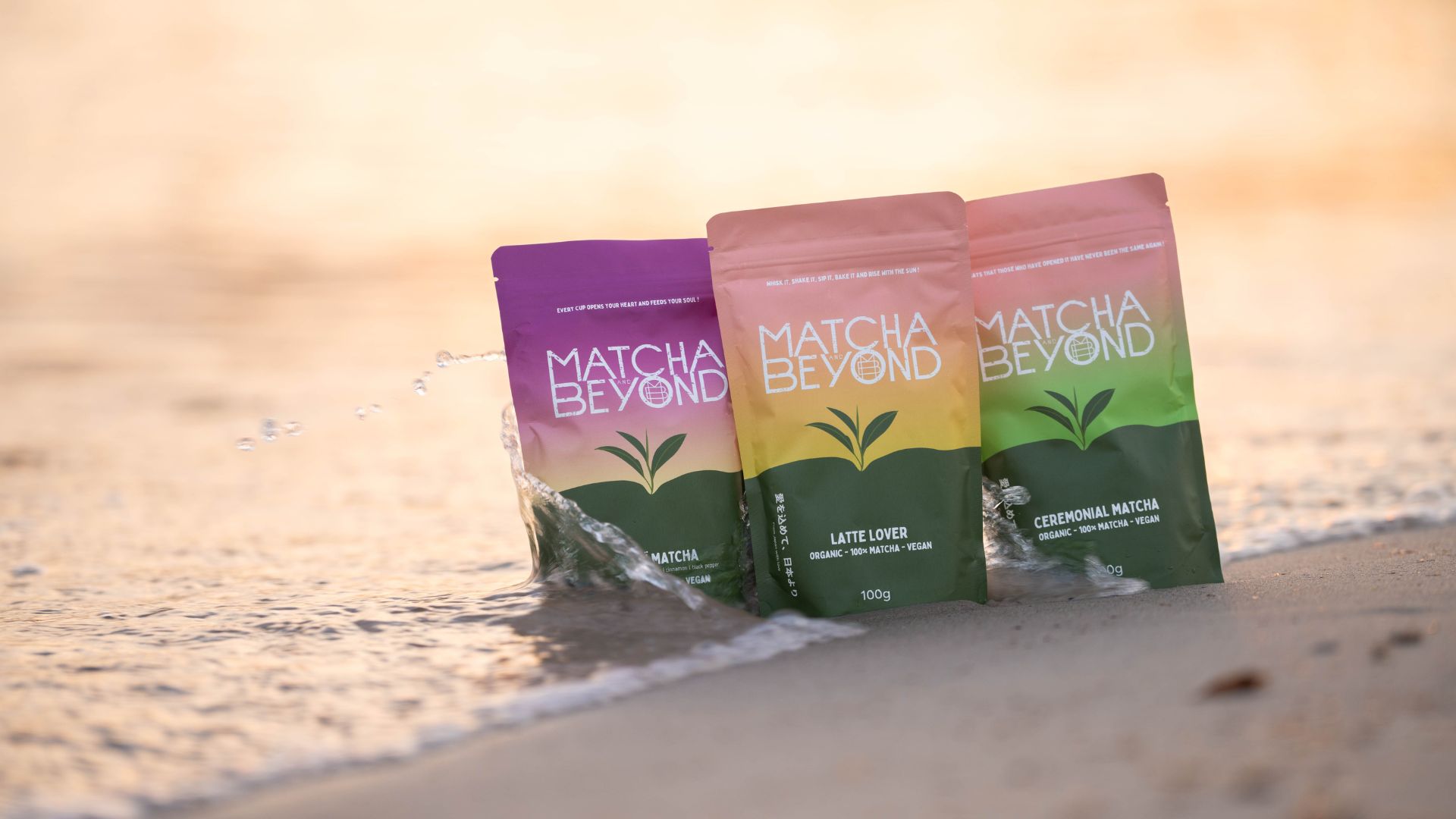
This is exactly why matcha flavour is hard to describe to someone who hasn't tried it. It isn't simply "bitter green tea," and it isn't simply "sweet," either. It sits in its own category, and ceremonial grade matcha is where that category is expressed most clearly, since it's made and prepared specifically to let those flavours come through undiluted by milk or sugar. This is the exact experience Matcha & Beyond sources its ceremonial grades to deliver.
Umami Taste: The Savoury Backbone of Ceremonial Matcha
Umami is often described as the "fifth taste," alongside sweet, sour, salty, and bitter, and it's the taste most responsible for matcha's reputation as something more complex than an ordinary cup of tea. It's the same savoury quality found in foods like mushrooms, seaweed, and aged cheese, a rounded, almost broth-like depth rather than a sharp or sugary flavour.
In matcha, umami comes largely from amino acids concentrated in the tea leaves during growing, particularly in leaves that have been shaded before harvest. The less direct sunlight a tea plant receives in its final growing weeks, the more of these amino acids it retains, which is a major part of why ceremonial grade, made from carefully shade-grown leaves, delivers a noticeably stronger umami taste than lower grades of tea.
This is also why umami taste is often the first thing people notice when they finally try a properly prepared ceremonial bowl after only ever having culinary grade in a latte. The savoury depth simply isn't as present when a stronger, more bitter powder is being diluted and sweetened for a recipe.
Where Do the Grassy Notes Come From?
Alongside umami, grassy notes are one of the defining features of matcha flavour, and they come directly from the fact that matcha is made from the whole tea leaf rather than steeped and discarded. Where a cup of steeped green tea only captures what dissolves out of the leaf during infusion, matcha is stone-ground into a fine powder and consumed in its entirety.
That whole-leaf character is what gives matcha its distinctive fresh, vegetal quality, often described as grassy, alongside occasional notes reminiscent of spinach or fresh-cut grass. In a balanced ceremonial cup, these grassy notes sit alongside the sweetness and umami rather than overpowering them, contributing to the layered matcha flavour rather than dominating it.
When grassy notes tip too far into bitterness, it's usually a sign of either a lower-quality leaf, matcha that's been stored too long, or simply water that was too hot during preparation. A properly grown, freshly stone-ground ceremonial matcha should taste green and vegetal without crossing into harshness.
Ceremonial vs Culinary Grade Flavour: Why They Taste So Different
The gap in ceremonial vs culinary grade flavour comes down to how the leaves were grown and processed. Ceremonial grade uses only the most tender young leaves, harvested with far more care, which preserves the natural sweetness and umami that makes it suitable for drinking with nothing but hot water.
Culinary grade, by contrast, is made from more mature leaves and processed with volume and boldness in mind rather than delicacy. Its stronger, more bitter matcha flavour is intentional, since it needs to hold its own once mixed with milk, sugar, or blended into a smoothie or baked good. Judging matcha flavour as a whole from a culinary grade latte is a bit like judging wine by a cooking-grade bottle meant for a sauce.
Our full breakdown of how grade and preparation shape matcha's taste goes further into how sieving, water temperature, and whisking technique also affect the final cup, alongside the difference grade alone makes.
How Matcha & Beyond Thinks About Matcha Flavour
At Matcha & Beyond, matcha is selected and tasted directly in organic tea gardens in Kagoshima and Uji, Japan, with each grade chosen specifically for how it will be used. That selection process exists because matcha flavour isn't one fixed thing, it's a spectrum shaped by leaf quality, shading, and processing, and getting ceremonial grade right means prioritising the leaves that will deliver the fullest umami and sweetness.
This is also why matcha sourced this way tends to taste noticeably different from mass-produced culinary powders that are grown and processed purely for volume rather than flavour. The extra care taken with shade-growing and hand-picking the most tender leaves is what allows a proper ceremonial cup to taste rounded and complex rather than simply "green."
How to Actually Taste Ceremonial Grade Matcha Properly
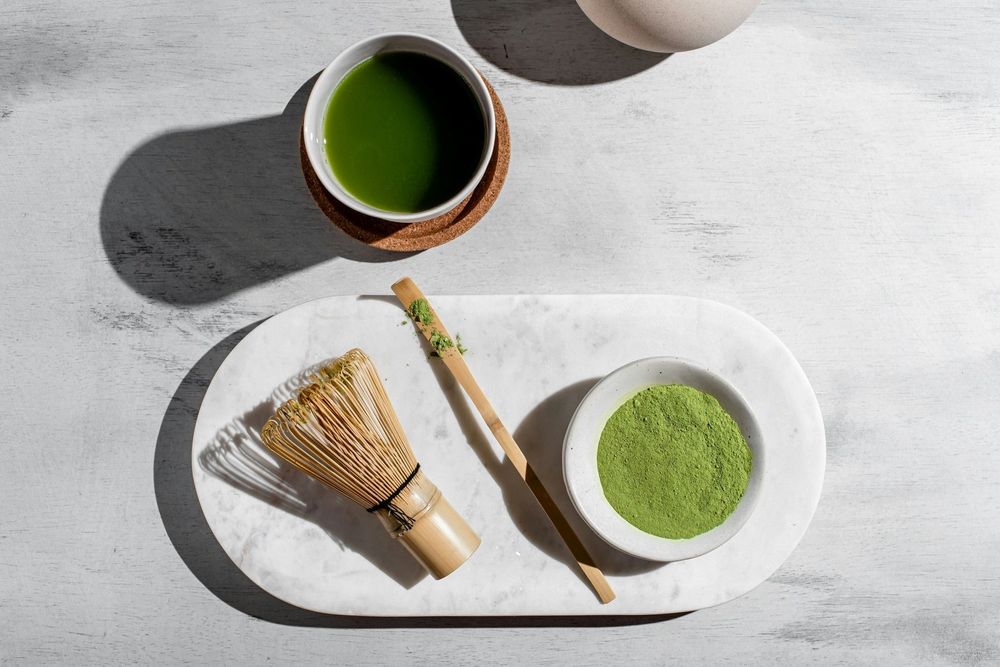
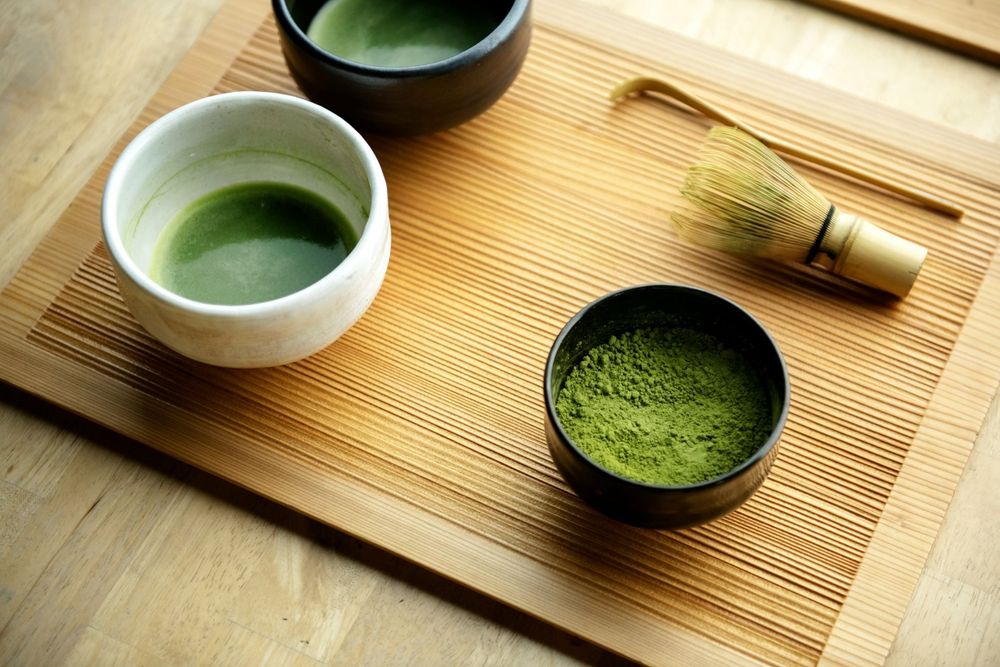
Even excellent ceremonial matcha can be let down by poor preparation, which changes matcha flavour more than most people expect. Sieving the powder before adding water removes clumps that would otherwise release bitterness unevenly. Water should sit around 75 to 80°C rather than boiling, since excess heat pulls out bitterness faster than it draws out sweetness and umami.
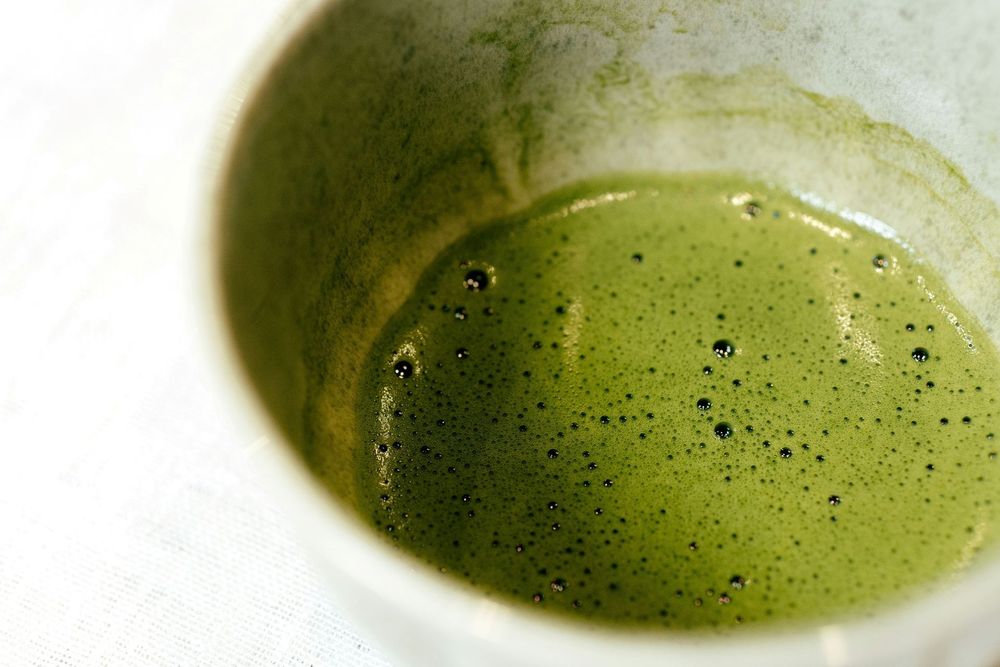
Whisking matters just as much. A brisk zig-zag motion for around fifteen seconds creates the fine, even froth that carries matcha's aroma and softens its texture, letting the umami and grassy notes come through clearly rather than sitting heavy and bitter on the surface. Skipping these steps is one of the most common reasons people assume matcha flavour is simply bitter, when in reality the cup was never given the chance to show its actual character.
Conclusion
Matcha flavour is far more layered than "grassy" or "bitter" alone suggests, built instead from a balance of umami, gentle sweetness, and fresh grassy notes that ceremonial grade is specifically designed to showcase. Understanding where that umami comes from, and how it differs from culinary grade, makes it much easier to know what to expect from your next cup. If you're a café or retailer interested in bringing that same ceremonial grade flavour to your own customers, take a look at our wholesale matcha options to see how it could fit into your menu.
Frequently Asked Questions
What is matcha flavour supposed to taste like?
Why does everyone describe matcha as bitter if it's supposed to be balanced?
What causes the umami taste in matcha specifically?
Are grassy notes a sign of good or bad matcha?
Does ceremonial vs culinary grade flavour really make that much difference?