Matcha Taste Guide - From Bitter Culinary Grade to Sweet Ceremonial Grade
It is a wide spectrum, shaped by where the tea leaves are grown, how finely they are stone-ground, and how carefully the powder is whisked into water. Understanding this matcha taste spectrum is the easiest way to stop guessing and start enjoying matcha the way it is meant to be enjoyed.
This matcha taste guide breaks down why culinary grade and ceremonial grade matcha taste so different, what causes bitterness in the cup, and how something as simple as your whisking technique can change matcha taste from harsh to smooth.
At the top end of the spectrum sits ceremonial grade matcha , made from the most tender, shade-grown leaves and prepared to be sipped with nothing but water. At the other end sits culinary grade matcha, a stronger, more robust powder built to stand up to milk, sugar, and baking. Neither one is "better" in an absolute sense. They are simply designed for different purposes, and that purpose changes the matcha taste you should expect in the cup.
What Does Matcha Taste Actually Depend On?
Matcha tea taste is built from three things working together: grassy sweetness, a light natural bitterness, and umami, the savoury depth that Japanese tea drinkers have prized for centuries. When these three elements are balanced, matcha taste is smooth, slightly sweet, and rounded. When the balance tips too far toward bitterness, the matcha taste turns harsh and flat instead of complex.
That balance starts in the tea garden, long before matcha taste ever reaches your cup. Matcha is made from manually picked, shade-grown leaves that are steamed, air-dried, de-stemmed, de-veined, and then stone-ground into a fine powder. This slow, careful process protects the delicate compounds responsible for matcha's natural sweetness and umami. It also means that matcha tea taste is directly tied to how the leaves were grown and processed, not just the brand on the tin.
Two cups made from the exact same tin of matcha can still taste noticeably different, which is why matcha taste is really the result of three variables layered together: the quality of the leaf, the grade it was processed into, and the way it is prepared in the cup.
Culinary Grade Matcha Taste: Bold, Bitter, and Built for Blending
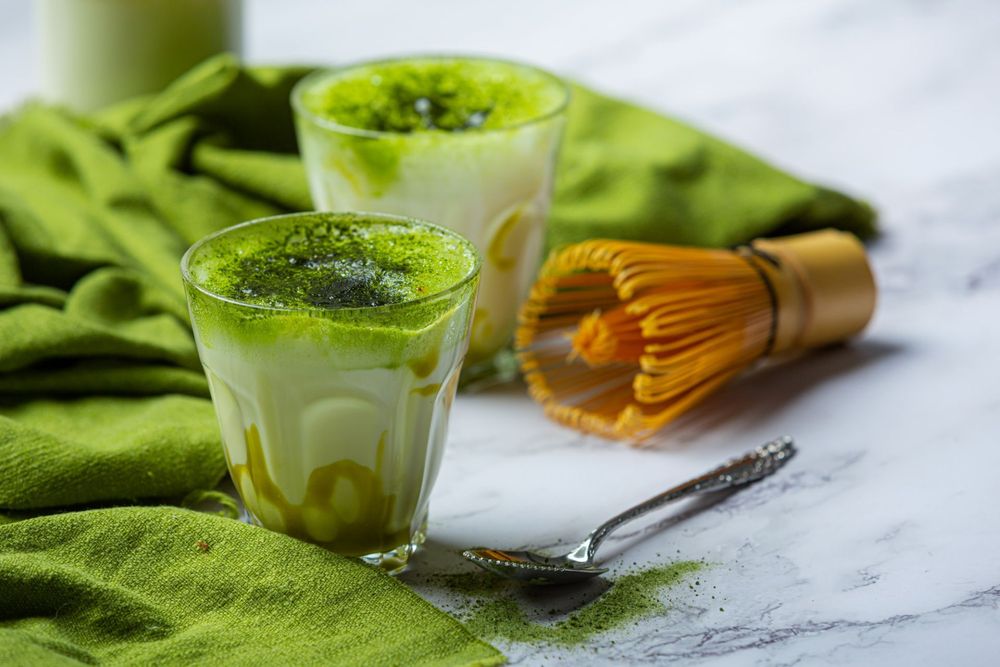
Culinary grade matcha taste tends to be more bitter and more astringent on its own. It is made to be mixed with milk, plant milk, sugar, or other ingredients that soften and balance out that bitterness, which is exactly why culinary grade matcha taste works so well in lattes, smoothies, and baking. On its own with just water, culinary grade matcha taste can be harsh, but once it is whisked into a latte or folded into a batter, that same bitterness becomes a pleasant, grounding note rather than an overpowering one.
This is also the grade most people meet first, often without realising it, in a matcha latte from a café. If that first cup tasted more bitter than sweet, that matcha taste was very likely culinary grade rather than ceremonial grade, and it was likely never meant to be sipped neat in the first place. Judging matcha taste as a whole from a single culinary grade latte is a bit like judging coffee only by instant granules; it is one style, not the full picture.
Ceremonial Grade Matcha Taste: Smooth, Sweet, and Umami-Rich
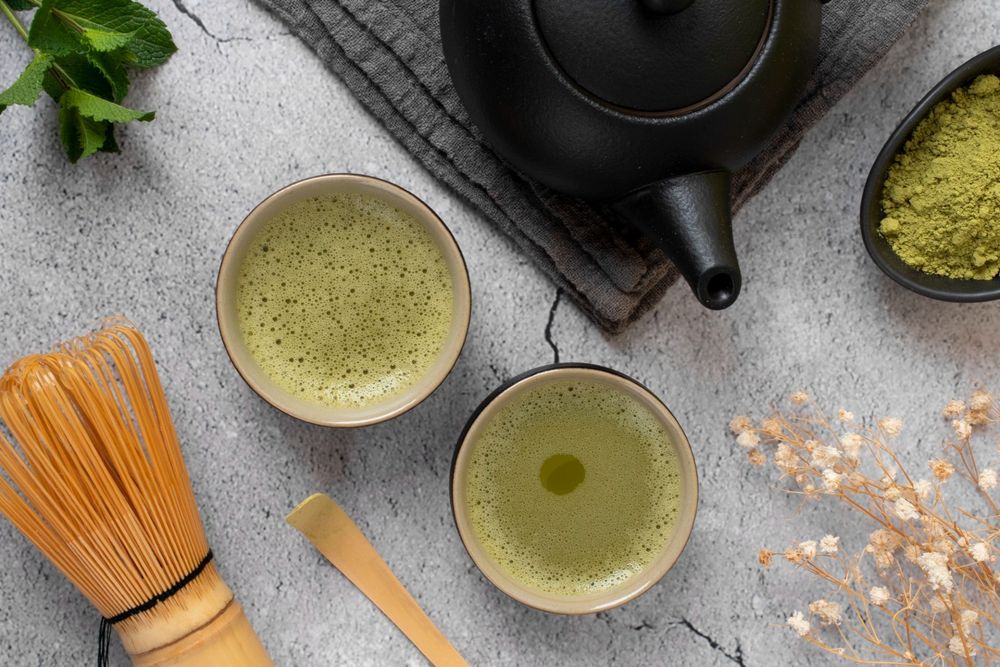
Ceremonial grade matcha taste is the opposite experience to culinary grade. Ceremonial matcha comes from the youngest, most tender leaves, harvested with far more care, and it is meant to be whisked with hot water alone and drunk exactly as is, with no milk or sweetener needed. The matcha taste here leans sweet and grassy, with a creamy texture and a lingering umami finish rather than a bitter one.
This is the matcha taste brought to life by ceremonial matcha products such as those found in the Ceremonial collection. Because the leaves used are more delicate and are stone-ground with more precision, the resulting matcha taste is smoother and rounder, letting the natural sweetness and umami come through clearly instead of being masked by bitterness. It is also why ceremonial grade is the version most people mean when they describe matcha tea taste as delicate rather than harsh.
Why Does Matcha Taste Bitter? It's Not Always the Grade
Grade explains a lot about matcha taste, but it is not the only factor behind bitterness. Even a high-quality ceremonial matcha can turn bitter in the cup if it is not prepared properly. Clumpy powder that has not been sieved will release its bitter compounds unevenly, leaving pockets of harshness in every sip and throwing off the matcha taste you were expecting. Water that is too hot has the same effect on matcha taste, pulling out bitterness faster than it draws out sweetness. This is why matcha should be whisked with hot water at around 75 to 80°C, not boiling water straight off the stove.
A good quality matcha, made of 100% tea leaves without anti-clumping agents, will always have more potential for a smooth, balanced matcha taste than a lower-quality powder. But grade alone cannot guarantee a great cup, and bitterness can still creep into an otherwise good matcha taste if the basics are skipped. Preparation plays just as important a role in matcha taste as the grade printed on the tin.
How Whisking Technique Affects Matcha Taste
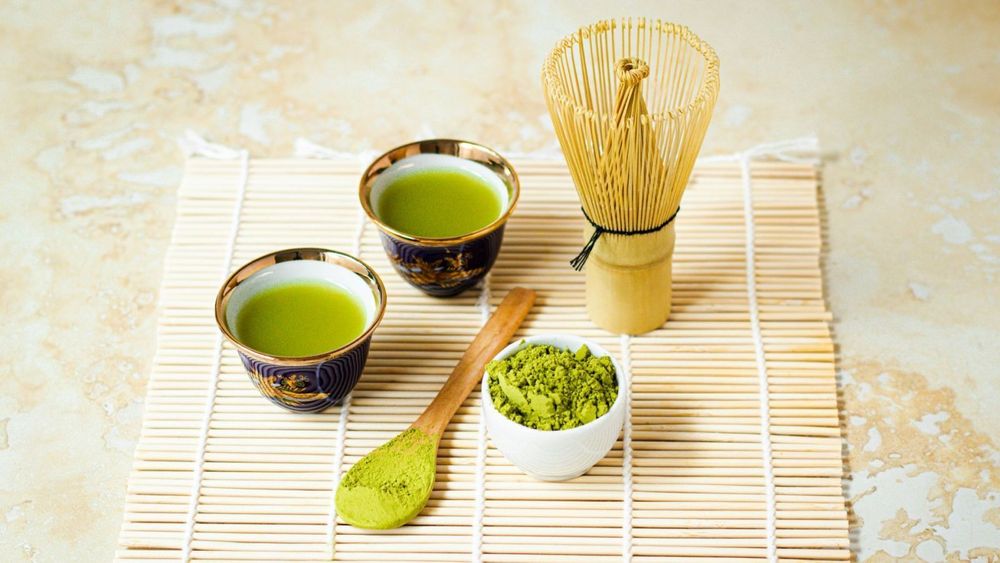
Because matcha is a suspension rather than an infusion, the powder does not dissolve in water the way a tea bag steeps. It has to be whisked, and how you whisk genuinely changes matcha taste in the cup. A bamboo whisk, or chasen, worked back and forth in a brisk zig-zag or "M" motion for around fifteen seconds creates the fine, even froth that carries matcha's aroma and softens its texture. Skip this step, or whisk half-heartedly, and the powder settles unevenly, leaving a gritty texture and a more concentrated, more bitter matcha taste with every sip.
Sieving before whisking matters just as much to matcha taste. Passing your matcha through a fine mesh sieve breaks up clumps before water ever touches the powder, so the whisk can properly aerate every particle. Skip the sieve, and you are far more likely to end up with a bitter, clumpy matcha taste, no matter how good the grade actually is. Together, sieving and whisking are the two preparation steps that most directly shape whether the final matcha taste leans smooth and sweet or sharp and bitter.
Even the motion of the whisk plays a role. A gentle stir simply moves the powder around without breaking it down, which tends to leave a heavier, more bitter matcha taste sitting on the surface. A fast, light zig-zag motion, by contrast, works air into the mixture and spreads the powder evenly through the water, giving you a rounder, frothier matcha taste with far less harshness.
If you want a deeper breakdown of the flavours involved, from the grassy notes to the umami finish, this guide on what does matcha taste like walks through the full flavour profile in more detail.
Matcha Tea Taste vs Grade: A Quick Comparison
Putting grade and preparation side by side makes the matcha taste picture clearer. Ceremonial grade, whisked properly with water alone, delivers the sweetest and most umami-forward matcha taste. Culinary grade, blended into milk or a recipe, delivers a bolder, more bitter base matcha taste that is balanced out by whatever it is mixed with. Neither grade is wrong. The right choice simply depends on how you plan to drink or use your matcha, and on the matcha taste you are hoping to end up with.
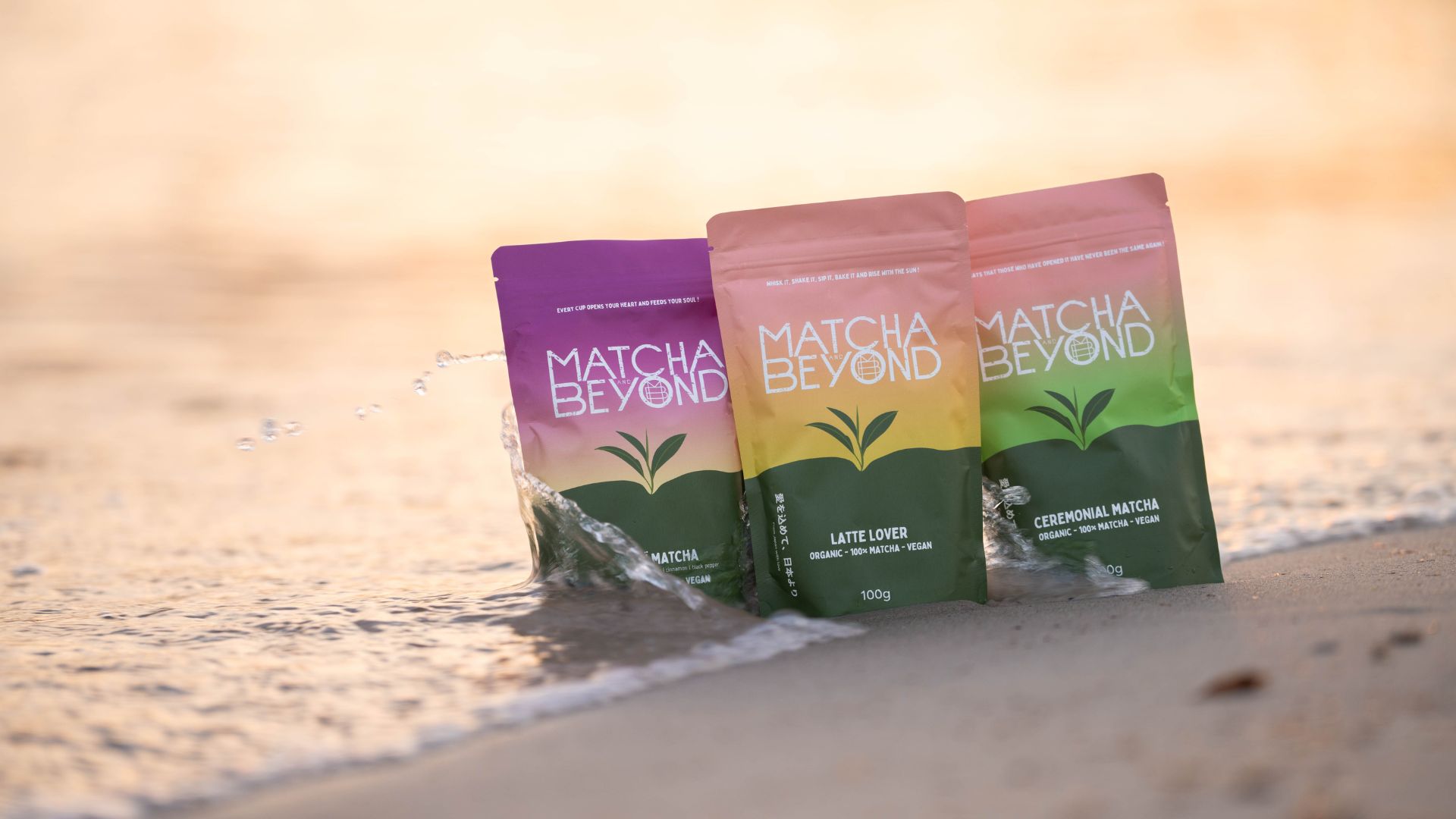
At Matcha & Beyond , matcha is selected and tasted directly in organic tea gardens in Kagoshima and Uji, Japan, with each grade chosen for a specific way of enjoying it, whether that is a pure ceremonial bowl, a creamy latte, or a batch of baking. Knowing which grade you are working with, and how to prepare it, takes the guesswork out of matcha tea taste entirely, so every cup delivers the matcha taste you actually intended.
Getting the Best Matcha Taste at Home
A few habits make a noticeable difference to matcha taste, regardless of which grade you are using:
- Always sieve your matcha before adding water, to prevent clumps that cause an uneven, bitter matcha taste.
- Use water heated to around 75 to 80°C rather than boiling water, since excess heat pulls extra bitterness into the matcha taste.
- Whisk briskly in a zig-zag or "M" motion for about fifteen seconds to create a smooth, even froth and a rounder matcha taste.
- Match the grade to the use: ceremonial for a sweet, water-only matcha taste, culinary for lattes, smoothies, and baking.
- Store matcha away from light, heat, and air, since freshness has a direct impact on how sweet or bitter the matcha taste turns out.
None of these steps are complicated, but together they explain why two people can prepare the same matcha powder and end up with a completely different matcha taste in the cup.
Final Thoughts on Matcha Taste
Matcha taste sits on a spectrum from bold and bitter to smooth and sweet, and where a cup lands depends on grade, freshness, and how carefully it is sieved and whisked. Culinary grade matcha brings a bolder, more bitter matcha taste that shines in lattes and recipes, while ceremonial grade matcha offers a naturally sweet, umami-rich matcha taste meant to be enjoyed on its own. Once you understand how grade and technique work together, matcha tea taste stops feeling unpredictable and starts feeling like something you can consistently get right, cup after cup.
Ready to explore the difference for yourself? Shop the full matcha range and find the grade that matches how you actually plan to enjoy your matcha.
Frequently Asked Questions
What does matcha taste like overall?
Why does ceremonial grade matcha taste sweeter than culinary grade?
Why does culinary grade matcha taste more bitter?
Can bad whisking make matcha taste bitter, even with good quality matcha?
Does matcha tea taste the same hot and iced?
Which grade should I choose if I am new to matcha taste?