Is Matcha Caffeinated? Everything to Know Before You Switch From Coffee
The real question most people want answered is not just whether matcha has caffeine, but how it compares to coffee, and how it will make you feel. That is exactly what is matcha caffeinated means in practice: a real dose of caffeine, just delivered in a different way than a cup of coffee.
This guide breaks down how much caffeine is in matcha, why it tends to feel smoother than coffee, and what to know if you are sensitive to caffeine or brand new to matcha.
Key takeaways
- Matcha contains real caffeine, but it tends to feel smoother and steadier than coffee.
- A cup of matcha has less caffeine than a cup of coffee, but more than a cup of steeped green tea.
- L-theanine, an amino acid found in matcha, changes how the caffeine is released into your body.
- Beginners and caffeine-sensitive drinkers can still enjoy matcha by starting with a smaller amount.
How Much Caffeine Is Actually in Matcha?
A cup of matcha contains around 70mg of caffeine. For comparison, a cup of coffee has about 95mg, and a cup of steeped green tea has around 35mg. Matcha sits right in the middle: more caffeine than a regular cup of tea, but less than coffee.
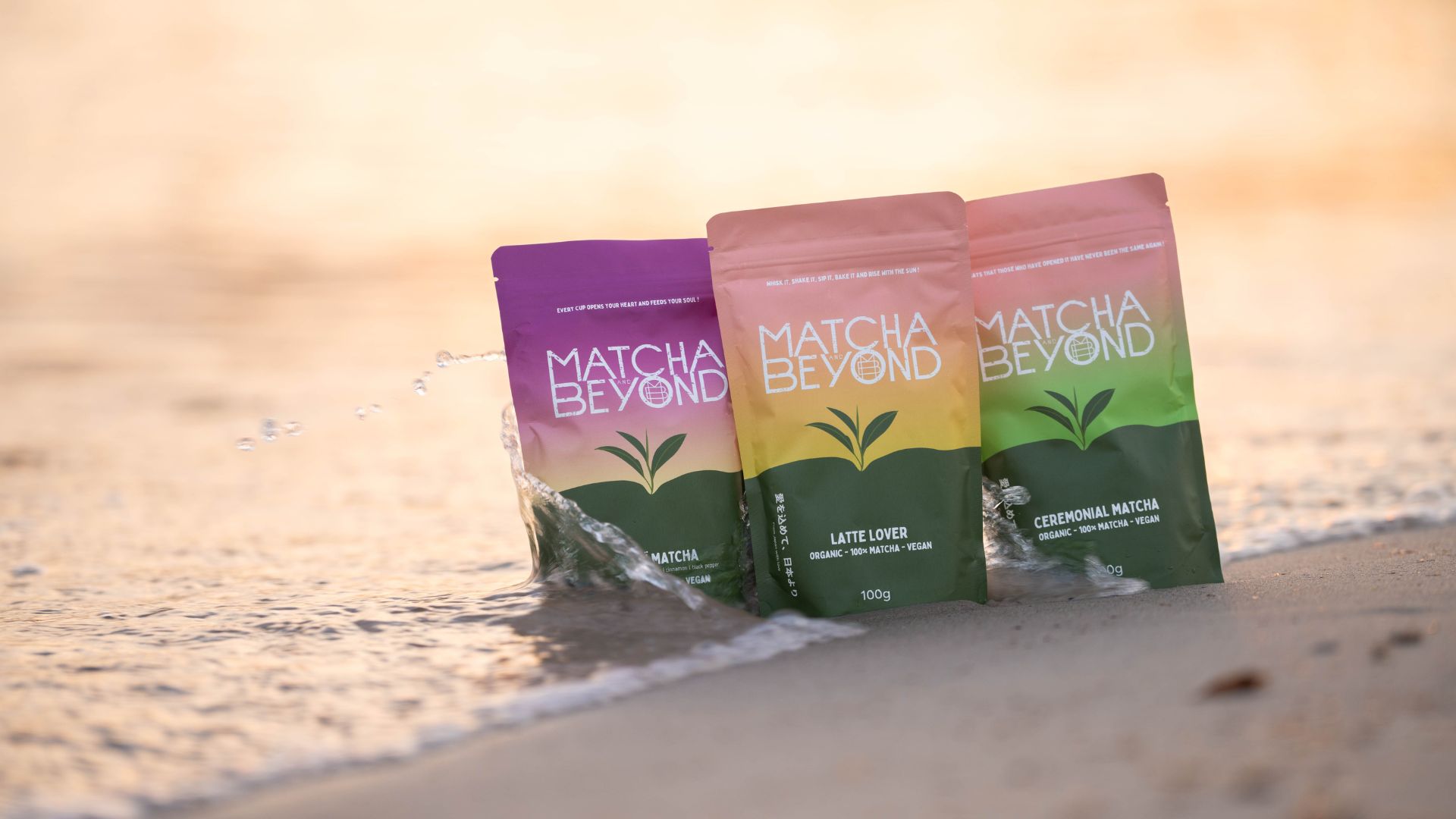
The reason matcha has more caffeine than steeped green tea comes down to how it is made. Instead of steeping and removing the leaves, matcha is ground into a fine powder and whisked directly into your water. At Matcha & Beyond , our matcha is stone-ground from the most tender, shade-grown leaves, so you are drinking the entire leaf, not just what steeps out of it. That means you get more of everything the leaf contains, caffeine included.
This is one reason matcha works well for people who want to cut back on coffee without giving up caffeine completely. You still get a real energy boost, just a smaller one than a full cup of coffee.
Why Matcha Caffeine Feels Different From Coffee
Matcha contains an amino acid called L-theanine, and this is what sets its caffeine apart from coffee. L-theanine changes how your body releases and absorbs the caffeine in matcha, spreading it out instead of hitting you all at once.
This slower release is why many people describe matcha as a steadier, calmer form of energy. Instead of a quick spike followed by a crash, matcha tends to offer a more even boost that can last several hours. Many drinkers switch from coffee to matcha specifically to avoid the jittery feeling that comes with a strong, fast dose of caffeine.
It is worth noting that matcha still contains real caffeine, so it is not a stimulant-free choice. The difference is in how that caffeine behaves in your body, not in whether it is present.
What Matcha's Caffeine Does for Focus
Matcha's caffeine is not just about staying awake. Paired with L-theanine, it has been shown to support attention and memory, which is part of why matcha has become a popular morning ritual for people who want steady focus rather than a quick jolt. This combination is often described as calm alertness, since you get the mental lift of caffeine without the scattered feeling that can come with a strong coffee.
This makes matcha a natural fit for the middle of a workday, not just first thing in the morning. Because the caffeine releases gradually, many people find a cup of matcha in the early afternoon helps them push through a slump without the late-day jitters a second or third coffee can bring.
Caffeine Sensitivity: What to Know Before You Switch
If you already know you are sensitive to caffeine, matcha is worth trying, but it still deserves a bit of caution. Since matcha contains real caffeine, even in a smaller dose than coffee, it can still affect sleep, heart rate, or anxiety in people who react strongly to stimulants.
The smartest way to test your own sensitivity is to start small. Try a half serving of matcha earlier in the day, rather than a full cup right before bed. This gives you a clear sense of how your body responds before you build matcha into a daily routine.
Timing matters just as much as amount. Even though matcha's caffeine releases more slowly than coffee's, it is still active in your system for hours. If you are sensitive to caffeine, drinking matcha in the morning or early afternoon is a safer choice than drinking it in the evening.
Matcha for Beginners: How to Start Without Overdoing It
Matcha for beginners does not need to be complicated. Start with a smaller amount of powder than a recipe calls for, and adjust from there once you know how your body reacts. This is especially useful advice if you are coming straight from a strong coffee habit and want to ease into matcha rather than switch overnight.
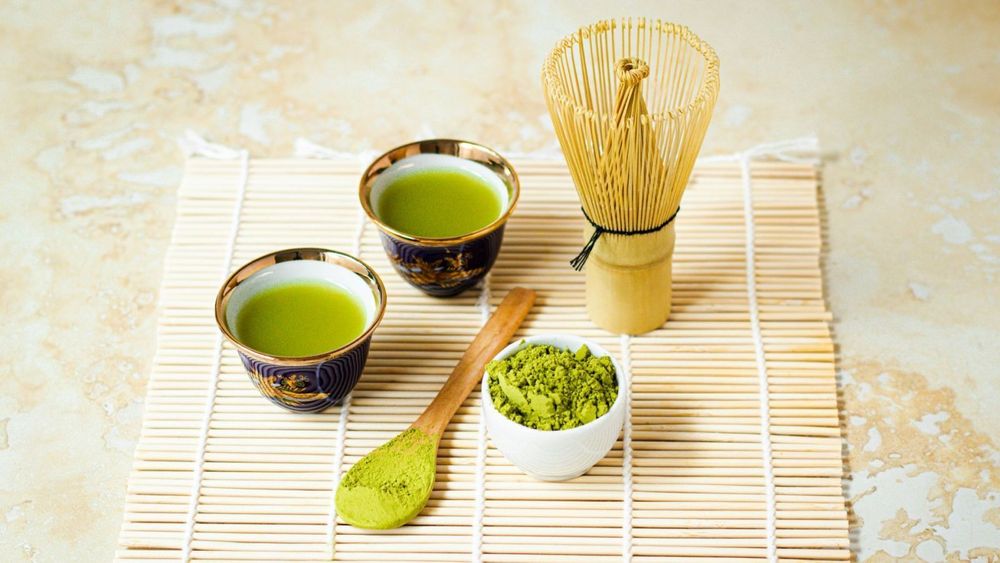
Preparation matters too. Matcha is a suspension, not something that dissolves on its own, so it needs to be whisked. Sieve your matcha first to avoid clumps, then whisk it into hot water, around 80°C, using a back-and-forth motion for about 15 seconds. This simple step makes a real difference in both taste and texture.
Grade matters when you are just starting out too. Ceremonial grade matcha, made from the youngest and most tender leaves, tends to have a smoother, less bitter flavor than lower grades, which makes it easier to enjoy while you are still adjusting to the taste and the caffeine. Starting with a beginner-friendly grade removes one more variable while you figure out how matcha fits into your routine.
Once you are comfortable with a basic cup, it becomes easy to branch out. If you want a fun way to try matcha beyond a simple morning cup, our Matcha Froyo Swirl Bark recipe is a great next step, especially if you enjoy matcha as more than just a drink.
What About Decaf Matcha?
Decaf matcha does exist on the market for people who want the flavor and ritual of matcha without any caffeine at all. It is worth knowing this option exists, especially if you are extremely sensitive to caffeine or want a version to enjoy later in the day. If you fall into that group, it is worth searching specifically for decaf matcha rather than assuming any matcha will work, since the caffeine content varies a lot between grades and processing methods.
That said, traditional ceremonial-grade matcha, made from the whole tea leaf, naturally contains caffeine as part of its makeup. Our matcha is selected and sourced from organic tea gardens in Kagoshima and Uji, Japan, for its flavor and quality, which means it carries the natural caffeine content that comes with real, whole-leaf matcha.
Caffeine at a Glance
- Coffee: about 95mg of caffeine per cup
- Matcha: about 70mg of caffeine per cup
- Steeped green tea: about 35mg of caffeine per cup
Final Thoughts on Matcha and Caffeine
So, is matcha caffeinated? Yes, but in a way that tends to feel steadier and easier on the body than coffee. With around 70mg of caffeine per cup and the calming effect of L-theanine, matcha offers a real energy boost without the sharp highs and lows many coffee drinkers are trying to move away from.
If you are ready to make the switch, explore our full matcha range and find the grade that fits how you plan to enjoy it, whether that is a simple daily cup or your first step into a full matcha routine.
Frequently Asked Questions
Is matcha caffeinated more or less than coffee?
Does matcha caffeine feel different from coffee caffeine?
Is matcha safe for someone with caffeine sensitivity?