Is Matcha Bitter? What Matcha Really Tastes Like and Why
If you'd like a deeper breakdown of the flavour notes we cover here, our matcha flavour article goes into more detail on the tasting side of things. For now, let's clear up exactly what does matcha tea taste like, why bitterness happens, and how to avoid it.
Why People Assume Matcha Is Bitter
Bitterness has become matcha's unfair reputation, mostly because so many people's first experience is with a rushed café version or a low-grade powder. When matcha is made with lesser quality leaves, or whisked incorrectly, it can turn out sharp and unpleasant. That one bad cup is often enough to put someone off for good.
But that experience isn't representative of proper matcha flavour. Once you understand what does matcha taste like when it's made correctly, it becomes much easier to see why so many people fall in love with it.
There's also a fair bit of confusion between matcha and other green teas, which doesn't help. Steeped green tea can taste quite grassy and astringent on its own, so people sometimes assume matcha, being a stronger and more concentrated form, must taste even sharper. In reality, the opposite tends to be true when matcha is made well, since the sweetness and umami notes are far more pronounced than in a standard teabag.
So, What Does Matcha Taste Like?
Matcha taste is genuinely hard to compare to anything else. The dominant notes are grassy and slightly sweet, with a smooth, almost creamy texture, particularly once milk or water is whisked in. There's also a gentle savoury depth running underneath the sweetness, which is where matcha really sets itself apart from other teas.
That savoury note is called umami, and it's one of the defining features of proper matcha flavour. Umami is the Japanese term for a rounded, mouth-filling taste, and in matcha it develops through the way the tea plants are shaded before harvest. This shading process reduces bitterness naturally and builds up the sweetness and depth that high-quality matcha is known for.
Matcha tea taste can also shift depending on where the leaves are grown and how they're processed. Some batches lean more towards nutty and earthy, while others taste brighter and greener. This range is part of what makes matcha such an interesting tea to explore, rather than a single, fixed flavour.
Terroir plays a bigger role than most people expect. Leaves grown in regions with nutrient-rich volcanic soil, for example, often produce a rounder, more delicate taste, while other growing conditions bring out slightly different notes. This is one of the reasons two matcha powders from different farms can taste quite distinct from one another, even though both are technically the same tea.
Matcha Latte Taste: How Milk Changes Things
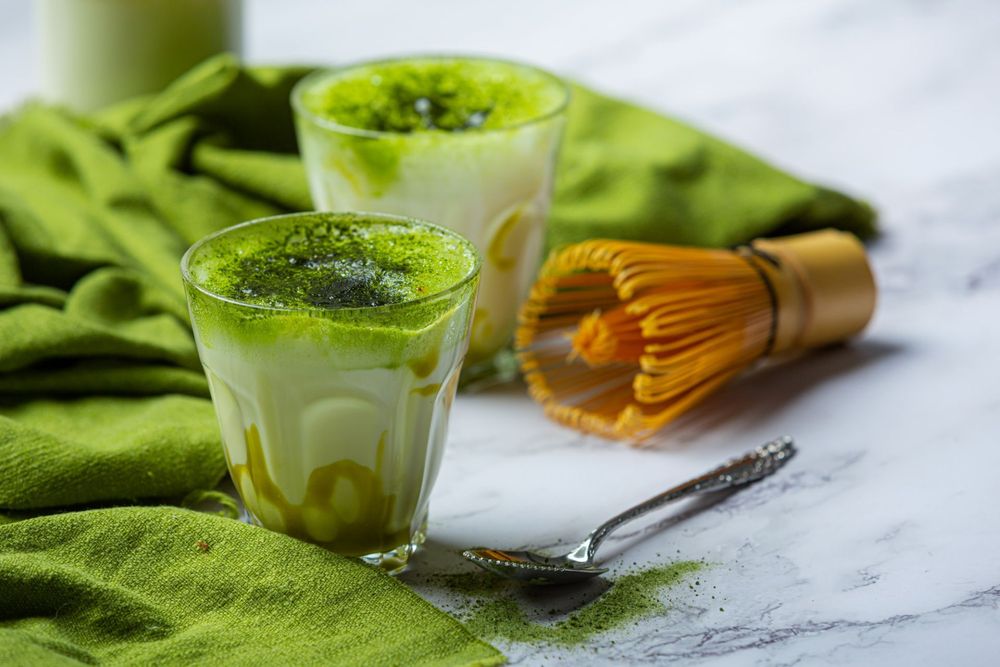
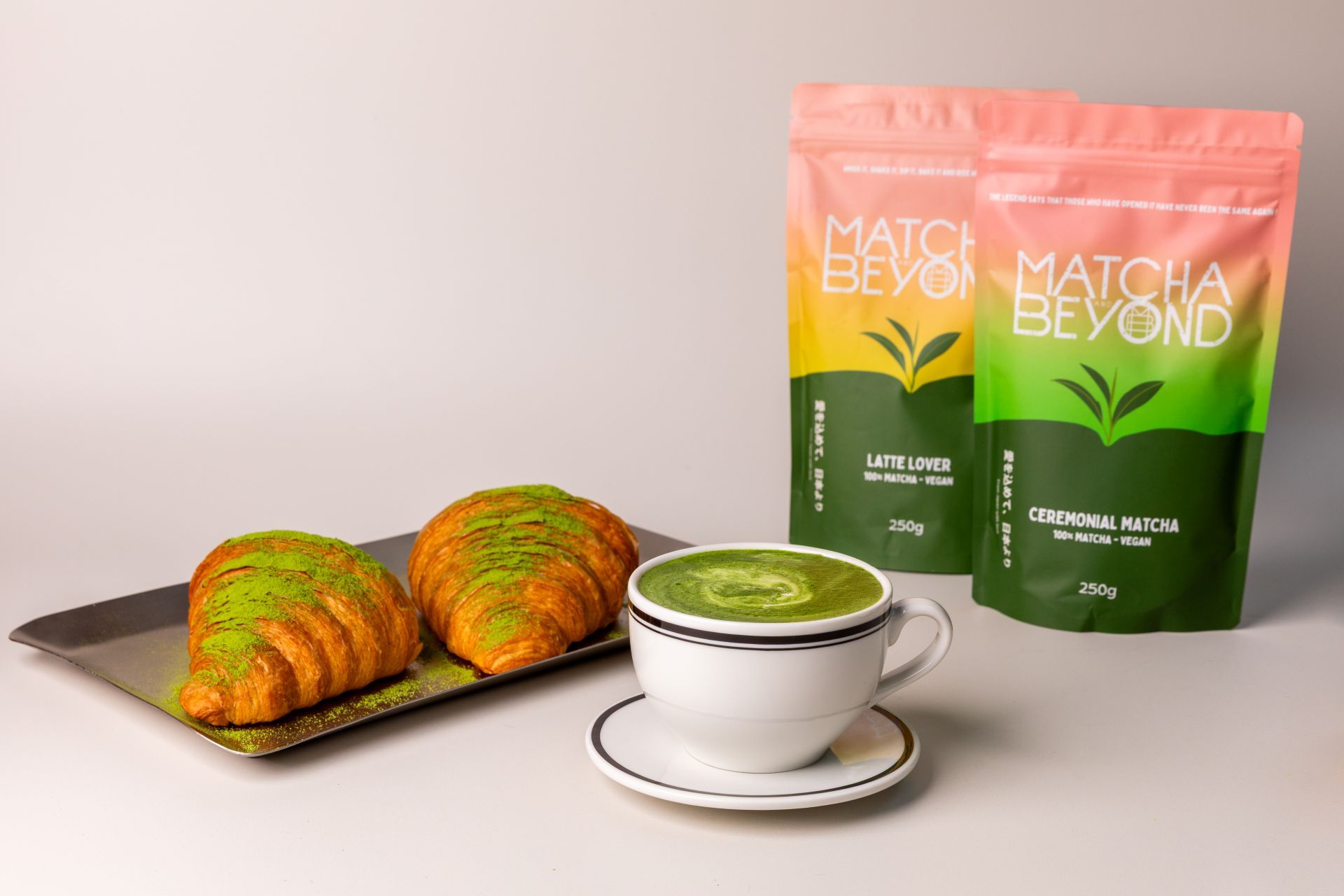
A matcha latte taste is noticeably different from a traditional bowl of whisked matcha and water. Adding milk, whether dairy or a plant-based alternative, softens the grassy edge and brings out more of the natural sweetness and creaminess. This is often the easiest entry point for coffee drinkers who are trying matcha for the first time.
Oat and almond milk in particular tend to complement matcha flavour well, adding a slightly nutty note that pairs nicely with the umami base. If you're new to matcha and unsure whether you'll enjoy the more traditional preparation, starting with a latte is a gentle, approachable way in.
Hot or Iced: Does Matcha Taste Different?
Matcha holds its flavour well whether it's served hot or cold. A hot cup tends to feel a little more intense, with the grassy and umami notes coming through more strongly. Iced matcha, on the other hand, feels lighter and more refreshing, which makes it a popular choice during warmer months.
Neither version is objectively better; it really comes down to personal preference and the occasion. What matters more than temperature is the quality of the matcha and how carefully it's prepared.
Some people even find that switching between the two helps them appreciate different sides of matcha's flavour. A hot cup on a slow morning highlights the umami depth, while an iced version on a warm afternoon leans into the natural sweetness. Trying both is a good way to work out which style suits your palate best.
Why Some Matcha Actually Does Taste Bitter
If you've had a genuinely bitter cup, there are usually a handful of culprits behind it:
Lower quality leaves. Cheaper matcha is often made from later harvests or lower grades of leaf, which naturally carry more bitterness and less sweetness.
Anti-clumping agents. Some mass-produced matcha includes additives to stop the powder clumping. These can affect texture and leave an unpleasant aftertaste.
Water that's too hot. Boiling water scorches matcha and pulls out harsh, bitter compounds. This is one of the most common mistakes people make at home.
Clumpy, unsieved powder. If matcha isn't sieved before whisking, small clumps can sit unevenly in the cup, releasing concentrated bitterness in certain sips.
None of these issues are down to matcha as a tea. They're almost always down to the product or the method, which is good news, because they're easy to fix.
How to Avoid a Bitter Cup
Getting a smooth, well-balanced matcha flavour at home isn't complicated once you know the basics. Start by sieving your matcha into the bowl or cup before adding any liquid, as this removes clumps that would otherwise cause patches of bitterness. Use hot water at around 80°C rather than boiling, since matcha is sensitive to heat and scorches easily.
Whisk briskly in a zig-zag or "M" motion rather than stirring, which helps create a light froth and brings out the tea's natural sweetness. If you're using a lower grade matcha for lattes or baking, that's completely fine, but for drinking matcha on its own, a higher quality leaf makes a real difference to taste.
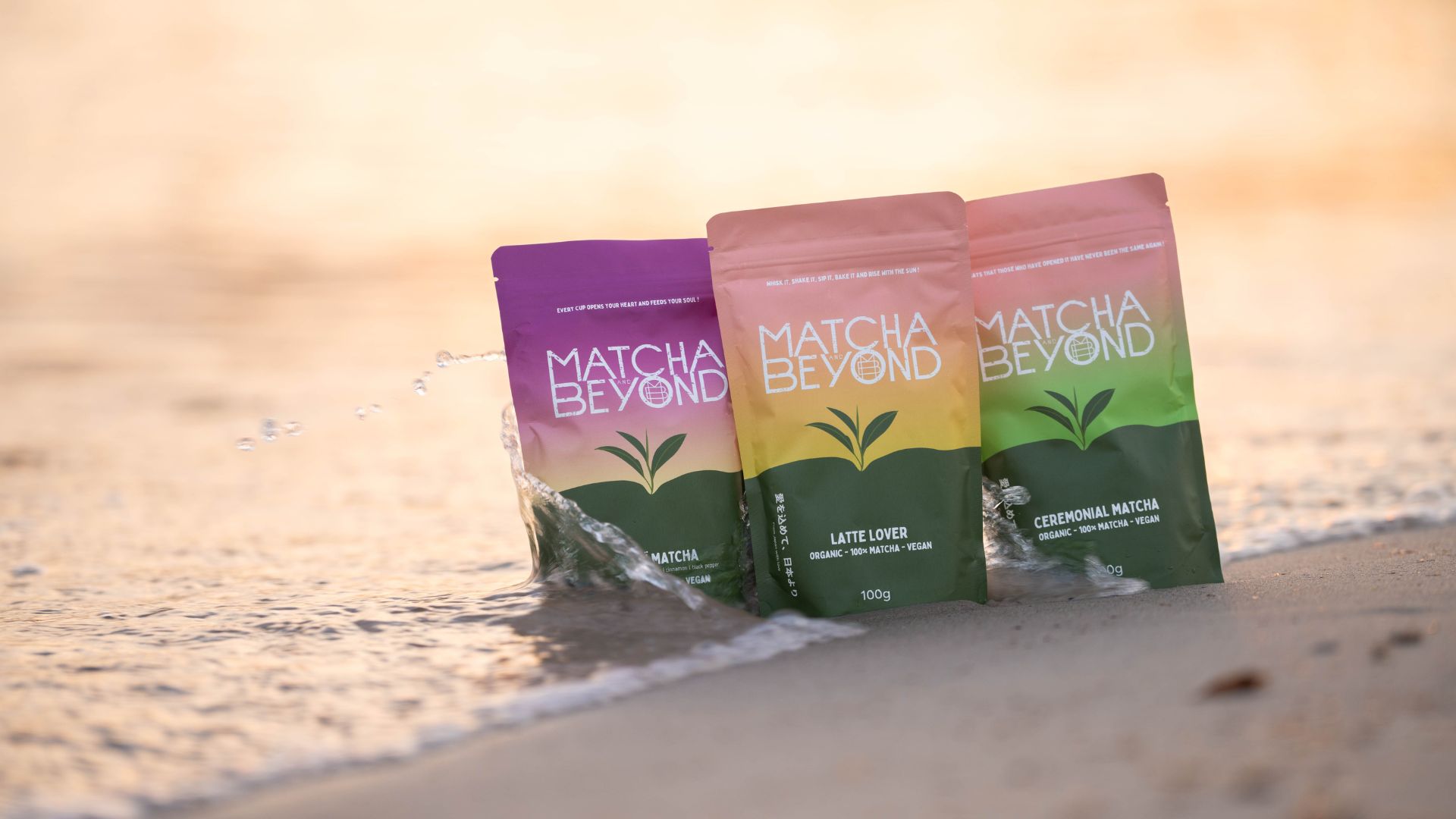
At Matcha And Beyond , matcha is stone-ground from shade-grown leaves without any anti-clumping agents, which is exactly why proper preparation makes such a noticeable difference to the final cup.
Matcha Flavour by Grade: Ceremonial vs Everyday
Not all matcha is created equal, and grade plays a big role in flavour. Ceremonial grade matcha is made from the youngest, most tender leaves, giving it a smoother, sweeter, and more umami-rich taste with far less bitterness. It's designed to be enjoyed on its own with just water, which is where its delicate flavour really shines.
Everyday or culinary grade matcha has a slightly stronger, more robust flavour, which works well in lattes, smoothies, and baking where other ingredients are involved. If you'd like to experience the smoother end of the spectrum, it's worth trying a proper ceremonial grade matcha rather than a blended or culinary powder.
The Bottom Line on Matcha Flavour
Matcha isn't naturally bitter. When it's made from good quality leaves and prepared with a bit of care, the flavour is grassy, gently sweet, and rounded off with that distinctive umami finish that sets it apart from every other tea. If your past experience with matcha wasn't great, it's worth giving it another go with a better quality powder and a proper whisking technique.
To learn more about how matcha is sourced and selected before it reaches your cup, take a look at our about page , where we share the story behind every batch.
Frequently Asked Questions
What does matcha taste like compared to green tea?
Why does my matcha taste bitter?
Does matcha taste like coffee?
What does a matcha latte taste like?
Is ceremonial grade matcha less bitter?