Matcha Private Label - How to Launch Your Own Brand
As global interest in premium tea, functional drinks, and plant-based lifestyles continues to rise, entrepreneurs are increasingly exploring matcha as a scalable and profitable product category.
Consumers today are not simply looking for tea. They want high-quality ingredients, authentic sourcing, attractive branding, and wellness-focused products. This growing demand has created strong opportunities for businesses entering the private label tea market.
For brands looking to launch a private label matcha tea range, understanding sourcing, branding, packaging, and supplier partnerships is essential for long-term success.
Why Matcha Continues to Grow in Popularity
Matcha has moved far beyond traditional tea culture. It is now widely used in cafés, health products, skincare, supplements, and functional beverages across the UK and international markets.
Several trends continue driving demand for matcha products:
- Wellness-focused lifestyles
- Plant-based nutrition
- Premium beverage culture
- Social media visibility
- Functional food trend
- Café innovation
Consumers increasingly associate matcha with energy, focus, antioxidants, and clean living. As a result, many businesses are adding matcha products to existing wellness or beverage ranges.
This growing demand makes matcha private label opportunities especially attractive for entrepreneurs and e-commerce brands.
What Is Matcha Private Label?
Matcha private label allows businesses to sell matcha products under their own branding without operating a tea production facility themselves.
A private label tea supplier typically handles:
- Sourcing
- Manufacturing
- Packaging
- Product preparation
- Quality testing
Meanwhile, the business launching the brand focuses on:
- Branding
- Marketing
- Sales
- Ecommerce
- Customer experience
This model significantly lowers barriers to entry for new tea businesses.
Rather than building complex supply chains independently, brands can work directly with established suppliers that already specialise in premium matcha production.
Why Entrepreneurs Choose Private Label Matcha
Launching a tea brand from scratch can be expensive and operationally challenging. Private label matcha simplifies the process considerably.
Benefits include:
- Faster market entry
- Lower startup costs
- Reduced manufacturing risk
- Flexible order volumes
- Access to premium sourcing
- Easier product scalability
Additionally, matcha products often fit naturally into several high-growth sectors, including:
- Wellness brands
- Fitness products
- Café supply
- Beauty supplements
- Functional beverages
- Vegan lifestyle products
This flexibility gives entrepreneurs multiple opportunities to position their brand effectively.
Choosing the Right Matcha Grade
Not all matcha is the same. Product quality plays a major role in customer satisfaction and brand reputation.
The main matcha categories include:
Ceremonial Grade Matcha
Typically higher quality with smoother flavour and vibrant green colour. Often used for premium tea drinking.
Culinary Grade Matcha
More affordable and slightly stronger in flavour. Commonly used in lattes, baking, smoothies, and desserts.
Premium Café Grade Matcha
Balances flavour, colour, and affordability for coffee shops and beverage businesses.
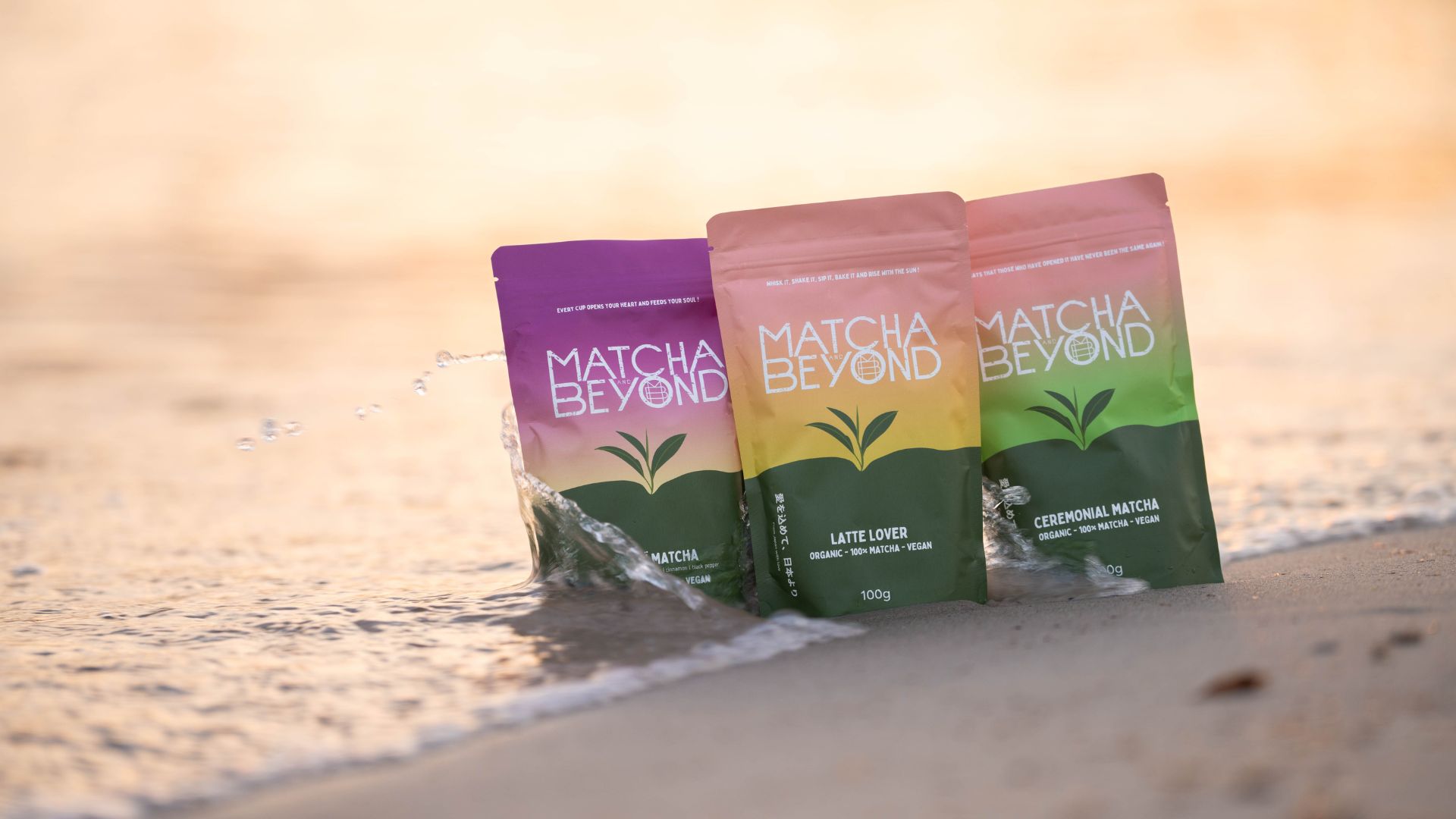
Working with experienced suppliers such as Matcha And Beyond helps businesses understand which grade best suits their target audience and pricing strategy.
Choosing the correct product category early prevents positioning and pricing problems later.
Finding Reliable Private Label Tea Suppliers
Supplier selection is one of the most important decisions in launching a matcha brand.
Strong private label tea suppliers should offer:
- Transparent sourcing
- Product consistency
- Quality certifications
- Flexible packaging options
- Low contamination risk
- Reliable logistics support
Businesses should also evaluate supplier communication carefully. Delays or unclear information can create major operational problems as the brand grows.
In addition, understanding the supplier’s production capacity is essential for future scaling.
Long-term partnerships often matter more than simply finding the cheapest supplier.
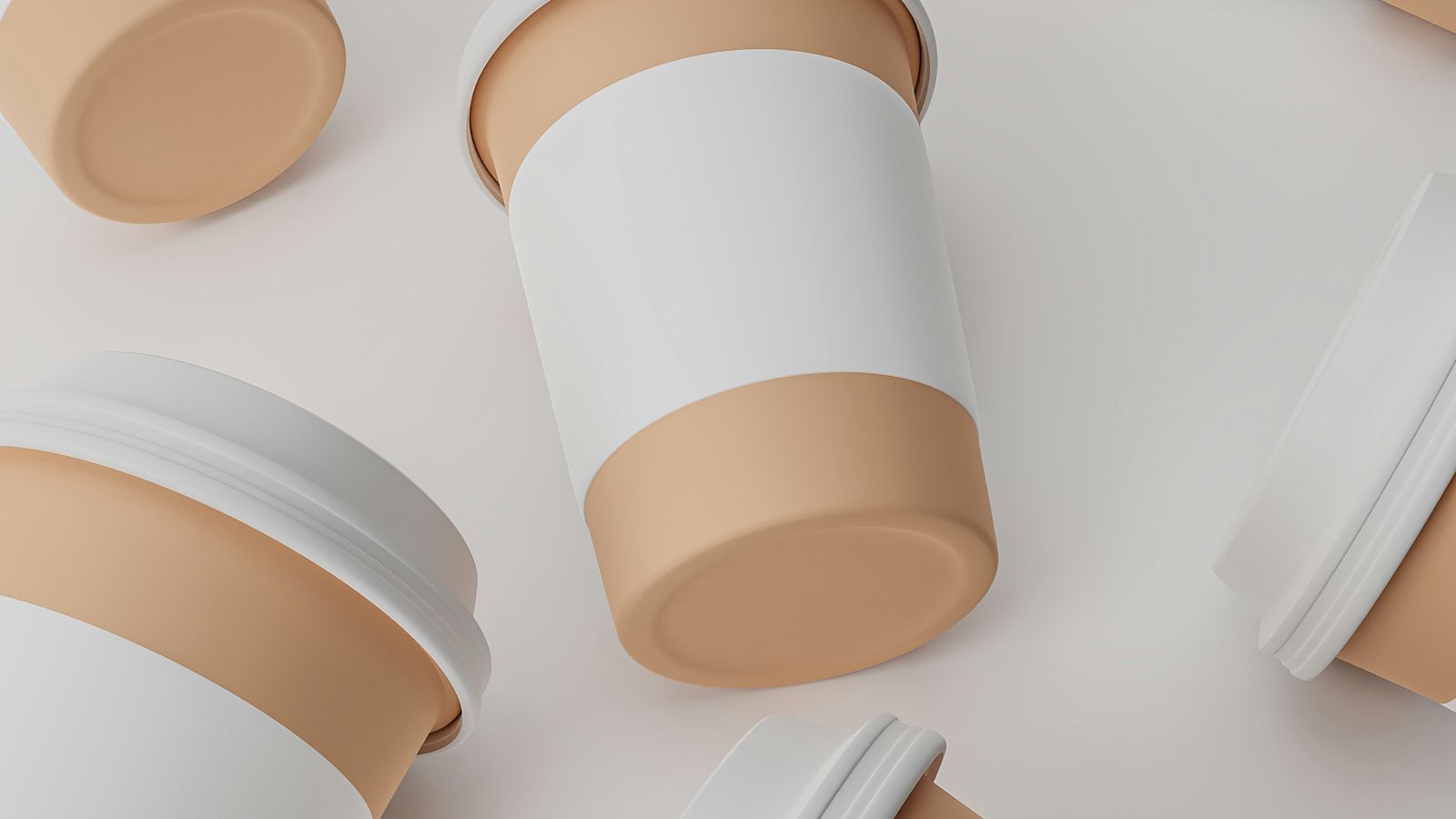
Packaging and Branding Matter More Than Ever
Modern consumers often discover products visually before tasting them.
This means packaging design plays a huge role in matcha private label success.
Strong packaging should communicate:
- Product quality
- Brand identity
- Ingredient transparency
- Sustainability values
- Usage simplicity
Minimalist and wellness-focused aesthetics currently perform particularly well within the premium tea market.
Additionally, packaging functionality matters. Matcha is highly sensitive to light, air, and moisture exposure. Proper storage packaging helps preserve flavour and colour quality.
Understanding Matcha Sourcing and Authenticity
Consumers are becoming more educated about tea sourcing.
Many buyers now look for:
- Japanese-origin matcha
- Organic certifications
- Ethical farming practices
- Shade-grown tea leaves
- Stone-ground production
Authentic sourcing helps build trust and premium positioning.
Businesses launching matcha private label products should clearly communicate sourcing transparency through branding and product descriptions.
This is particularly important in competitive ecommerce markets where consumers compare multiple products before purchasing.
Ecommerce and Direct-to-Consumer Growth
Online retail has significantly expanded opportunities for matcha brands.
Today, businesses can launch products through:
- Shopify stores
- Amazon
- Wellness marketplaces
- Subscription models
- Social commerce platforms
Consumers increasingly buy tea online because they can compare ingredients, reviews, and health benefits easily.
Additionally, direct-to-consumer sales provide stronger brand control and higher profit margins compared to wholesale-only models.
For businesses scaling operations, sourcing premium matcha wholesale products can help support growing e-commerce demand more efficiently.
Building a Strong Matcha Brand Identity
The tea market has become increasingly competitive. Strong branding helps businesses stand out.
Successful matcha brands often focus on:
- Wellness positioning
- Premium lifestyle imagery
- Sustainability messaging
- Japanese tea heritage
- Clean ingredient transparency
However, authenticity matters. Consumers quickly recognise when branding feels disconnected from product quality.
Building trust requires consistency across:
- Packaging
- Website content
- Product photography
- Social media
- Customer service
Clear positioning helps customers understand why they should choose one brand over another.
The Importance of Education in Matcha Marketing
Many consumers are still unfamiliar with matcha preparation and benefits.
Brands that educate customers often achieve stronger engagement and repeat purchases.
Educational content may include:
- Brewing guides
- Recipe ideas
- Health information
- Matcha origins
- Storage tips
Content marketing also improves SEO visibility and ecommerce traffic.
For example, recipe blogs, latte tutorials, and wellness-focused articles can help attract highly targeted audiences searching for matcha-related content online.
Sustainability Is Influencing Tea Buying Decisions
Sustainability has become increasingly important across food and beverage sectors.
Tea consumers now consider:
- Recyclable packaging
- Ethical sourcing
- Carbon impact
- Organic production
- Waste reduction
Brands that align with environmentally conscious values often build stronger customer loyalty.
Sustainability messaging should remain honest and transparent. Consumers increasingly expect evidence behind environmental claims.
This trend is likely to continue shaping purchasing behaviour across the premium tea market.
Common Challenges in Matcha Private Label Businesses
Although matcha presents strong opportunities, new brands may face several challenges.
Common issues include:
- Low-quality sourcing
- Inconsistent flavour
- Weak branding
- Poor packaging protection
- Limited customer education
- Oversaturated marketing approaches
Careful planning helps reduce these risks significantly.
Working with experienced suppliers and focusing on long-term brand positioning often leads to better sustainability and growth.
How to Position Your Matcha Brand Successfully
Successful matcha brands usually avoid trying to target everyone.
Instead, they focus on specific audiences such as:
- Wellness consumers
- Fitness communities
- Café culture enthusiasts
- Vegan shoppers
- Luxury tea buyers
Niche positioning creates stronger messaging and more effective customer targeting.
For example, a brand focused on premium ceremonial-grade matcha will market differently from a café-focused culinary matcha business.
Clear positioning improves both customer trust and marketing efficiency.
The Future of Private Label Matcha
Demand for matcha products continues expanding globally.
Several long-term trends support future growth:
- Functional beverage popularity
- Wellness-focused lifestyles
- Plant-based nutrition
- Premium tea culture
- Ecommerce convenience
As consumer awareness increases, brands offering authentic sourcing and strong product quality are likely to perform best.
Private label models will continue attracting entrepreneurs because they provide relatively low operational barriers compared to building manufacturing infrastructure independently.
The key to success lies in balancing product quality, brand trust, and long-term customer relationships.
Conclusion
Launching a matcha private label business offers significant opportunities for entrepreneurs entering the growing wellness and speciality beverage market.
As demand for premium tea products continues rising, brands that focus on quality sourcing, strong branding, and authentic customer education are positioned for long-term success.
Working with experienced private label tea suppliers helps simplify operations while providing access to premium matcha products and scalable production support.
Whether targeting ecommerce customers, cafés, or wellness-focused consumers, private label matcha allows businesses to build distinctive brands without managing complex manufacturing directly.
For entrepreneurs willing to invest in quality and consistency, matcha remains one of the most promising product categories within the modern beverage industry.
Frequently Asked Questions
What is matcha private label?
How do private label tea suppliers work?
What is the best grade of matcha for private label brands?
Can entrepreneurs launch matcha brands without manufacturing facilities?
Why is packaging important for matcha products?
Is matcha still growing in popularity in the UK?