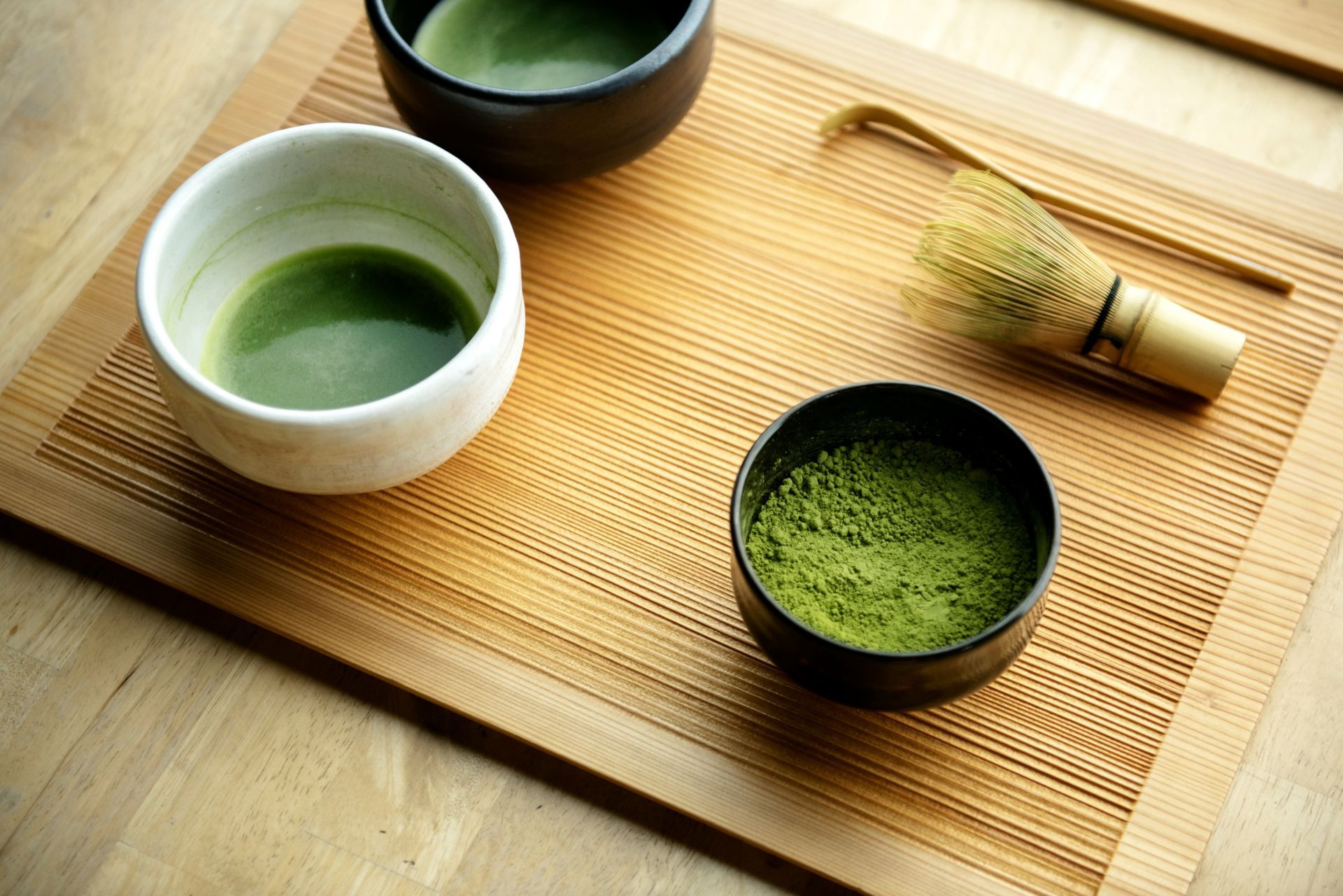
Matcha or Coffee - Which Gives You Longer-Lasting Energy?
Both drinks contain caffeine, but they don't behave the same way once they're in your system. If you're thinking about making the switch, or you're simply curious why matcha keeps coming up in conversations about steady energy, it helps to start by looking at how each drink is made. You can purchase japanese matcha sourced from organic tea gardens in Japan, ground from whole tea leaves rather than steeped and discarded, which is part of why its effect on the body is so different from a cup of coffee.
This guide walks through what's actually happening in your body with each drink, why one so often leads to an afternoon slump while the other doesn't, and which one genuinely gives you longer-lasting energy.
Does Matcha Tea Contain Caffeine?
Yes, matcha tea does contain caffeine. As a tea made from the Camellia sinensis plant, matcha naturally contains caffeine just like coffee, black tea, and green tea. The key difference is that matcha uses the entire tea leaf, stone-ground into a fine powder, so you're consuming the whole leaf rather than just the compounds that leach out during steeping.
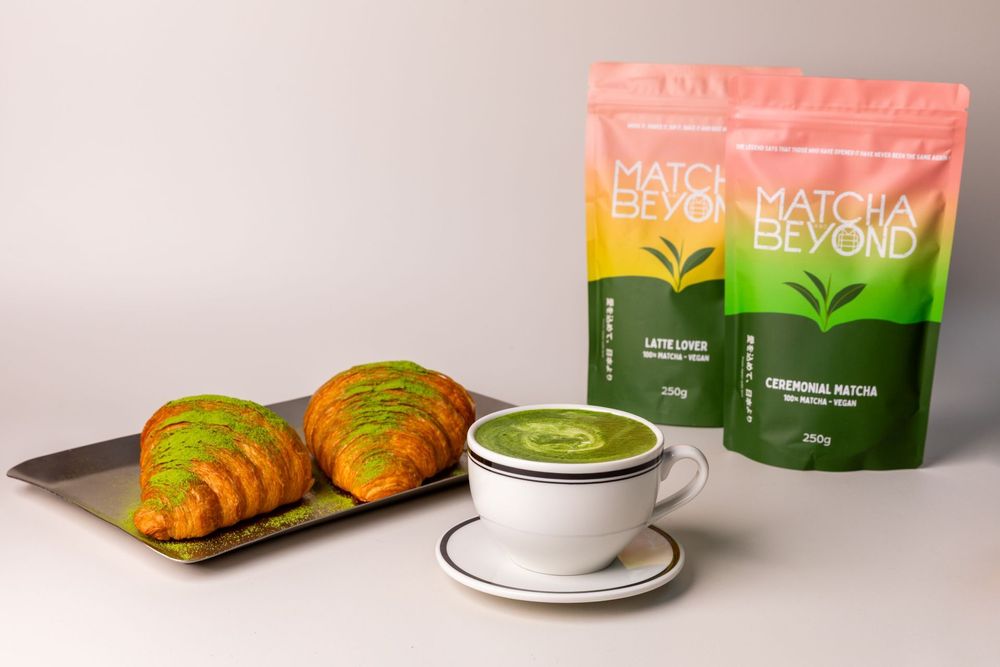
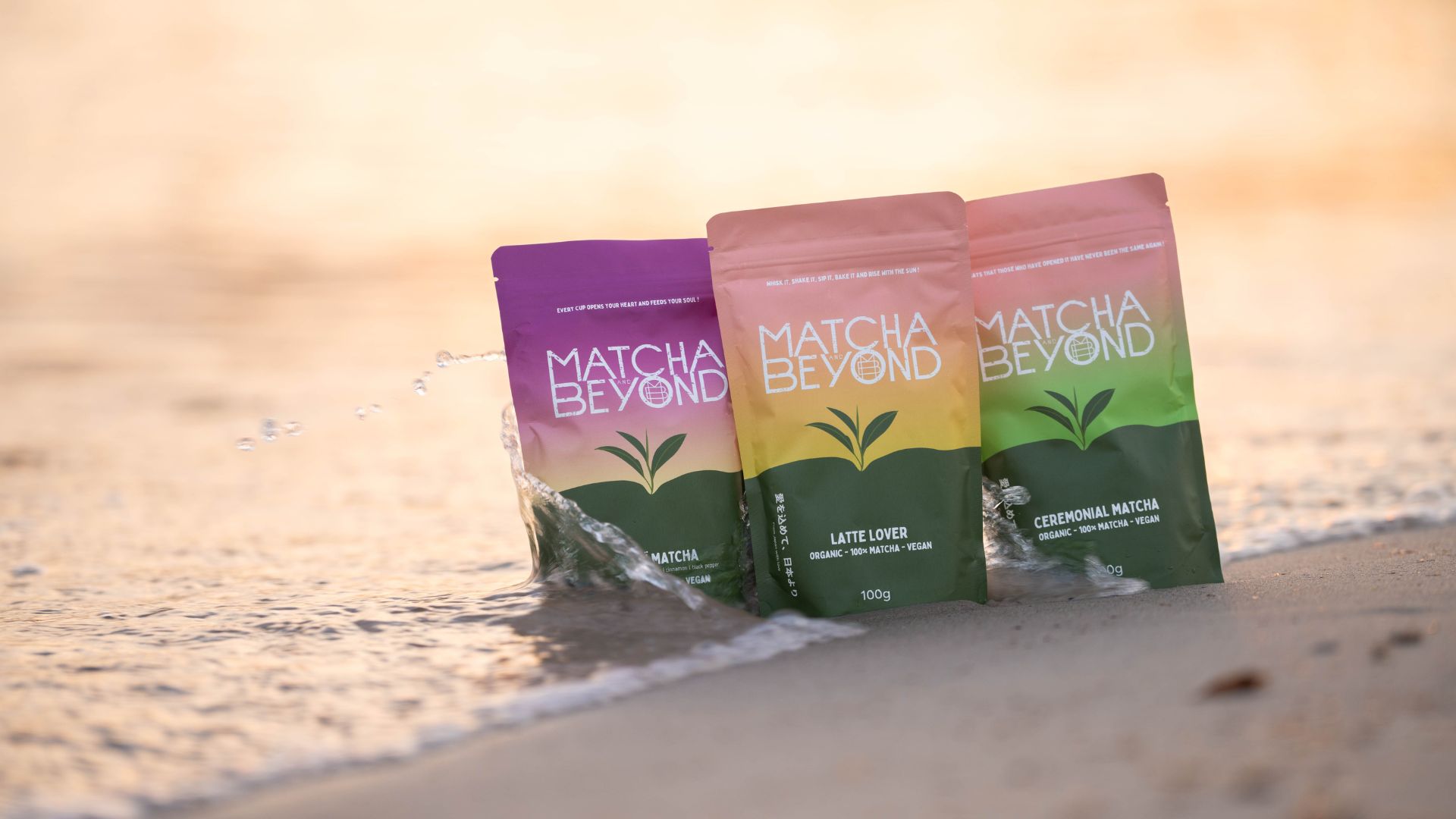
This matters because caffeine in matcha isn't released in isolation. It's absorbed alongside the leaf's other natural compounds, including an amino acid called L-theanine, which plays a major role in how that caffeine actually behaves once it reaches your bloodstream. This is the whole idea behind what Matcha & Beyond sources and sells: whole-leaf matcha chosen for exactly this natural balance.
Does Matcha Have More Caffeine Than Coffee?
This is one of the most common questions people ask when comparing matcha or coffee, and the answer is no, matcha generally contains less caffeine than coffee. A cup of matcha typically contains around 70mg of caffeine, compared to roughly 95mg in a standard cup of coffee. Steeped green tea sits lower still, at around 35mg, since it doesn't include the whole leaf the way matcha does.
The gap between matcha and coffee isn't huge, but it's enough to make a noticeable difference in how each drink feels. Coffee's caffeine hits your system quickly and in a fairly concentrated dose, while matcha's slightly lower caffeine content is absorbed more gradually, largely thanks to the presence of L-theanine working alongside it.
Why Coffee Gives You a Quick Hit, Then an Afternoon Slump
Coffee is excellent at what it's designed to do: deliver a fast, noticeable jolt of alertness. The problem is what happens after that initial hit. Caffeine from coffee is absorbed quickly and in full force, which often leads to a sharp rise in alertness followed by an equally sharp drop a few hours later, commonly felt as the classic afternoon slump.
This crash is part of why so many coffee drinkers find themselves reaching for a second or third cup before the day is even half done. Each cup restarts the same cycle: a quick lift, followed by another dip once the caffeine wears off. Over a full day, that pattern can leave you feeling more tired overall than if you'd never had that first cup.
It's also worth noting that this isn't a flaw in coffee itself, it's simply how caffeine behaves when it isn't buffered by anything else. Coffee beans don't naturally contain L-theanine, so there's nothing built in to slow that release, which is exactly the gap matcha fills differently.
The Role of L-Theanine in Matcha's Sustained Energy
The biggest difference between matcha or coffee comes down to a single ingredient: L-theanine. This naturally occurring amino acid is found in tea leaves, including matcha, but not in coffee beans. L-theanine works alongside caffeine to slow its release into the bloodstream, smoothing out the sharp peaks and drops that coffee tends to produce.
The result is sustained energy that unfolds more gradually and lasts longer, generally somewhere in the range of three to six hours, rather than the shorter, more intense burst you get from coffee. Instead of one big spike followed by a crash, matcha tends to deliver a steadier plateau of alertness that holds up much better through a long morning or a demanding afternoon.
If you're curious about the full picture of how this trade-off plays out day to day, our article on why coffee drinkers are switching to matcha goes into more detail on the practical side of making that change, including how to ease into it without uncomfortable withdrawal symptoms.
No Jitters: How Matcha Energy Actually Feels
Ask anyone who's made the switch from coffee to matcha what they notice first, and "no jitters" comes up again and again. That jittery, slightly wired feeling many people associate with coffee comes from caffeine hitting the nervous system quickly and without anything to buffer it.
L-theanine changes that experience by promoting a calmer, more focused kind of alertness, often described as clear-headed rather than wired. You still get the caffeine boost, but it arrives without the restlessness or edge that a strong coffee can bring, particularly on an empty stomach.
For anyone who loves the ritual of coffee but not the anxious, jittery feeling that sometimes comes with it, this is usually the single biggest reason matcha becomes the preferred choice.
Matcha or Coffee: Which One Actually Wins for All-Day Energy?
If you need a fast, powerful hit of alertness for a short window, coffee still does that job better than almost anything else. But if what you're actually looking for is consistent, sustained energy that carries you through a full working day without a crash in the middle, matcha has the clear edge.
Matcha & Beyond's matcha is chosen specifically for that balance: enough caffeine to genuinely wake you up, paired with the natural L-theanine content that keeps that energy level rather than letting it spike and collapse. It's not about cutting caffeine out completely, it's about getting a version of it that works with your body instead of against it.
For most people trying to avoid the 3pm slump, or looking for a way to feel alert without the jittery edge of a strong espresso, matcha is simply the more sustainable option for getting through a demanding day.
Conclusion
When it comes to matcha or coffee, the difference isn't really about which one has more caffeine, it's about how that caffeine behaves once it's in your system. Coffee delivers a fast, strong hit that often fades into an afternoon slump, while matcha's combination of caffeine and L-theanine offers steadier, longer-lasting energy without the jitters. If you're a café, wellness business, or retailer interested in offering this kind of sustained-energy drink to your own customers, take a look at our wholesale matcha options to see how it could fit into your menu.
Frequently Asked Questions
Does matcha have more caffeine than coffee?
Does matcha tea contain caffeine at all, or is it caffeine-free?
Why doesn't matcha cause the same afternoon slump as coffee?
Can matcha really give sustained energy for several hours?
Is it true that matcha causes no jitters compared to coffee?