How to Make Ceremonial Matcha Tea at Home
Many people think preparing ceremonial matcha tea is difficult. However, the process is simple when you use the right method. Whether you are new to matcha or looking to improve your technique, this guide will help you create a smooth and delicious cup at home.
If you are looking to buy ceremonial matcha tea, understanding the proper preparation method will help you get the best flavour and experience from every serving.
What Is Ceremonial Matcha Tea?
Ceremonial matcha tea is the highest grade of matcha. It is made from young tea leaves that are carefully grown, harvested, and stone-ground into a fine powder.
Traditional Japanese producers shade the tea plants before harvest. This process helps increase chlorophyll levels and gives matcha its bright green colour.
Compared with culinary grades, ceremonial matcha tea offers:
- A smoother taste
- Less bitterness
- A vibrant green colour
- A creamy texture
- A naturally sweet finish
Because of its delicate flavour, ceremonial matcha tea is best enjoyed with water rather than mixed into recipes.
Why Is Ceremonial Matcha Tea So Popular?
The popularity of ceremonial matcha tea continues to grow around the world. Many people enjoy it because it combines tradition, flavour, and wellness benefits in a single drink.
Matcha contains naturally occurring antioxidants, amino acids, and caffeine. Unlike coffee, many drinkers report a calmer and more balanced energy experience.
In addition, preparing matcha can become a relaxing daily ritual. The simple act of whisking the tea encourages mindfulness and helps create a moment of calm during a busy day.
Essential Tools for Making Ceremonial Matcha Tea
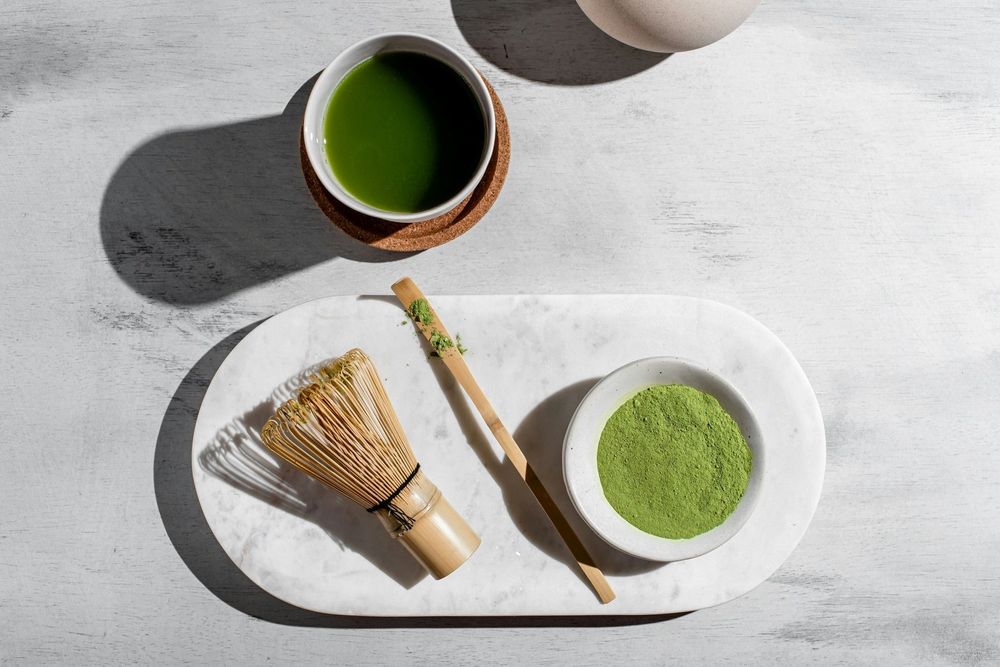
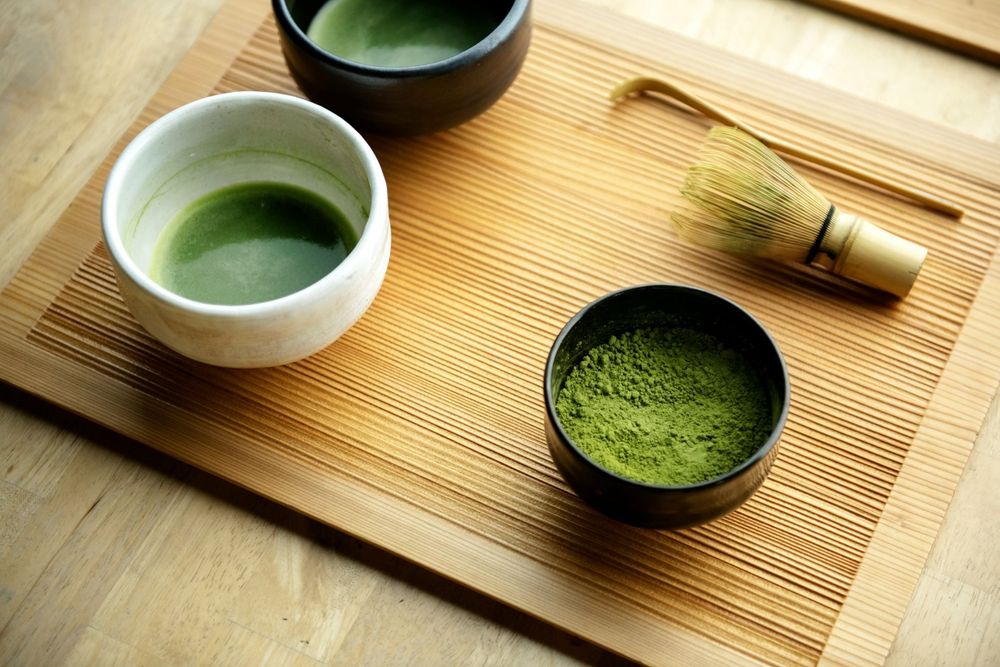
Before you begin, it helps to have the correct equipment. Traditional tools make the process easier and improve the final result.
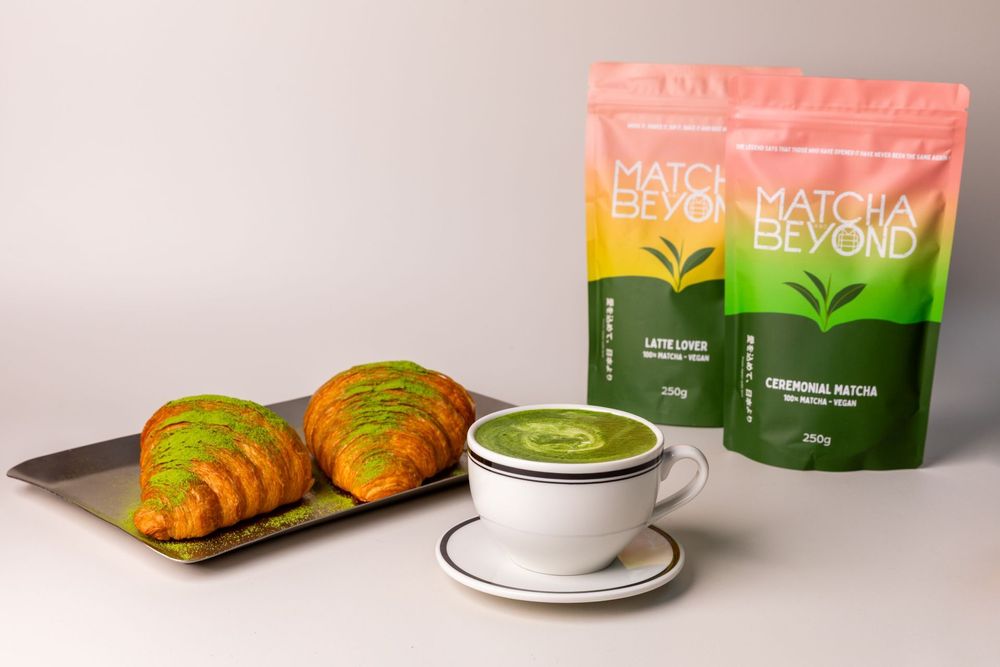
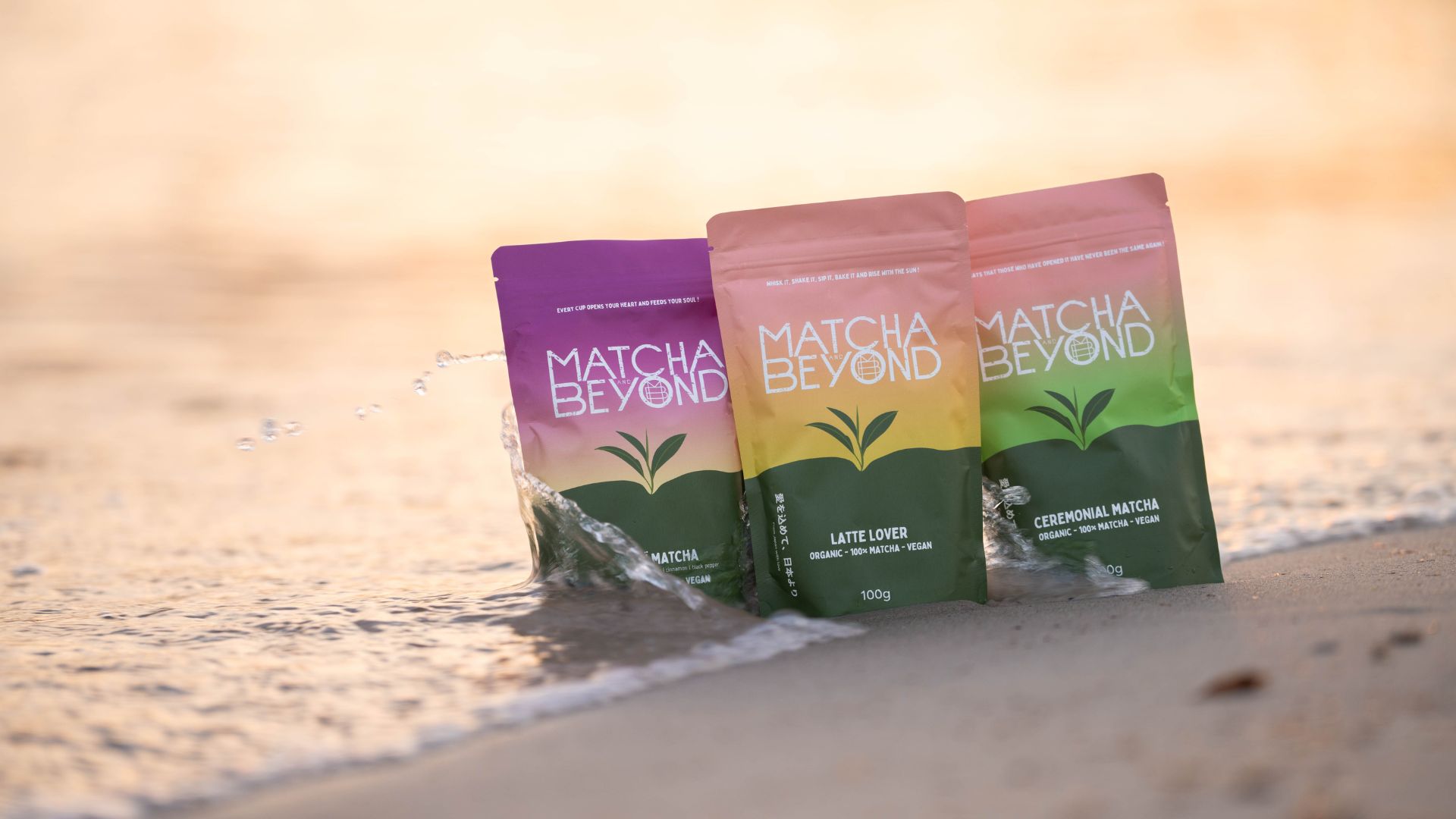
For those interested in authentic preparation, trusted specialists such as Matcha & Beyond often recommend using dedicated matcha tools to achieve the best texture and flavour.
1. Bamboo Whisk (Chasen)
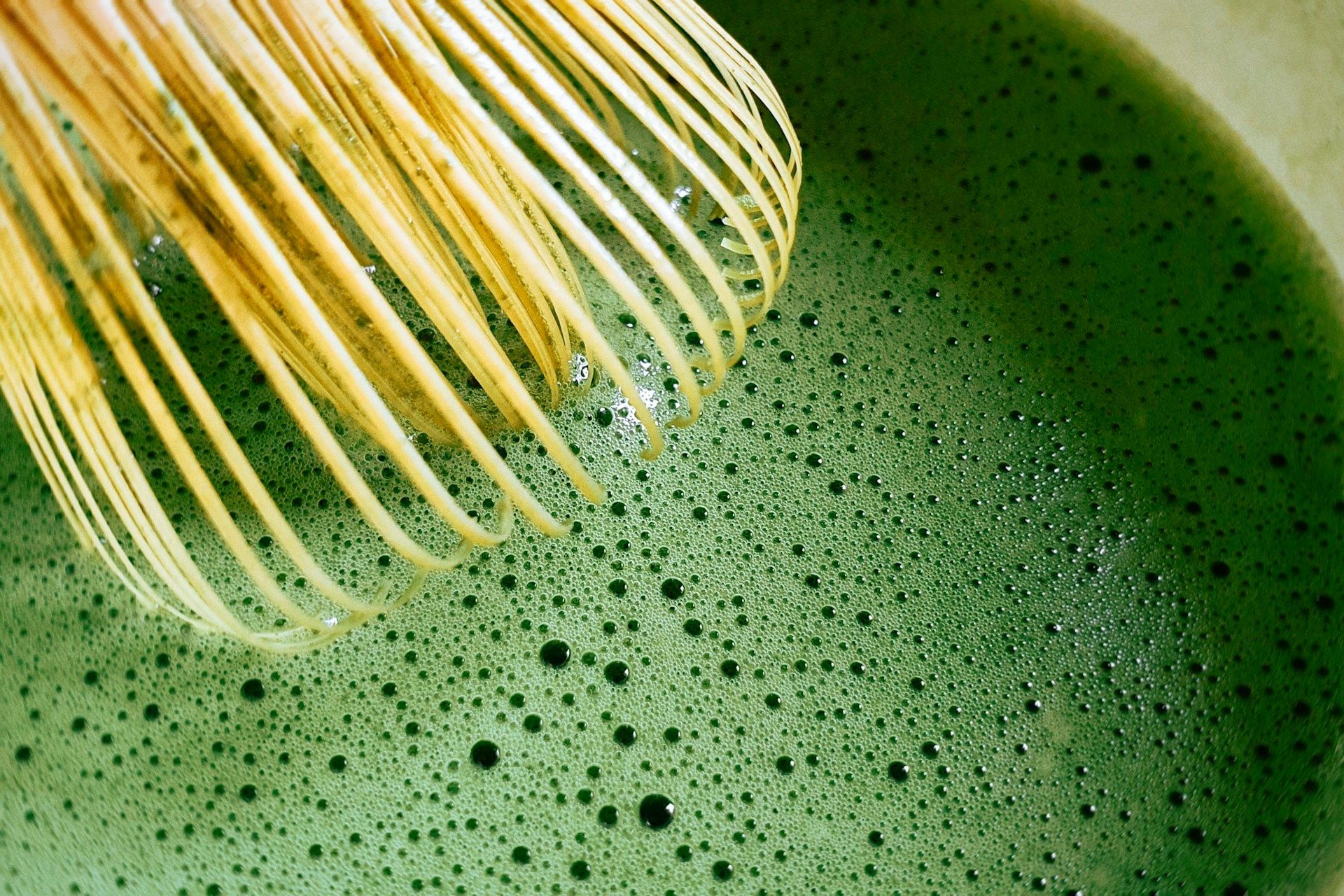
The bamboo whisk is used to mix the powder evenly into the water. It helps create the smooth, frothy layer that many matcha drinkers enjoy.
2. Matcha Bowl (Chawan)
A wide bowl gives you enough room to whisk properly. It also allows the tea to blend more evenly.
3. Bamboo Scoop (Chashaku)
The bamboo scoop helps measure the correct amount of ceremonial matcha powder.
4. Fine Mesh Sieve
Sifting removes clumps from the powder. As a result, the tea becomes smoother and easier to whisk.
Ingredients You Need
Making ceremonial matcha tea requires only two ingredients:
- 1 to 2 grams of ceremonial matcha powder
- 60 to 80ml of warm water
The water temperature is important. Ideally, it should be between 70°C and 80°C. Water that is too hot can make the tea taste bitter.
Step-by-Step Guide to Making Ceremonial Matcha Tea
Follow these simple steps to prepare a smooth, authentic cup of ceremonial matcha tea at home using traditional Japanese techniques.
Step 1: Warm the Bowl
Pour warm water into the bowl and swirl it around. This warms the bowl and helps maintain the tea temperature. Afterwards, empty the water and dry the bowl.
Step 2: Sift the Matcha
Place one to two scoops of ceremonial matcha powder into a sieve. Gently sift the powder into the bowl. This simple step helps prevent lumps and improves texture.
Step 3: Add Warm Water
Pour a small amount of warm water over the matcha powder. Avoid boiling water. Lower temperatures preserve the delicate flavour and aroma of the tea.
Step 4: Whisk the Matcha
Using a bamboo whisk, move your wrist quickly in a zig-zag or "M" motion. Do not stir in circles. Instead, whisk rapidly until a fine layer of foam appears on the surface. This usually takes around 15 to 20 seconds.
Step 5: Enjoy Immediately
Ceremonial matcha tea is best enjoyed straight after preparation. Take a moment to appreciate the aroma, colour, and flavour before drinking.
Common Mistakes Beginners Make
Many first-time matcha drinkers experience disappointing results because of simple mistakes. Fortunately, they are easy to avoid.
- Using Boiling Water: Boiling water can damage delicate flavour compounds. Always use water below boiling point.
- Skipping the Sifting Process: Clumps make matcha difficult to whisk. Sifting improves both texture and appearance.
- Using Low-Quality Matcha: Even perfect preparation cannot improve poor-quality matcha powder. Choose authentic Japanese ceremonial matcha whenever possible.
- Incorrect Whisking Technique: Circular stirring does not create the same smooth texture as proper whisking. Practice the zig-zag motion for the best results.
How to Make Your Matcha Taste Better
If your ceremonial matcha tea tastes bitter, consider the following adjustments:
- Lower the water temperature
- Use less matcha powder
- Whisk more thoroughly
- Use fresher matcha
- Store matcha correctly
Small changes can make a significant difference to flavour.
How to Store Ceremonial Matcha Tea
Proper storage helps maintain freshness.
Follow these tips:
- Keep the container tightly sealed
- Store in a cool, dark place
- Avoid moisture exposure
- Keep away from strong odours
- Use soon after opening
Fresh matcha retains its bright colour and smooth taste for longer.
Understanding Japanese Ceremonial Matcha
Japanese ceremonial matcha is deeply connected to traditional tea culture. For centuries, matcha has played an important role in Japanese tea ceremonies. These ceremonies focus on respect, harmony, purity, and mindfulness.
Today, many people enjoy ceremonial matcha tea not only for its heritage but also for its unique preparation process. If you are interested in improving your brewing technique, this guide to matcha preparation tools can help you choose the right equipment for your home setup.
Benefits of Drinking Ceremonial Matcha Tea
Many people choose ceremonial matcha tea as part of their daily routine because it offers several potential advantages.
These include:
- Natural caffeine content
- Rich antioxidant levels
- Smooth and balanced flavour
- Traditional preparation ritual
- Versatile serving options
Although experiences vary, many matcha drinkers appreciate its unique combination of taste and enjoyment.
Conclusion
Learning how to make ceremonial matcha tea at home is easier than many people expect. With high-quality ceremonial matcha powder, the right tools, and a simple preparation method, you can enjoy an authentic Japanese tea experience whenever you like.
The key is to focus on the basics. Use fresh matcha, the correct water temperature, and proper whisking technique. Over time, preparation becomes second nature, allowing you to enjoy a smooth, vibrant cup every day.
Whether you are exploring matcha for the first time or refining your brewing skills, ceremonial matcha tea offers a rewarding combination of flavour, tradition, and enjoyment that can easily become part of your daily routine.
Frequently Asked Questions
What is ceremonial matcha tea?
Can beginners make ceremonial matcha tea at home?
What water temperature is best for ceremonial matcha tea?
How much ceremonial matcha powder should I use?
Why is my ceremonial matcha tea bitter?
Is ceremonial matcha different from culinary matcha?