How to Choose the Right Matcha Private Label Supplier for Your Brand
However, the success of your brand depends heavily on choosing the right matcha private label supplier .
Whether you are launching a new product line or expanding your existing offerings, selecting the right supplier requires careful evaluation. A reliable partner can help ensure consistent quality, regulatory compliance, and long-term business growth. On the other hand, the wrong supplier may lead to quality issues, supply chain disruptions, and dissatisfied customers.
If you are currently searching for a trusted matcha private label supplier, understanding the key evaluation criteria can help you make a more informed decision.
Why Choosing the Right Supplier Matters
Private label matcha products represent your brand in the marketplace. Therefore, every aspect of the product from taste and colour to packaging and consistency reflects directly on your business. A dependable supplier acts as an extension of your team and contributes significantly to customer satisfaction and brand reputation.
Before signing any agreement, consider the following seven factors.
1. Verify the Origin and Quality of the Matcha
The first and most important consideration is the quality of the matcha itself. Authentic premium matcha is traditionally sourced from Japan, particularly from well-known growing regions such as Uji, Nishio, and Kagoshima.
When evaluating suppliers, ask:
- Where is the matcha sourced?
- Is it stone-ground?
- What grade of matcha is available?
- Are harvest and production methods documented?
- Can samples be provided for testing?
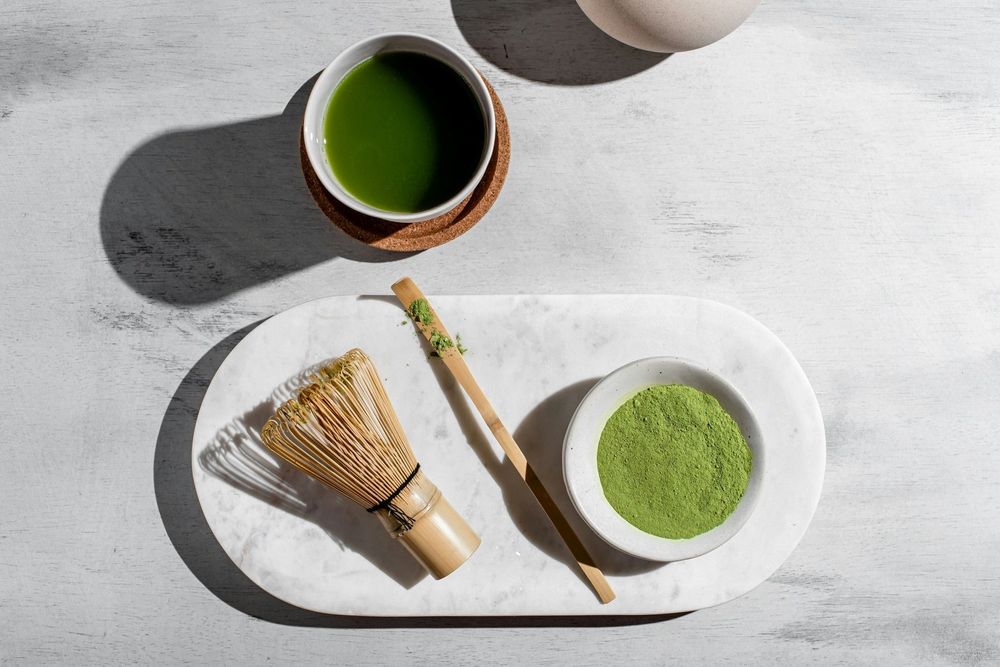
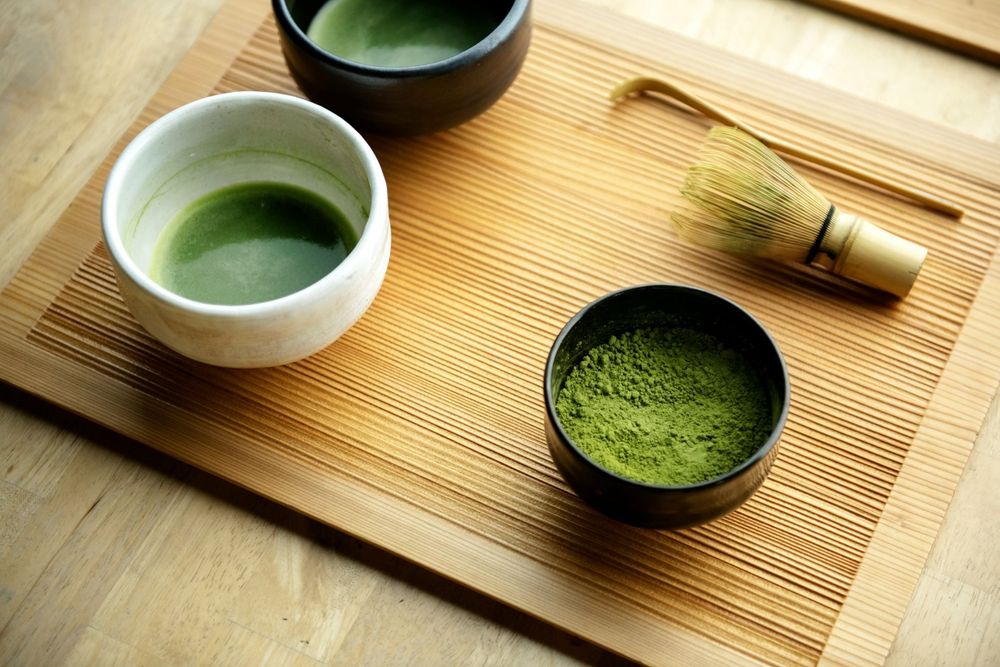
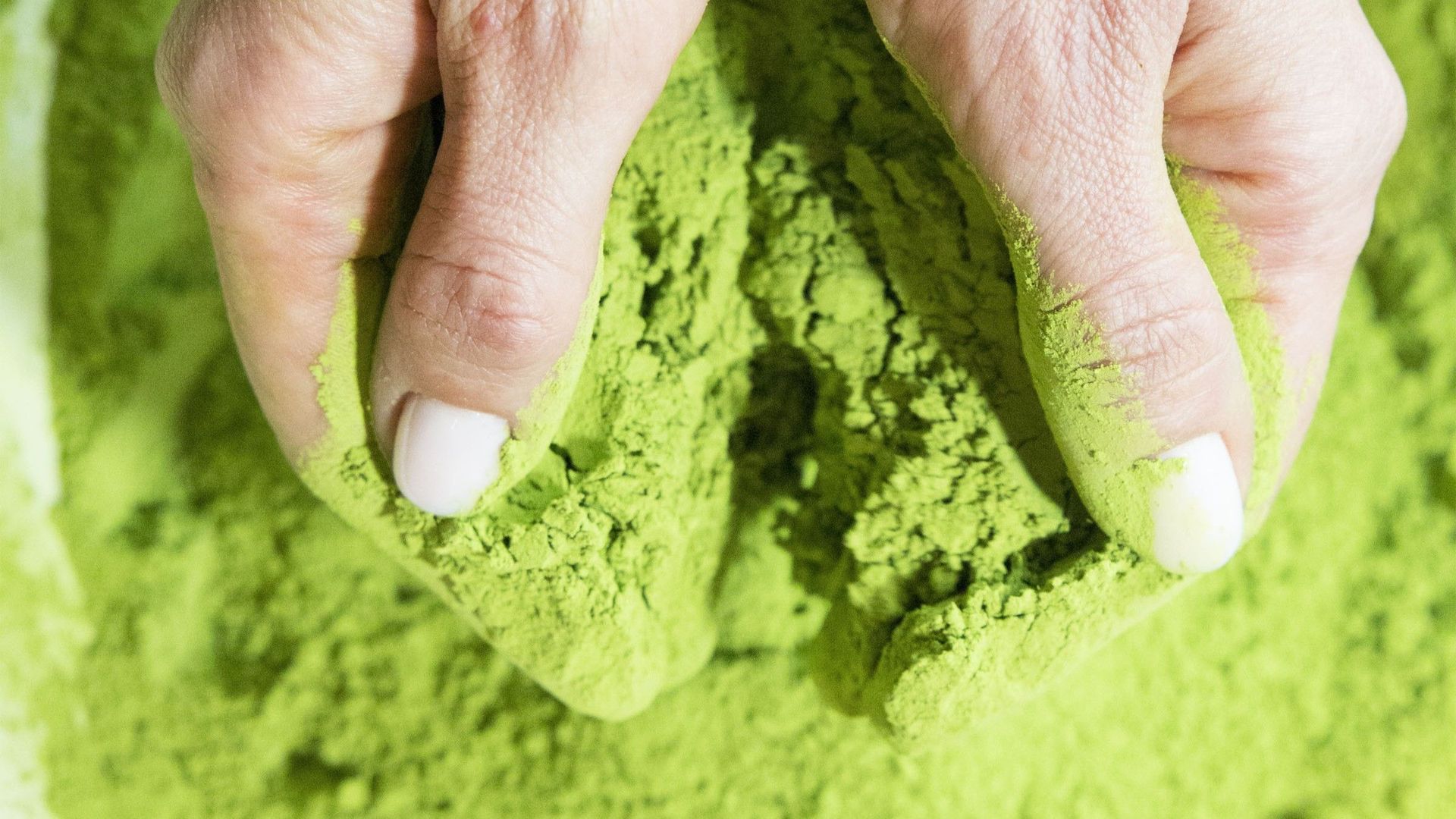
High-quality matcha should have a vibrant green colour, smooth texture, and balanced flavour profile. Sampling products before committing to a supplier is essential for assessing consistency and overall quality.
2. Review Certifications and Food Safety Standards
Food safety and regulatory compliance should never be overlooked. Reputable suppliers maintain strict quality control processes and hold recognised certifications.
Look for certifications such as:
- Organic certification
- HACCP
- ISO standards
- FDA compliance where applicable
- Third-party laboratory testing
These certifications demonstrate that the supplier follows established production and safety protocols. Furthermore, they provide additional reassurance when selling products in competitive markets.
3. Assess Private Label and Customisation Capabilities
Not all suppliers offer the same level of private label support. Some only provide bulk powder, while others offer complete branding and packaging solutions.
When comparing suppliers, evaluate:
- Custom packaging options
- Label design support
- Product formulation flexibility
- MOQ requirements
- Packaging sizes and formats
A supplier with comprehensive private label services can help streamline product development and accelerate your time to market.
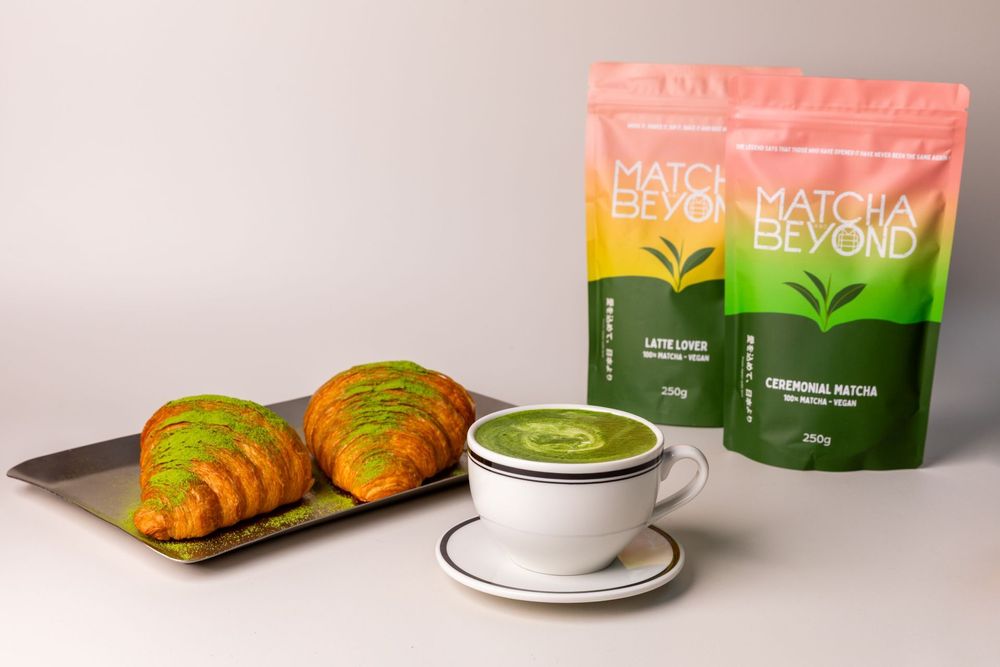
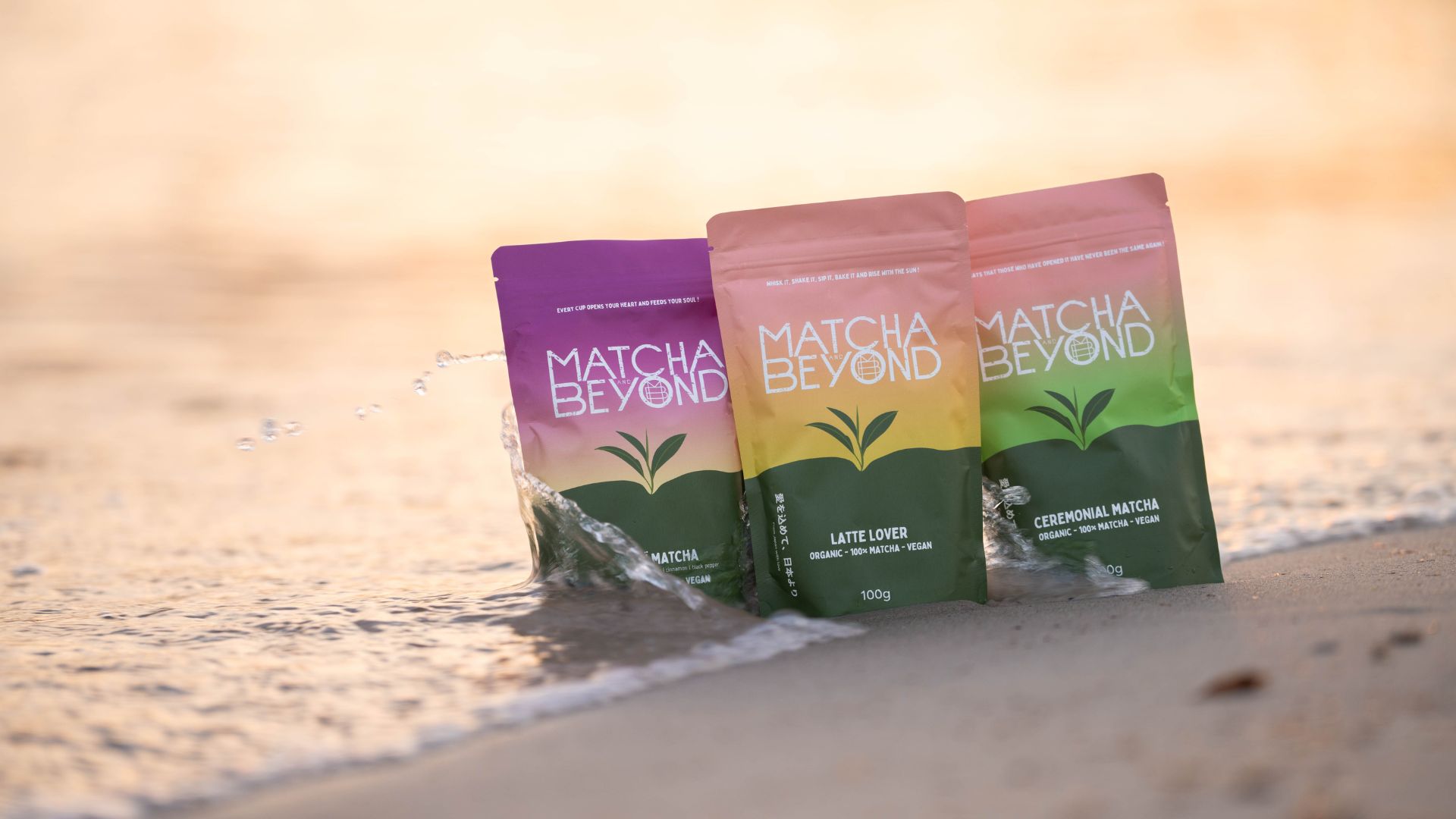
For businesses looking to build a strong presence in the industry, working with an experienced partner such as Matcha & Beyond can simplify many aspects of sourcing, branding, and product development.
4. Understand Minimum Order Quantities and Pricing Structure
Minimum order quantities (MOQs) vary significantly between suppliers. While lower MOQs may appeal to startups, larger orders often provide better pricing advantages.
Ask suppliers about:
- MOQ requirements
- Bulk discounts
- Packaging costs
- Shipping fees
- Lead times
Understanding the complete pricing structure helps prevent unexpected expenses and supports more accurate financial planning.
Additionally, compare suppliers based on total value rather than simply selecting the lowest price. Consistent quality and reliable service often deliver better long-term returns.
5. Evaluate Supply Chain Stability
As demand for matcha continues to increase globally, supply chain reliability has become increasingly important.
A dependable supplier should be able to answer questions regarding:
- Inventory availability
- Production capacity
- Seasonal fluctuations
- Shipping timelines
- Contingency plans for shortages
Businesses that plan for growth need suppliers capable of scaling production alongside increasing demand. Therefore, assessing long-term supply capabilities is just as important as evaluating current product quality.
6. Request Transparency and Product Documentation
Transparency is a strong indicator of supplier credibility. Reliable manufacturers are willing to share documentation that verifies product quality and sourcing practices.
Request documents such as:
- Certificates of Analysis (COAs)
- Ingredient specifications
- Safety data sheets
- Organic certificates
- Laboratory testing reports
Transparent suppliers are typically more confident in their products and processes. Moreover, detailed documentation helps support compliance requirements in various markets.
Businesses exploring private label opportunities can also benefit from understanding how successful cafés have leveraged branded matcha products to strengthen their offerings. This guide on private label matcha solutions for cafés provides useful insights into the growing market potential.
7. Assess Communication and Customer Support
Strong communication often separates exceptional suppliers from average ones. Even when product quality is excellent, poor communication can create unnecessary delays and operational challenges.
Evaluate the supplier's responsiveness during the enquiry process by considering:
- Response times
- Technical knowledge
- Willingness to provide samples
- Problem-solving approach
- Account management support
A supplier that communicates clearly and proactively can help resolve issues quickly and build a more productive long-term partnership.
Additional Questions to Ask Before Signing a Contract
Before making a final decision, consider asking these additional questions:
- How long have you been producing matcha products?
- Can you provide client references?
- What quality assurance measures are in place?
- How do you handle product recalls or quality concerns?
- What is the average production lead time?
- Can you support international shipping requirements?
- Are product development consultations available?
The answers will provide valuable insight into the supplier's professionalism and operational capabilities.
Common Mistakes to Avoid When Choosing a Matcha Supplier
Many businesses focus exclusively on price when selecting a supplier. However, this approach can create significant challenges later.
Avoid these common mistakes:
- Choosing the cheapest supplier without testing samples
- Ignoring certifications and compliance documentation
- Overlooking scalability requirements
- Failing to review packaging capabilities
- Not checking communication responsiveness
- Neglecting supply chain reliability
- A thorough vetting process reduces risk and increases the likelihood of long-term success.
Supplier Vetting Checklist
Use this checklist when evaluating potential suppliers:
Quality Assessment
- Product samples reviewed
- Consistent flavour and colour verified
- Origin documentation confirmed
Compliance Review
- Certifications verified
- Food safety standards reviewed
- Laboratory testing available
Private Label Capabilities
- Custom branding options available
- Packaging solutions offered
- Design support provided
Commercial Evaluation
- Pricing structure reviewed
- MOQ requirements understood
- Shipping costs confirmed
Operational Review
- Production capacity assessed
- Supply chain stability evaluated
- Lead times confirmed
Relationship Assessment
- Communication responsiveness tested
- References requested
- Long-term partnership potential evaluated
Conclusion
Choosing the right matcha private label supplier is one of the most important decisions for any business entering the growing matcha market. Product quality, certifications, transparency, scalability, pricing, and customer support all play critical roles in determining long-term success.
By carefully evaluating suppliers using the checklist outlined above, businesses can reduce risk, improve product consistency, and establish stronger foundations for growth. Ultimately, a reliable supplier is more than a vendor they are a strategic partner that helps bring your brand vision to life.
Taking the time to conduct proper supplier due diligence today can help prevent costly challenges tomorrow and position your business for sustainable success in the expanding matcha industry.
Frequently Asked Questions
What is a matcha private label supplier?
How do I choose a reliable matcha supplier?
Why is Japanese sourcing important for matcha?
What certifications should a matcha supplier have?
Can startups work with private label matcha suppliers?