7 Things to Know Before Choosing a Matcha Private Label Supplier
A good supplier helps you offer better products, build customer trust, and grow your brand faster. A poor supplier can cause delays, quality problems, and unhappy customers.
The matcha market is growing quickly in the UK. More people now buy matcha for health, energy, and lifestyle reasons. This creates strong opportunities for startups, cafés, wellness brands, and online stores. If you plan to launch your own tea range, working with a trusted Private Label Matcha Manufacturer is an important first step.
Why Supplier Choice Matters
Your supplier does more than provide tea.
- They also affect:
- Product quality
- Delivery times
- Packaging standards
- Customer experience
- Brand reputation
Many businesses spend heavily on marketing. However, poor product quality can quickly damage customer trust. That is why supplier research matters before launching your brand.
1. Check Where the Matcha Comes From
The source of the tea is very important.
Many buyers now want matcha from Japan because it is known for quality and tradition.
A good supplier should clearly explain:
- Where the tea is grown
- How it is processed
- When it is harvested
- Whether it is stone-ground
Clear sourcing information helps your brand look more trustworthy. Customers also care more about product origin than before. Premium buyers often check labels carefully before buying.
2. Test the Matcha Quality
Not all matcha tastes the same.
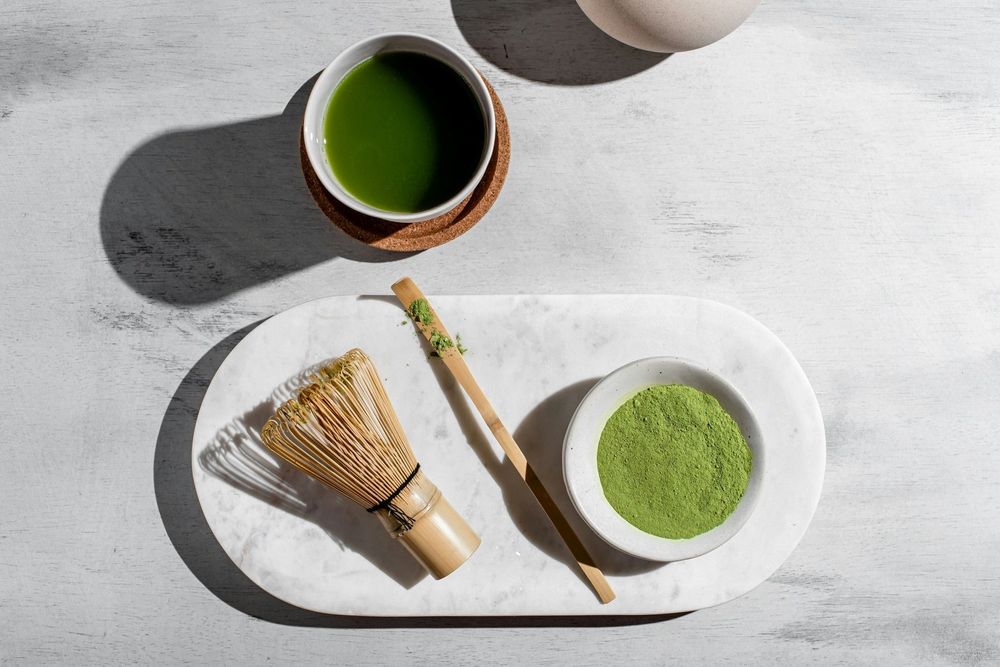
Low-quality matcha may taste bitter or look dull. Good matcha should have:
- Bright green colour
- Smooth texture
- Fresh smell
- Clean taste
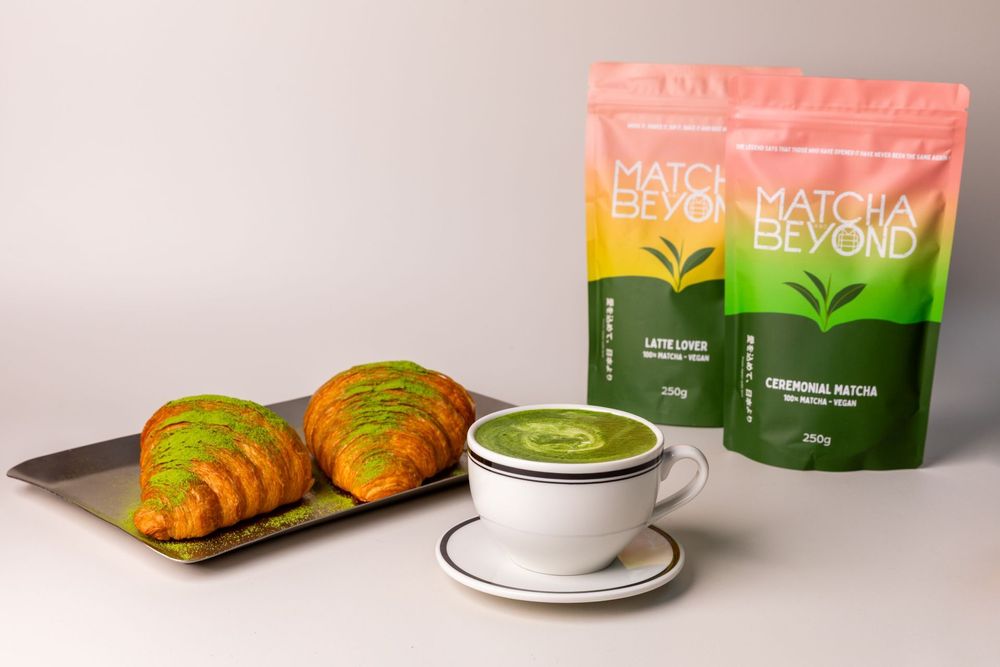
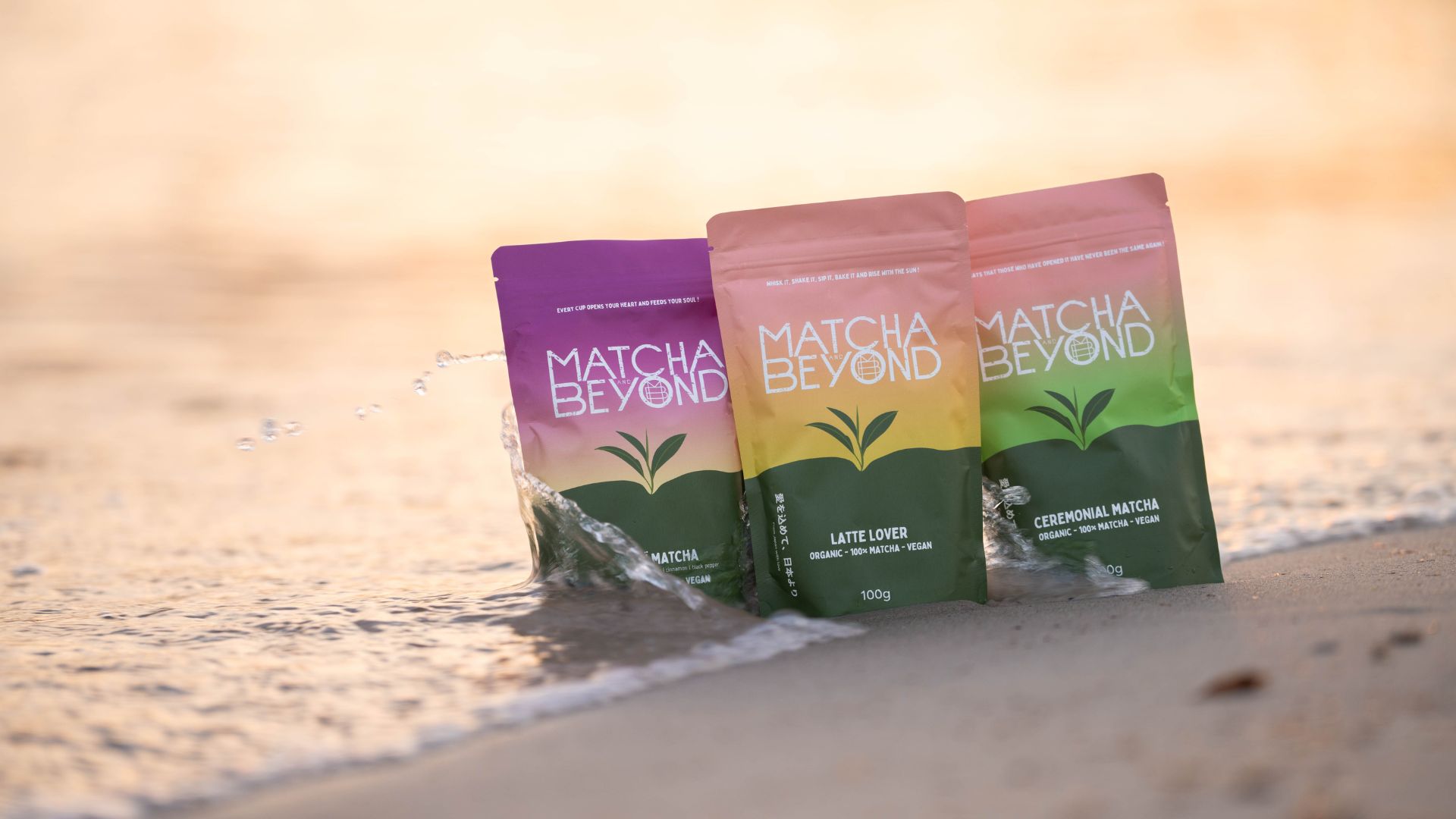
Always ask for samples before placing large orders. Reliable companies such as Matcha And Beyond can help businesses choose the right matcha grade for their products and target customers. Testing samples first can prevent expensive mistakes later.
3. Review Certifications and Food Safety
Food safety matters for every tea business.
Your supplier should provide proper documents and certifications. These may include:
- Organic certification
- Food safety testing
- Import documents
- Lab reports
This is especially important if you sell products in the UK or Europe. Customers also feel more confident when brands share quality and safety information openly.
4. Look at Packaging Quality
Packaging protects the tea and supports your branding.
Matcha can lose freshness if exposed to:
- Air
- Heat
- Light
- Moisture
Strong packaging helps keep the tea fresh for longer.
Good suppliers usually offer:
- Airtight packaging
- Different size options
- Private label printing
- Eco-friendly materials
Packaging also affects first impressions. Many people decide to buy based on appearance before reading product details.
5. Understand Minimum Order Sizes
Some suppliers only work with very large orders. This can be difficult for startups or smaller businesses.
Before choosing a supplier, ask about:
- Minimum order quantity
- Pricing levels
- Delivery times
- Storage conditions
Flexible suppliers often work better for growing brands.
Businesses looking to scale later may also benefit from working with a reliable Matcha Wholesale Partner that can support larger future orders.
6. Check Communication and Support
Fast and clear communication is very important. A strong supplier should answer questions quickly and provide updates when needed.
Good support helps with:
- Product changes
- Shipping updates
- Packaging questions
- Delivery problems
Poor communication often creates delays and confusion. Long-term supplier relationships work best when both sides communicate clearly and consistently.
7. Don’t Choose Based Only on Price
Cheap products may look attractive at first. However, very low prices can lead to:
- Poor flavour
- Weak packaging
- Slow delivery
- Low product quality
Premium matcha usually costs more because it takes time and care to produce properly. Customers buying wellness products often expect high quality. A better product usually creates stronger customer loyalty over time.
It is smarter to focus on long-term value instead of the cheapest option.
Why Matcha Is Growing So Fast
Matcha has become popular across many industries.
Growth is driven by:
- Health trends
- Plant-based lifestyles
- Café culture
- Social media
- Premium tea demand
People now use matcha in:
- Lattes
- Smoothies
- Desserts
- Supplements
- Wellness drinks
This growing demand creates strong opportunities for new tea brands.
Build a Strong Brand Around Quality
Good matcha alone is not enough. Strong branding also matters.
Successful tea brands usually focus on:
- Clear messaging
- Clean packaging
- Honest sourcing
- Helpful content
- Customer trust
People want to know more about the products they buy. Educational content can help your business grow online. Blogs, recipes, and brewing tips also improve SEO visibility.
Sustainability Matters More Today
Many tea buyers now care about sustainability.
Customers often look for:
- Eco-friendly packaging
- Ethical farming
- Organic products
- Responsible sourcing
Brands that support these values often build stronger customer loyalty. Simple and honest sustainability messaging works better than exaggerated marketing claims.
Common Mistakes New Tea Brands Make
Many new businesses make avoidable mistakes.
Common problems include:
- Choosing the cheapest supplier
- Skipping product testing
- Weak branding
- Poor packaging
- Ordering too much stock early
Planning carefully can help avoid these issues. Strong supplier partnerships also make business growth easier over time.
The Future of Matcha Private Label
The matcha market still has strong growth potential.
More people now want:
- Healthy drinks
- Natural energy products
- Premium tea
- Plant-based options
This means demand for matcha private label products will likely continue rising. Brands that focus on quality, trust, and consistency are more likely to succeed long term.
Conclusion
Choosing the right private label tea suppliers is one of the most important steps when building a matcha brand. A good supplier supports product quality, packaging, delivery, and customer trust.
Before making a decision, businesses should review sourcing, certifications, packaging, pricing, and communication carefully. The matcha market continues growing across the UK and global wellness sectors. Brands that focus on quality and reliable supplier partnerships are better prepared for long-term success.
Taking time to choose the right supplier now can help avoid major problems later and create a stronger foundation for future growth.
Frequently Asked Questions
What are private label tea suppliers?
Why is matcha quality important?
What should businesses ask a matcha supplier?
Why does packaging matter for matcha?
Can startups work with matcha suppliers?
Why is Japanese matcha popular?