Why Matcha Packaging Matters - Freshness, Sustainability & Refills
Introduction
The journey of matcha does not end at the farm or during stone grinding, it continues into the packaging that carries the delicate powder to consumers. While flavor, color, and quality are often highlighted, packaging plays an equally important role in protecting freshness, supporting sustainability, and enabling refill systems that reduce waste.
Packaging is not just a container; it reflects how brands care for the tea, the environment, and the people who enjoy it. At Matcha & Beyond , the importance of packaging is deeply considered, from preserving taste to offering refillable options that make sense for both consumers and the planet. Understanding why packaging matters gives new appreciation for each sip of matcha and connects the act of drinking tea with mindful consumption.
For anyone curious about what matcha tea tastes like, packaging directly influences the experience. Without proper storage, matcha loses its signature flavor profile and vibrant color. For those who want to buy in bulk ceremonial grade matcha, packaging ensures that freshness is maintained even over longer periods.
The Sensitivity of Matcha: Why Packaging Matters
Matcha is unlike most teas. Because it is consumed as a powder made from ground whole leaves, it is more sensitive to air, light, moisture, and heat. These factors quickly degrade quality, leading to dull color, loss of flavor, and reduced nutritional value.
Good packaging safeguards against these threats. The container acts as a protective shield, ensuring that matcha retains its bright green hue, earthy aroma, and umami taste. Without proper packaging, matcha can turn bitter, stale, or lose its vibrancy within weeks.
Key Sensitivities of Matcha
- Air Exposure: Causes oxidation, leading to dull flavour and faded colour.
- Light Exposure: Breaks down chlorophyll, reducing the vivid green shade.
- Moisture: Creates clumps and speeds up degradation.
- Heat: Reduces freshness and alters taste.
Packaging that addresses these sensitivities ensures that when someone wonders what does matcha tea taste like , they experience the authentic flavour that farmers and producers intended.
Freshness: The Core Role of Matcha Packaging
Freshness is one of the most important qualities of matcha, and packaging directly influences how long it can be maintained. From airtight seals to light-proof containers, each detail plays a role in preserving the tea.
Common Packaging Features for Freshness
- Resealable Tins: Provide airtight storage that protects powder after opening.
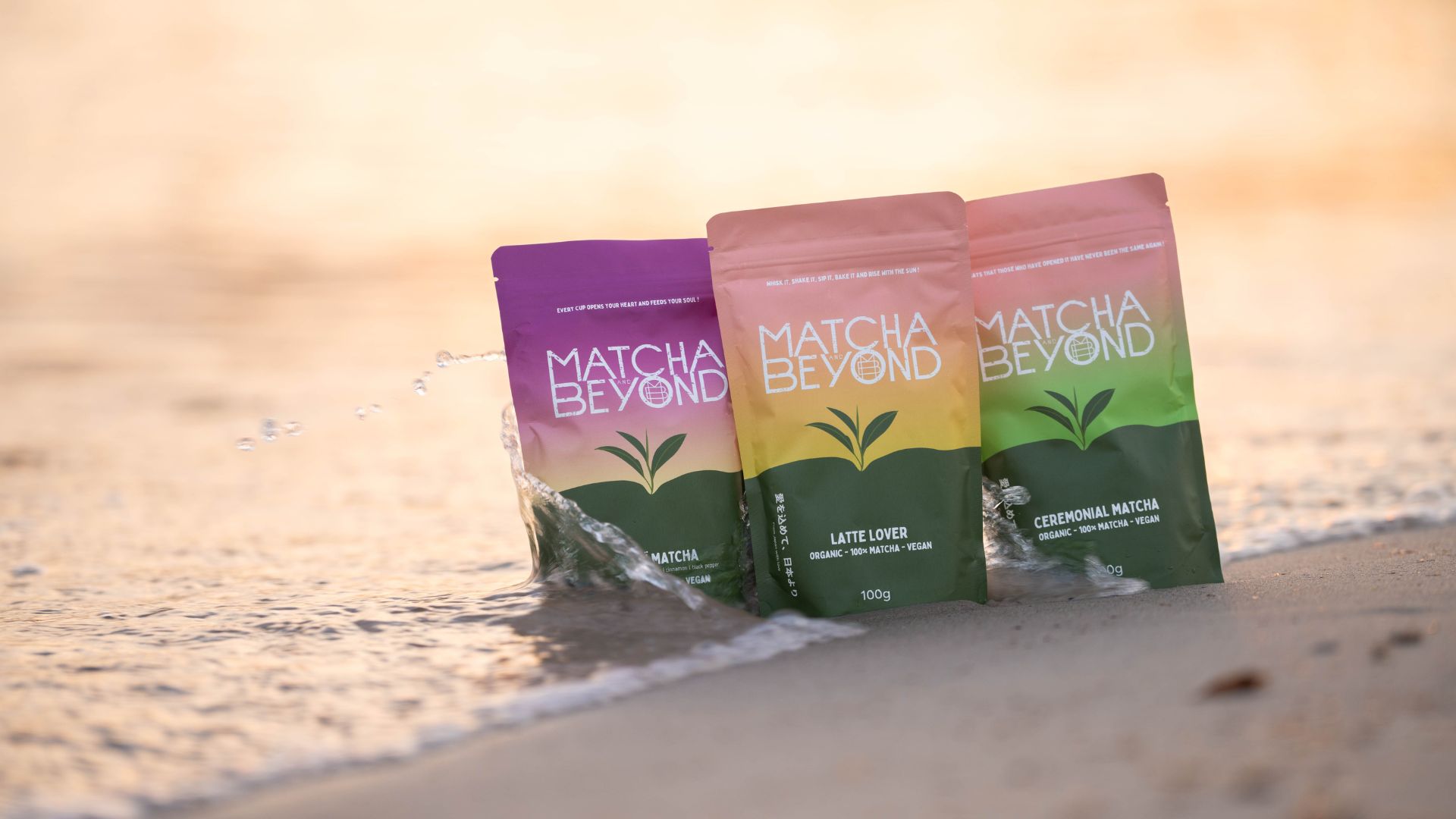
- Foil-Lined Pouches: Lightweight yet effective at blocking air and moisture.
- Opaque Containers: Prevent light exposure to maintain vibrant green colour.
- Small-Volume Packaging: Reduces prolonged exposure by encouraging quicker consumption.
When stored in proper packaging, matcha retains its original qualities for several months. Consumers who choose to buy in bulk ceremonial grade matcha often rely on refill-friendly packaging to divide quantities into smaller, airtight containers for daily use.
Matcha Packaging Types and Their Benefits
| Packaging | Freshness | Sustainability | Refill Options |
|---|---|---|---|
| Foil-Lined Pouch | Blocks air and moisture, lightweight | Recyclable in some regions | Can be used to refill tins |
| Airtight Tin | Long-lasting freshness, protects colour | Reusable container | Ideal for refill systems |
| Glass Jar (Dark) | Protects from light, maintains aroma | Fully recyclable | Can be reused repeatedly |
| Compostable Pouch | Eco-friendly material | Biodegradable disposal | Refills possible with larger packs |
This comparison shows how different packaging options balance freshness, sustainability, and refill potential.
Sustainability in Matcha Packaging
Sustainability has become a defining aspect of packaging. As environmental concerns grow, consumers expect eco-friendly solutions that minimize waste while maintaining quality. For matcha, sustainable packaging means protecting the tea while reducing its environmental footprint.
Key Sustainable Approaches
- Reusable Tins: Designed for long-term use, reducing single-use waste.
- Biodegradable Pouches: Made from plant-based materials that break down naturally.
- Minimalist Packaging: Reducing excess layers of plastic or cardboard.
- Recycling Systems: Clear instructions on how to dispose of packaging responsibly.
By integrating these approaches, brands align the ancient ritual of tea drinking with modern environmental consciousness. Recipes like matcha froyo swirl bark demonstrate how matcha adapts to contemporary lifestyles, and sustainable packaging ensures that it does so responsibly.
Refills: A Practical and Sustainable Solution
Refill systems offer a balance between freshness and sustainability. Instead of purchasing a new container every time, consumers can reuse tins or jars and simply refill them from pouches.
Advantages of Refills
- Reduced Waste: Less packaging material is discarded.
- Cost-Effective: Refills are often cheaper than buying new containers.
- Convenient Storage: Pouches take up less space and are easier to transport.
- Freshness Management: Smaller refill packs allow for gradual consumption.
For those who buy in bulk ceremonial grade matcha, refills are especially important. Bulk matcha can be divided into airtight tins, ensuring freshness while minimizing packaging waste.
Balancing Freshness and Sustainability
One of the biggest challenges in matcha packaging is balancing freshness with environmental responsibility. For example, foil-lined pouches are excellent at preserving freshness but may be harder to recycle. On the other hand, biodegradable options may not yet provide the same level of protection.
Consumers increasingly look for packaging solutions that address both concerns. Ethical brands communicate openly about the trade-offs and provide clear guidance on storage and disposal. This transparency builds trust and allows consumers to make informed choices.
Consumer Responsibility in Matcha Packaging
Packaging is only part of the story—how consumers handle matcha after purchase is equally important. Even the best packaging cannot prevent degradation if storage practices are poor.
Best Practices for Storing Matcha at Home
- Keep containers airtight after each use.
- Store in a cool, dark place, away from direct sunlight and heat sources.
- Avoid using wet utensils that introduce moisture into the container.
- Consume smaller amounts quickly instead of leaving large portions open.
By following these steps, consumers ensure that the unique taste and benefits of matcha remain intact.
Innovations in Matcha Packaging
Packaging continues to evolve as brands explore innovative solutions that combine preservation with eco-friendliness.
Emerging Trends
- Vacuum-Sealed Packs: Removing air completely to extend shelf life.
- Compostable Laminates: New materials that protect freshness and biodegrade.
- Smart Packaging: Indicators that show freshness or storage conditions.
- Refill Subscription Models: Regular delivery of refill packs to reduce unnecessary packaging.
Such innovations represent the future of matcha packaging, where sustainability and consumer convenience go hand in hand.
Why Packaging Influences Flavour Perception
Packaging affects not only freshness but also how consumers perceive flavour. If matcha arrives in damaged or poorly sealed packaging, the taste may be compromised. This experience can alter perceptions, leading people to believe that matcha is bitter or dull.
Proper packaging preserves the qualities that answer the common question: what does matcha tea taste like. With the right packaging, matcha delivers its full spectrum of umami, sweetness, and vegetal notes.
Packaging and Global Matcha Distribution
As matcha spreads worldwide, packaging ensures that it arrives in optimal condition. Transporting delicate powders across continents requires durability and protection. Without proper packaging, international shipments risk spoilage, which undermines both consumer experience and farmer livelihoods.
Packaging designed for export considers climate variations, transit duration, and handling. High-quality containers keep matcha fresh from Japan to kitchens worldwide.
Conclusion
Matcha packaging is far more than an afterthought. It is central to preserving freshness, supporting sustainability, and enabling refill systems that reduce waste. From airtight tins to compostable pouches, packaging decisions influence flavour, quality, and environmental impact.
Consumers who choose to buy in bulk ceremonial grade matcha or explore creative recipes from packaging that balances tradition with innovation. Ultimately, mindful packaging reflects the values of tea culture: respect for nature, appreciation of quality, and care for community.
Frequently Asked Questions
Why is packaging important for matcha?
What kind of packaging keeps matcha freshest?
Can matcha packaging be sustainable and protective at the same time?
How do refills work with matcha packaging?
What should I do after opening matcha packaging?