Matcha Private Label - How to Launch Your Own Brand
For entrepreneurs, this creates a strong opportunity to enter the market without building a product from scratch. A matcha private label business allows you to sell premium matcha under your own brand while focusing on marketing and growth.
To get started efficiently, partnering with a trusted matcha private label supplier ensures consistent quality and reliable support. If you’re planning to launch a new product line or build a brand, this guide will walk you through every step.
What Is Matcha Private Label?
Matcha private label is a business model where you sell matcha products under your own brand while sourcing them from an established supplier.
Instead of managing farming, processing, and production, you focus on branding, packaging, and selling. This makes it a faster and more accessible way to enter the market.
For UK businesses, this model reduces complexity and allows you to compete with established brands more easily.
Why Start a Matcha Private Label Business?
The popularity of matcha is driven by its health benefits, versatility, and premium image. As a result, demand continues to grow across multiple industries.
Starting a matcha private label brand offers several advantages. It requires lower upfront investment compared to manufacturing, and it allows you to test the market quickly.
Brands like Matcha & Beyond support businesses with high-quality sourcing and industry expertise. In addition, the scalability of private labelling makes it ideal for entrepreneurs looking to grow their business over time.
Who Should Consider Matcha Private Label?
A private label matcha business is suitable for a wide range of entrepreneurs and brands. It is ideal for individuals entering the wellness or beverage industry for the first time. It also works well for café owners who want to create their own branded products.
E-commerce businesses can use private label matcha to expand their product range. Similarly, health and fitness brands can include matcha as part of their offerings. If your goal is to build a brand without managing production, this model provides a practical and efficient solution.
Step-by-Step Guide to Launch Your Matcha Brand
Launching your brand involves several important steps, from defining your niche to choosing the right supplier. Each step plays a role in your success.
By following a structured approach, you can avoid common mistakes and build a strong foundation. Planning ahead ensures smoother execution and better results.
Step 1: Define Your Brand and Audience
The first step is to clearly define your brand identity and target audience. Consider who your ideal customers are and what they value.
For example, some brands focus on premium consumers, while others target fitness enthusiasts. Your branding, messaging, and pricing should reflect your chosen niche.
Step 2: Choose the Right Matcha Grade
Selecting the right matcha grade is essential for product quality.
Ceremonial grade matcha is best for drinks due to its smooth taste and vibrant colour. Culinary grade matcha is more suitable for recipes and has a stronger flavour. Your choice will depend on your target market and how your product will be used.
Step 3: Partner with a Reliable Supplier
Your supplier plays a critical role in your success. A reliable partner ensures consistent quality and timely delivery.
It is also important to consider sourcing practices and transparency. You can explore wholesale matcha options here . Choosing the right supplier builds a strong foundation for your business.
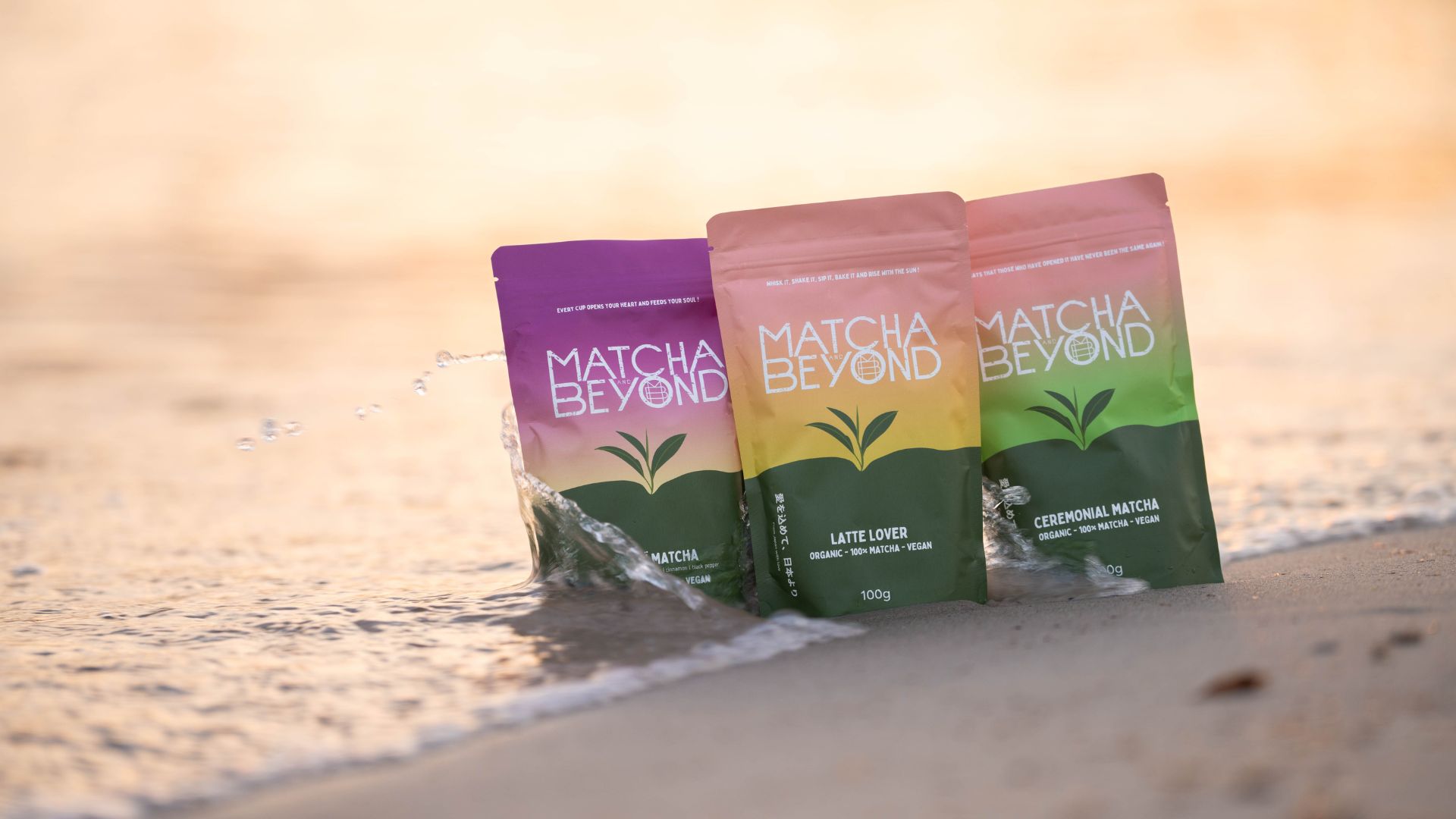
Step 4: Design Your Packaging
Packaging is one of the most important aspects of your product. It influences how customers perceive your brand.
Focus on creating packaging that is visually appealing and functional. Clear labelling and high-quality materials can enhance the customer experience.
Eco-friendly packaging is also becoming increasingly important in the UK market.
Step 5: Build Your Brand Identity
Your brand identity includes your logo, colours, messaging, and overall style. It should be consistent across all platforms.
A strong brand helps you stand out in a competitive market. It also builds trust and recognition among customers.
Investing time in branding can significantly impact your long-term success.
Step 6: Test and Launch Your Product
Before launching, it is important to test your product. Gather feedback from a small group of customers and make improvements if needed.
Once you are confident in your product, launch it through your chosen channels. This could include an online store, marketplaces, or retail partnerships. A well-planned launch can create strong initial momentum.
Cost Breakdown for Matcha Private Label
Understanding the costs involved helps you plan effectively. Typical expenses include product sourcing, packaging design, branding, marketing, and logistics. While costs vary, private labelling is generally more affordable than full-scale manufacturing.
It is also important to set aside a budget for marketing. Promoting your brand is essential for growth and visibility.
Benefits of Matcha Private Label
Private labelling offers several advantages, including faster market entry and lower risk. It allows you to launch quickly without managing production. It also gives you full control over branding and customer experience. This helps build long-term value for your business.
- Faster Market Entry : Private labelling allows you to launch your product quickly without setting up production facilities.
- Lower Operational Risk : Since production is handled by the supplier, your operational risk is reduced.
- Scalability : As your business grows, you can increase orders easily without major changes to your operations.
- Brand Ownership : You maintain full control over branding and customer experience, which helps build long-term value.
Common Mistakes to Avoid
Starting a private label business comes with challenges, but many mistakes can be avoided. One common mistake is compromising on quality to reduce costs. Poor-quality matcha can damage your brand reputation.
Another mistake is weak branding. Without a strong identity, it is difficult to stand out. Lastly, neglecting marketing can limit growth. Even high-quality products need visibility to succeed.
Matcha Private Label in the UK (GEO Insight)
If you are searching for matcha private label UK near me, the demand is strongest in major cities such as London and Manchester.
Consumers are increasingly interested in premium and sustainable products. This creates strong opportunities for new brands entering the market. Understanding local trends and preferences can help you position your brand effectively.
How to Market Your Matcha Brand
Marketing is essential for building awareness and driving sales.
Focus on creating engaging content, collaborating with influencers, and optimising your website for search engines.
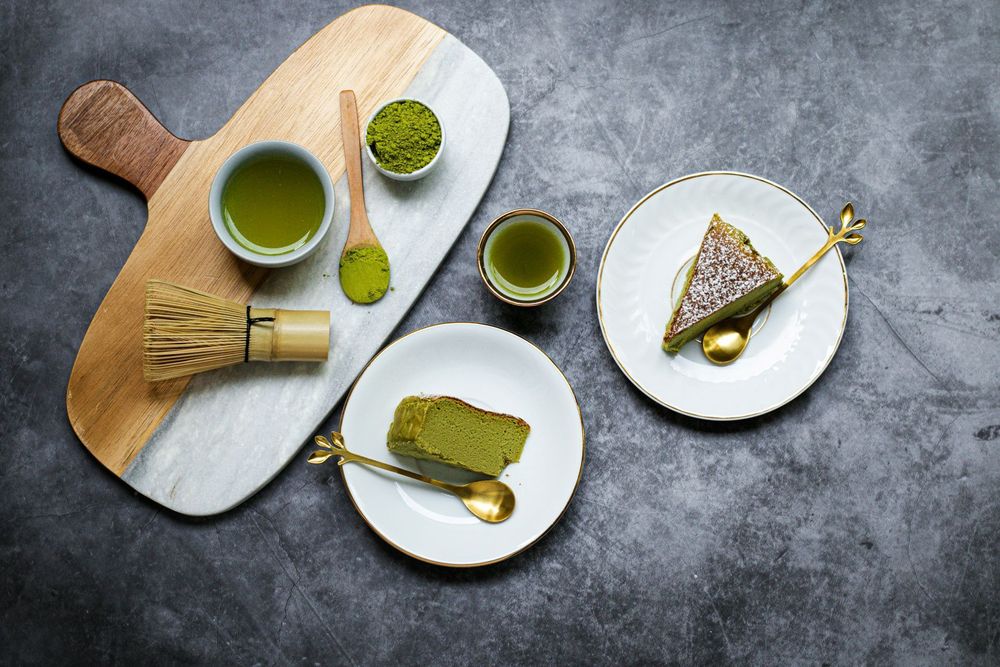
For example, sharing recipes like this matcha dessert idea can help demonstrate product use and attract customers. Email marketing and social media campaigns also play a key role in customer engagement.
How to Scale Your Matcha Business
Once your brand is established, scaling becomes the next priority. You can expand your product range by introducing flavoured matcha or ready-to-drink options. Partnering with retailers can also increase your reach.
Investing in marketing and improving customer experience helps drive repeat purchases. Scaling requires planning, but it offers significant growth potential.
Conclusion
Launching a matcha private label brand is a powerful way to enter the growing UK market. With the right strategy, supplier, and branding, you can build a scalable and profitable business.
From sourcing to packaging and marketing, every step plays a key role in your success. By planning carefully and avoiding common mistakes, you can create a brand that stands out. Take the first step today and turn your idea into a successful matcha business.
Frequently Asked Questions
What is matcha private label?
How much does it cost to start a matcha brand?
Do I need experience to start?
How do I choose the right supplier?
Is matcha a profitable business in the UK?