What Is Ceremonial Grade Matcha & Why It Matters
Ceremonial grade matcha is the highest quality form of Japanese green tea powder, traditionally prepared with water and enjoyed without additives. Unlike culinary matcha, it is grown, harvested, and processed for flavour, aroma, and smoothness rather than cooking.
At Matcha And Beyond , matcha education is just as important as quality sourcing. Whether you are new to matcha or refining your daily tea ritual, understanding ceremonial grade matcha helps you make better choices for taste, wellness, and authenticity.
In this definitive guide, you’ll learn what ceremonial grade matcha is, how it’s made, why it matters, and how to choose the best ceremonial matcha green tea powder for your lifestyle.
What Is Ceremonial Grade Matcha?
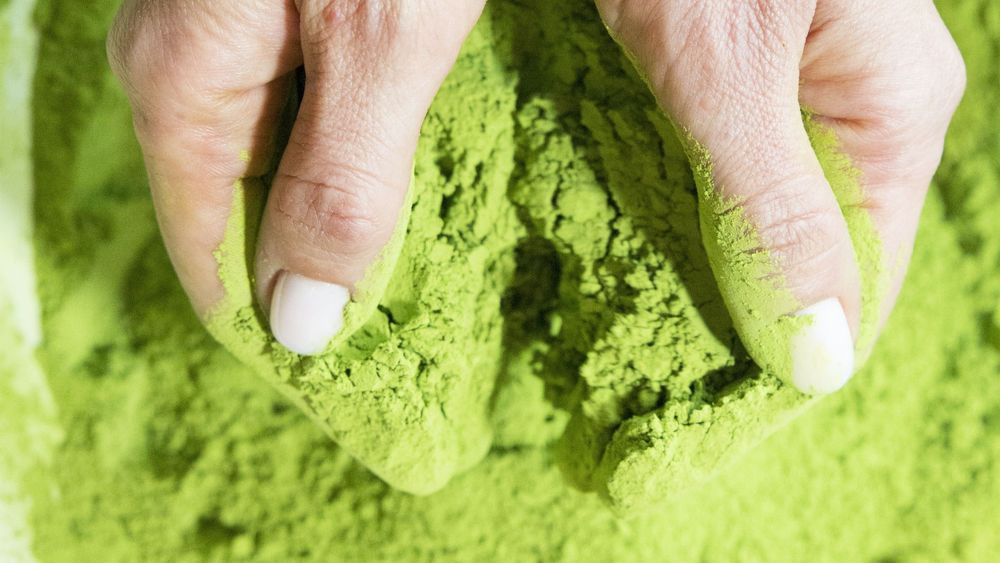
Ceremonial grade matcha refers to matcha green tea powder made from the youngest, most tender tea leaves of the Camellia sinensis plant. These leaves are shade-grown, hand-picked, stone-ground, and processed with extreme care in Japan.
Key Characteristics of Ceremonial Matcha
- Vibrant, bright green colour
- Smooth, creamy mouthfeel
- Naturally sweet and umami-rich flavour
- No bitterness or harsh aftertaste
- Intended for drinking straight with water
Ceremonial matcha tea is traditionally used in Japanese tea ceremonies, where purity and balance are essential.
The Origins of Japanese Ceremonial Matcha
Japanese ceremonial matcha green tea traces its roots back over 800 years. Zen Buddhist monks originally consumed matcha to enhance meditation focus and clarity. Over time, it became central to the Japanese tea ceremony (Chanoyu).
Only specific regions in Japan are known for producing true ceremonial matcha, including:
- Uji (Kyoto)
- Nishio (Aichi)
- Shizuoka
- Kagoshima
These regions offer ideal climate, soil, and expertise required for premium ceremonial grade matcha production.
How Ceremonial Grade Matcha Is Made
Ceremonial grade matcha is made by shade-growing young tea leaves, hand-harvesting them, and stone-grinding the dried leaves into a fine green powder.
1. Shade Growing (Tana Cultivation)
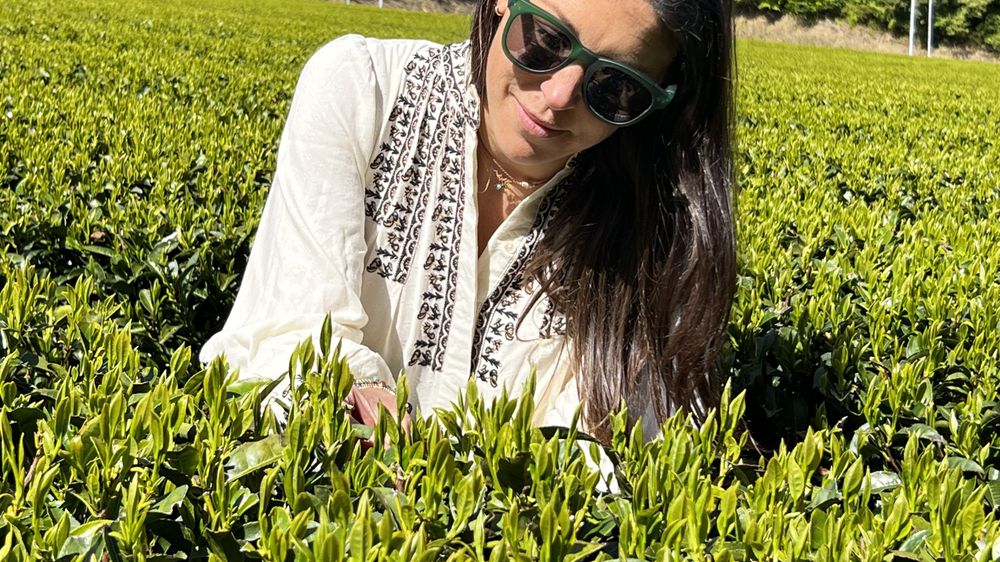
Tea plants are shaded for 20–30 days before harvest. This boosts chlorophyll and amino acids, creating matcha’s signature green colour and umami flavour.
2. Hand Harvesting
Only the youngest top leaves are selected. This step is crucial for producing ceremonial matcha green tea powder that is smooth and refined.
3. Steaming & Drying
Leaves are steamed immediately after harvest to prevent oxidation, then dried and de-stemmed to become tencha.
4. Stone Grinding
Tencha is ground slowly using granite stone mills. This preserves nutrients and prevents heat damage.
Ceremonial Grade Matcha vs Culinary Grade Matcha
Understanding this difference is essential for beginners.
| Feature | Ceremonial Matcha | Culinary Matcha |
|---|---|---|
| Colour | Bright green | Dull or yellow-green |
| Taste | Sweet, umami | Bitter, strong |
| Texture | Ultra-fine | Slightly coarse |
| Use | Drinking straight | Cooking & baking |
| Price | Higher | Lower |
Ceremonial matcha powder is not designed for lattes, desserts, or cooking. It shines when prepared simply with hot water.
Why Ceremonial Grade Matcha Matters
Ceremonial grade matcha matters because it delivers superior flavour, higher nutrients, and an authentic Japanese tea experience meant to be enjoyed pure.
Superior Taste Experience
Ceremonial matcha offers a smooth, naturally sweet flavour with no need for sugar or milk. This makes it ideal for daily mindfulness rituals.
Higher Nutritional Integrity
Because ceremonial matcha tea uses young leaves, it contains higher levels of:
- L-theanine
- Chlorophyll
- Antioxidants (EGCG)
Authentic Japanese Tradition
Using Japanese ceremonial matcha green tea respects centuries of tea culture and craftsmanship.
Health Benefits of Ceremonial Matcha Green Tea
Ceremonial grade matcha provides a wide range of wellness benefits:
Sustained Energy Without Jitters
Thanks to L-theanine, caffeine is released slowly, offering calm alertness instead of spikes.
Rich in Antioxidants
Matcha contains up to 137 times more antioxidants than regular green tea.
Supports Focus & Calm
Ceremonial matcha powder is often used before meditation, work, or creative sessions.
Metabolism & Detox Support
Chlorophyll aids detoxification while catechins support fat oxidation.
How to Prepare Ceremonial Matcha Tea Properly
To prepare ceremonial matcha tea properly, whisk high-quality matcha powder with hot water below boiling until smooth and frothy.
Traditional Preparation
- Sift 1–2 grams of ceremonial matcha powder
- Add 60–70 ml of water (70–80°C)
- Whisk in a “W” motion using a bamboo whisk
- Enjoy immediately
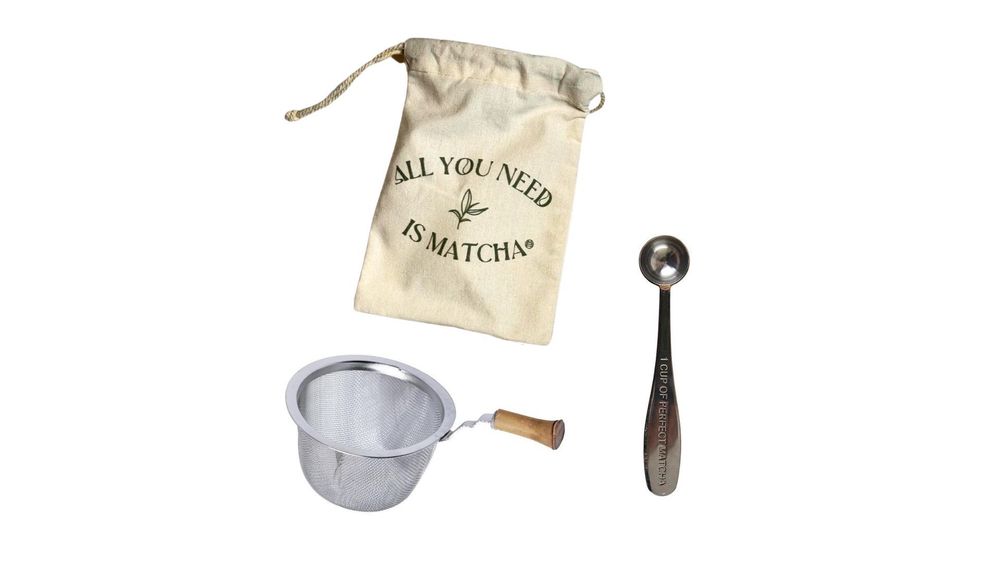
Tools You’ll Need
- Chawan (matcha bowl)
- Chasen (bamboo whisk)
- Chashaku (bamboo scoop)
Avoid boiling water, as it damages flavour and nutrients.
How to Identify High-Quality Ceremonial Matcha
When shopping for ceremonial grade matcha, look for:
- Origin clearly listed as Japan
- Harvest season information
- Stone-ground processing
- Vibrant green colour
- Airtight packaging
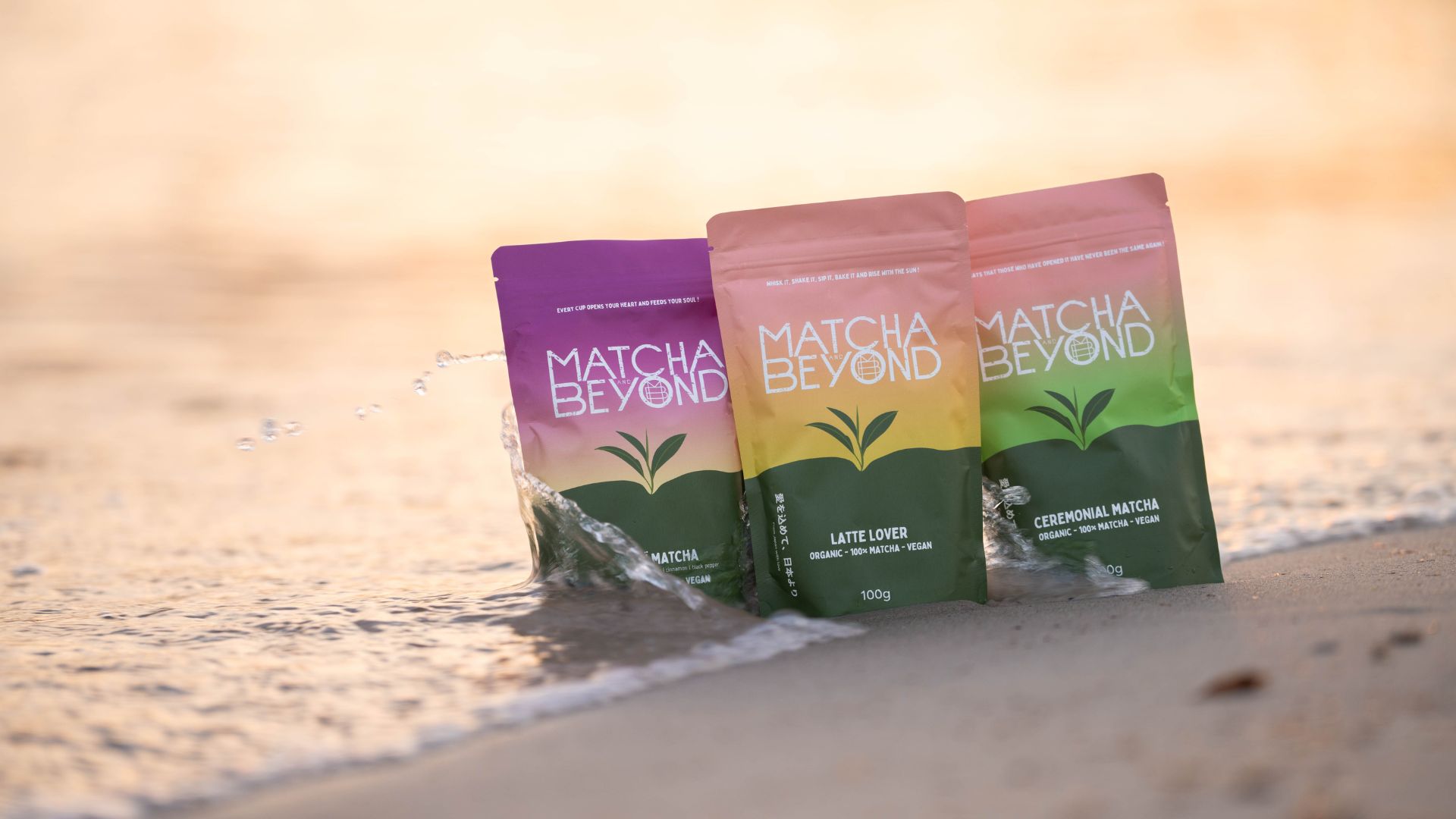
For authentic sourcing, explore premium ceremonial grade matcha curated for purity and freshness.
Storage Tips for Ceremonial Matcha Powder
Proper storage preserves flavour and nutrients.
- Store in an airtight container
- Keep away from light, heat, and moisture
- Refrigerate after opening (sealed)
- Consume within 4–8 weeks
Ceremonial matcha green tea powder is sensitive and should be treated like a fresh ingredient.
Ceremonial Matcha for Beginners: Is It Worth It?
Yes, especially if you plan to drink matcha daily. While ceremonial matcha costs more, the experience, flavour, and health benefits justify the investment.
If you plan to use matcha for cafes or bulk needs, explore matcha green tea wholesale products for scalable options.
Common Myths About Ceremonial Grade Matcha
Myth 1: Ceremonial Matcha Is Just Marketing
False. The grading reflects leaf quality, processing method, and intended use.
Myth 2: Bright Green Means Artificial Colour
Authentic ceremonial matcha is naturally vibrant due to chlorophyll.
Myth 3: All Matcha Tastes the Same
Flavour varies significantly based on region, harvest, and cultivar.
Sustainability & Ethical Sourcing
High-quality Japanese ceremonial matcha is often produced by small farms using traditional, sustainable methods. Supporting ethical brands helps preserve Japanese tea heritage.
Why Ceremonial Grade Matcha Is Worth It
Ceremonial grade matcha is more than just green tea - it’s a mindful ritual, a health-supporting beverage, and a connection to centuries of Japanese tradition. From its vibrant colour to its smooth umami flavour, every detail reflects craftsmanship and care.
Whether you’re starting your matcha journey or refining your daily practice, choosing authentic ceremonial matcha green tea powder ensures a superior experience in every cup.
Explore trusted sources, invest in quality, and enjoy matcha the way it was meant to be experienced.
Frequently Asked Questions
What does ceremonial grade matcha mean?
How is ceremonial grade matcha different from regular matcha?
Can beginners drink ceremonial grade matcha?
Is ceremonial matcha worth the higher price?
Can ceremonial matcha be used for lattes or baking?