What Makes Good Matcha A Nutritional Therapist’s Perspective
Choosing ceremonial matcha powder can feel overwhelming, especially for customers who want authentic flavour, clean sourcing, and reliable health benefits. From a nutritional therapist’s perspective, high quality matcha is more than green tea powder. It is nutrient rich, antioxidant dense superfood that depends on careful farming, craftsmanship, and proper storage. Understanding what makes a good ceremonial powder helps consumers shop confidently and enjoy matcha in its purest form. To explore carefully sourced options and discover more about the craft of matcha, readers can learn about the brand at Matcha & Beyond .
In addition, knowing how to evaluate matcha powder reduces waste and allows customers to enjoy deeper flavours, smoother textures, and a calm, long-lasting release of energy. This guide covers sourcing, colour, aroma, texture, farming practices, flavour profiles, grades and common buying mistakes. Readers who want to browse curated authentic single-origin matcha choices can view options at the ceremonial matcha powder collection.
How to Choose Good Matcha Understanding Its Origins
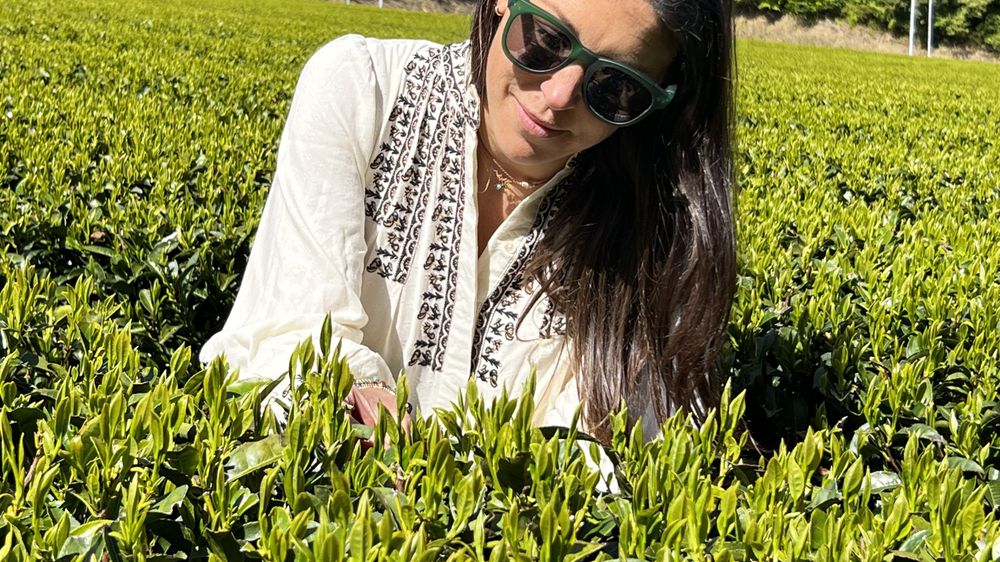
Quality begins at origin. The finest ceremonial matcha powder comes from Japan where farmers follow centuries old cultivation practices. Regions such as Uji, Kyoto, Kagoshima and Shizuoka are known for nutrient dense and flavour rich leaves. Soil quality, shading duration and harvest timing shape the character of matcha.
Shading the tea plants for several weeks increases chlorophyll levels, which gives matcha its signature bright green colour. It also raises L theanine, an amino acid known for promoting calm focus. Nutritional therapists value L theanine because it supports smooth energy without jittery spikes.
Consumers who want to explore a brand committed to Japanese sourcing can learn more on the about us page which explains heritage, standards and values behind careful matcha selection.
High Quality Matcha Signs Every Consumer Should Know
There are specific markers that separate high quality ceremonial matcha powder from lower grades. These markers help buyers distinguish between options at first glance.
1 - Bright, Vibrant Green Colour
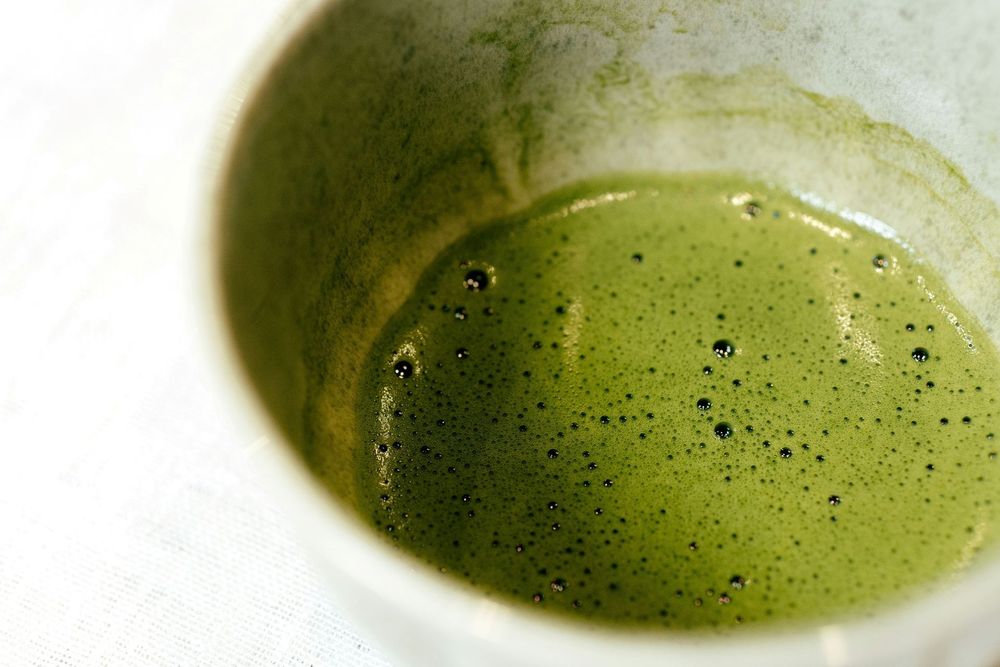
High quality ceremonial matcha powder is a vivid green. This reflects proper shading and careful harvest. Yellowish or brownish hues may indicate later harvest leaves, reduced chlorophyll, or oxidation due to poor storage after grinding.
2 - Fine, Silky Texture
Ceremonial matcha is stone ground into an ultra fine powder. A smooth, talc like consistency indicates correct grinding. Coarse granules often point to a lower culinary grade or industrial milling, which is more common in non-Japanese production.
3 - Fresh, Sweet Aroma
High-quality matcha should have a fresh vegetal aroma with subtle sweetness and a soft, creamy note. A dull or flat scent usually indicates aged powder or poor storage.
4 - Smooth Umami Taste
High quality matcha is never bitter. Ceremonial grade has a clean, rounded umami flavour that lingers without harsh aftertaste. This sweetness comes from well shaded, first harvest leaves.
5 - First Harvest Leaves
First harvest matcha is picked in spring when nutrients peak. It offers deep, vivid green colour, softer flavour and higher antioxidant levels.
Organic vs Non Organic Matcha Key Differences
Buyers often wonder whether organic matcha is always better. The answer depends on the region and farming practices.
In Kagoshima, where Japan’s largest concentration of organic tea fields is located, many neighbouring farms use similar low-input methods but choose not to pursue organic certification due to its cost.
Benefits of Organic Matcha
Organic farming avoids synthetic pesticides. Nutritional therapists appreciate organic matcha because it offers cleaner consumption especially when drinking matcha daily. Japan maintains strict standards for organic certification, ensuring safety and purity.
Non-Organic Considerations
Non organic does not automatically mean low quality. Many small tea farms follow sustainable practices even if they do not hold certifications due to high costs. In some regions, farmers rely on natural soil health and manual care.
Ideal Choice
For most consumers, organic ceremonial matcha powder offers peace of mind without sacrificing flavour. However, trusted non organic matcha from reputable Japanese farms can also be excellent.
Matcha Grades Ceremonial vs Culinary
Understanding grades helps buyers choose the right matcha for the right purpose. Because grading terms are not regulated, brands often use them loosely. Below is a practical guide to what these labels generally mean and what you should expect.
Ceremonial Matcha
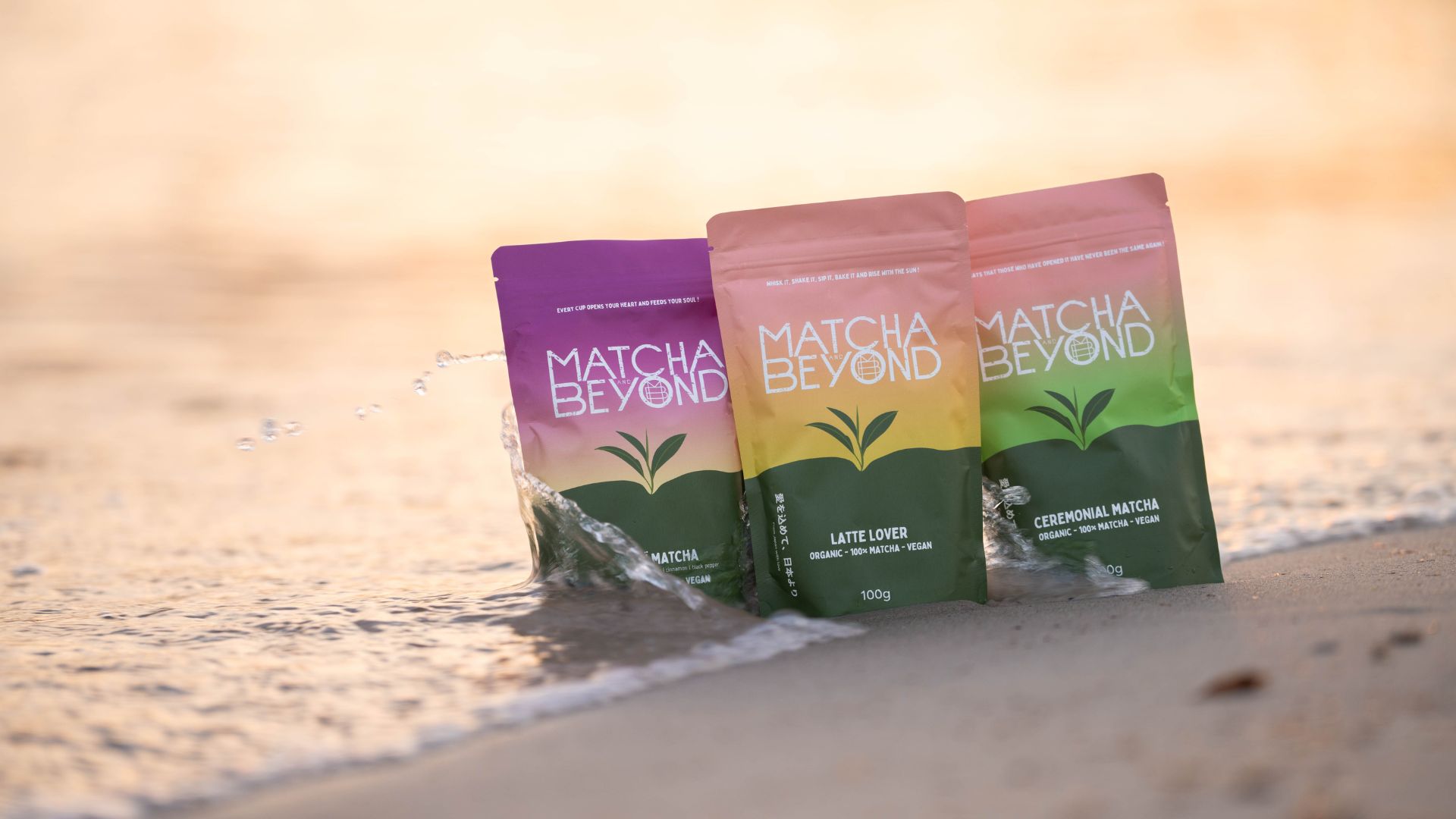
Ceremonial grade is made from the youngest, softest leaves, harvested in spring. It is suited for sipping on its own with water and produces a smooth foam. Because it is rich in chlorophyll and L theanine, it supports steady energy and mental clarity. This is the preferred choice for wellness routines.
Premium / Latte Grade Matcha
Premium or latte grade matcha is typically made from a blend of different harvests. Early spring leaves are often included to enhance colour and nutritional value, while later harvest leaves add strength and body. This balance makes it well suited to milk-based drinks and recipes with added flavours, where a ceremonial grade may be overshadowed. The colour is usually a lighter green, with a touch more bitterness and a fuller taste. Pricing is generally more accessible, and the exact blend ratio varies by producer to achieve the desired balance.
Culinary Matcha
Culinary matcha is stronger and slightly more bitter, with a more muted green colour that often carries yellowish tones. It works well in baking, smoothies, and sugary lattes where the flavour needs to cut through additional ingredients.
AAA, AA, and A Matcha grades
Labels such as AAA, AA, or A are also unregulated marketing terms. They are often used to loosely align with ceremonial (AAA), premium or latte (AA), and culinary (A) grades, but there is no industry standard, and usage varies widely between brands.
For those ready to explore ceremonial grade options, the brand’s curated range is available at the ceremonial matcha powder collection .
Matcha Flavour Profiles How to Identify Quality
Colour, flavour, and origin are among the most important quality indicators. Nutrition-focused consumers benefit from understanding flavour profiles, as a deep green colour generally reflects higher chlorophyll and antioxidant content. Japanese single-origin matcha also offers stronger assurance of farming practices and traceability.
Buyers should be aware that some newer products on the market blend small percentages of Japanese matcha with tea from other origins. In these cases, texture, flavour, nutritional value, and traceability may be compromised.
Key Flavour Features
- Clean sweetness#
- Deep umami without bitterness
- Gentle vegetal notes
- Smooth finish
- No gritty texture
The taste reflects nutrients like catechins, antioxidants and amino acids. When powder is fresh and ground well, these compounds influence flavour and aroma. A nutritional therapist values matcha that delivers a balanced experience while supporting digestion and steady focus.
How to Read Matcha Labels A Practical Guide
Consumers often overlook labels. However, small details help identify quality.
What to Look For
- Origin information
- Harvest season
- Ceremonial Latte/ premium grade or culinary grade
- Storage instructions
- Traceability – clear Lot number next to best before date
- Organic certification
The best matcha powder labels offer clarity and transparency.
Storage Matters. How to Keep Matcha Fresh
Matcha oxidises quickly. Proper storage keeps it vibrant and flavourful.
Storage Tips
Keep matcha in an airtight, opaque container, away from light and strong odours. Store it in a cool, dry environment and avoid humidity. Refrigeration is not essential, but it can help maintain freshness when matcha is used infrequently, provided the container is fully airtight to prevent moisture exposure. Transparent glass jars should be avoided while visually appealing, exposure to light will cause colour and flavour to deteriorate rapidly.
How to Prepare Ceremonial Matcha Powder Correctly
Correct preparation enhances taste and nutrient absorption.
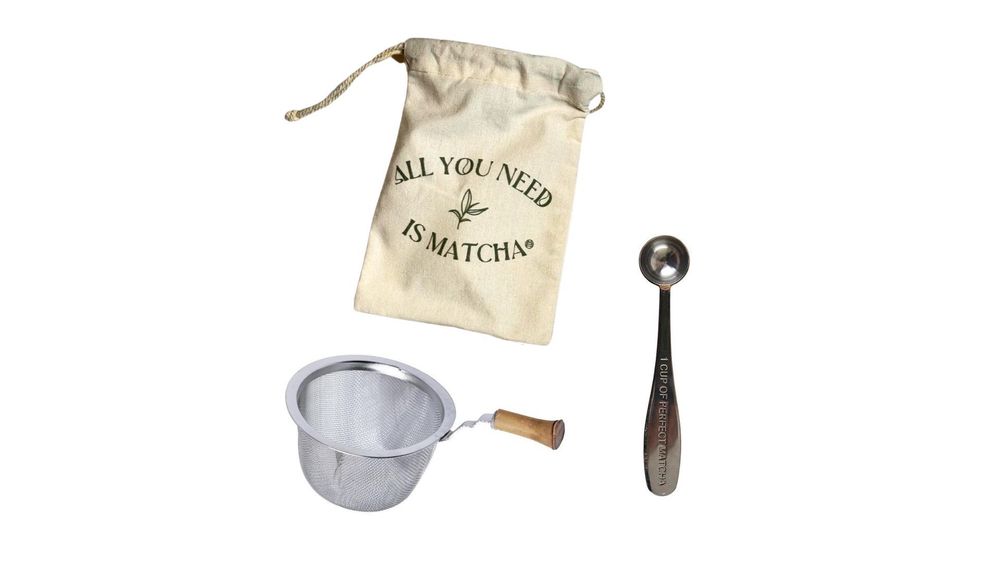
Step 1 Sift the Powder
Sifting breaks clumps for smoother whisking.
Step 2 Use Warm Water
Water should be around 80 degrees Celsius to protect flavour compounds.
Step 3 Whisk in an M Pattern
Whisk until a fine foam appears.
Step 4 Sip Slowly
Ceremonial matcha supports mindful moments and balanced energy.
Common Mistakes When Choosing Matcha
Buyers often make similar errors when selecting matcha for the first time.
Mistakes to Avoid
- Choosing based on price alone
- Ignoring origin information
- Buying large quantities that lose freshness
- Assuming all matcha is the same
Understanding these mistakes helps consumers shop confidently.
Scientific Insights Matcha and Nutrition
External scientific resources support the benefits of matcha. Research highlights its impact on antioxidant levels, metabolic support and mental clarity. Studies in nutritional journals report matcha’s catechin content and its ability to support steady energy. Readers can explore general scientific reviews from peer reviewed journals for further study.
Why Ceremonial Matcha Powder Appeals to Educated Consumers
Educated consumers want transparency, authenticity and quality. Ceremonial matcha offers all three when sourced well. It provides a richer flavour, higher nutrient profile and more enjoyable ritual experience.
Wellness enthusiasts value matcha for its balance between energy and calmness, making it ideal for morning routines and mindful rituals.
High quality ceremonial matcha powder depends on careful farming, clean processing and proper grading. Buyers should look for vivid colour, fine texture, sweet aroma and a smooth flavour. Understanding differences between organic and non organic, ceremonial, premium and culinary grade and first harvest and later harvest powders helps consumers choose with confidence.
From a nutritional therapist’s perspective, matcha is a powerful wellness ally when sourced correctly. It delivers antioxidants, L theanine and chlorophyll that support balanced energy and mental clarity. Buyers who want reliable options can explore premium offerings from brands committed to Japanese tradition and quality.
Choosing the right matcha transforms daily routines into calm, enjoyable rituals that support long term wellness.
Frequently Asked Questions
What makes ceremonial matcha powder different from regular green tea
Should beginners start with ceremonial grade
Is organic matcha always better
Why does the colour of matcha matter
How long does ceremonial matcha stay fresh