Behind Our Matcha - How Ethical Sourcing Supports Japanese Farmers
Introduction
Matcha has become a cherished drink around the world, appreciated for its vibrant colour, distinct flavour, and potential health benefits. Yet, behind every bowl of matcha lies the dedication of farmers in Japan who have cultivated tea for generations. Understanding how ethical sourcing practices affect these farmers is essential for anyone who values authenticity and sustainability. At Matcha & Beyond , the journey of matcha is not only about taste and tradition but also about supporting the communities who make it possible.
For those seeking authenticity, exploring options like Japanese ceremonial matcha offers a deeper appreciation of tea culture, while choosing to buy Japanese matcha connects consumers directly to the centuries-old expertise of tea-growing families. This article delves into how ethical sourcing uplifts Japanese farmers, sustains cultural traditions, and ensures quality for tea drinkers worldwide.
The History of Matcha and Its Cultural Roots
To understand the importance of ethical sourcing, it is vital to first appreciate the history of matcha. Tea was introduced to Japan from China during the 9th century, but it was the Zen monks who refined the process of grinding green tea leaves into fine powder for meditation and ritual. Over the centuries, matcha became embedded in Japanese culture, shaping practices such as the tea ceremony, which emphasizes respect, harmony, purity, and tranquillity.
The cultural value of matcha extends far beyond its consumption. In Japan, matcha is tied to artistic expression, seasonal traditions, and mindfulness. Farmers who dedicate their lives to cultivating tea carry the responsibility of preserving this cultural heritage. Choosing ethically sourced matcha ensures these traditions continue for future generations.
What Ethical Sourcing Means in the Context of Matcha
Ethical sourcing goes beyond simply purchasing tea leaves. It involves transparent partnerships with farmers, ensuring fair wages, sustainable farming practices, and respect for cultural traditions. For matcha, ethical sourcing requires several important elements:
- Fair Compensation: Farmers receive a fair price for their harvest, reflecting the labour-intensive nature of matcha cultivation.
- Sustainability: Farming practices prioritize soil health, biodiversity, and reduced chemical use.
- Cultural Preservation: Farmers continue traditional methods that have been passed down through generations.
- Transparency: Consumers understand where their tea comes from and the conditions under which it was grown.
By supporting ethical sourcing, every purchase of Japanese ceremonial matcha becomes more than a beverage choice. It becomes a statement about sustainability, cultural preservation, and community support.
The Role of Japanese Farmers in Matcha Production
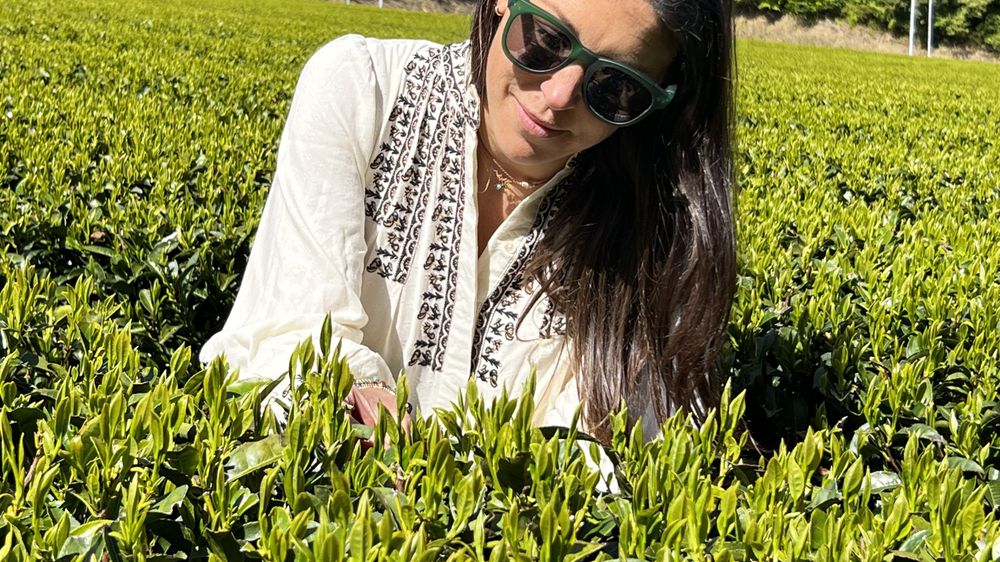
Japanese farmers are at the heart of matcha production. Their expertise spans soil management, shading techniques, hand-picking, and stone-grinding leaves into a delicate powder. Unlike conventional farming, matcha cultivation is labour-intensive and requires patience. Farmers must monitor every stage, from planting to harvest, ensuring that the leaves retain their vibrant green colour and rich umami flavour.
Many matcha-producing regions, such as Uji in Kyoto and Nishio in Aichi Prefecture, have relied on tea cultivation for centuries. Families often pass down their tea farms from one generation to the next, creating deep connections between people, land, and tradition. Ethical sourcing ensures these communities thrive despite challenges like urban migration, aging populations, and international competition.
Why Ethical Sourcing Matters to Farmers
Ethical sourcing is not only about quality but also about ensuring farmers’ livelihoods remain secure. When tea is bought at low market rates without regard to labour, farmers may struggle to sustain their farms. Ethical partnerships provide stability by guaranteeing fair compensation, which helps farmers reinvest in their land, equipment, and communities.
Additionally, ethical sourcing encourages long-term relationships rather than short-term transactions. Farmers who are supported in this way can maintain the highest standards, knowing their dedication will be rewarded. For consumers, this means that every time they buy Japanese matcha , they are contributing to a cycle of fairness and sustainability.
Sustainable Farming Practices in Matcha Production
Sustainability plays a crucial role in ethical sourcing. Tea farming can be demanding on the environment, but Japanese farmers use techniques designed to minimize impact.
Key Sustainable Practices
- Shading Techniques: By shading tea plants before harvest, farmers reduce the need for chemical fertilizers while enhancing flavour.
- Organic Farming: Many farms are adopting organic practices, avoiding synthetic pesticides and focusing on natural soil enrichment.
- Crop Rotation and Soil Care: Farmers use crop rotation and natural composting to keep soil healthy.
- Water Management: Efficient irrigation systems help reduce water waste.
These practices not only support the environment but also preserve the distinct flavour and nutritional value that makes Japanese ceremonial matcha unique.
Ethical Sourcing Benefits for Farmers and Consumers
| Aspect | Benefits for Farmers | Benefits for Consumers |
|---|---|---|
| Fair Compensation | Stable income and reinvestment in farms | Assurance of authentic, high-quality matcha |
| Sustainability | Long-term farm viability and soil health | Environmentally responsible consumption |
| Cultural Preservation | Continuation of traditional farming methods | Connection to authentic Japanese tea culture |
| Transparency | Clear understanding of value chain | Trust in product origin and authenticity |
This balance of benefits highlights how ethical sourcing creates mutual respect between farmers and consumers, ensuring a sustainable future for matcha production.
Preserving Tradition Through Modern Practices
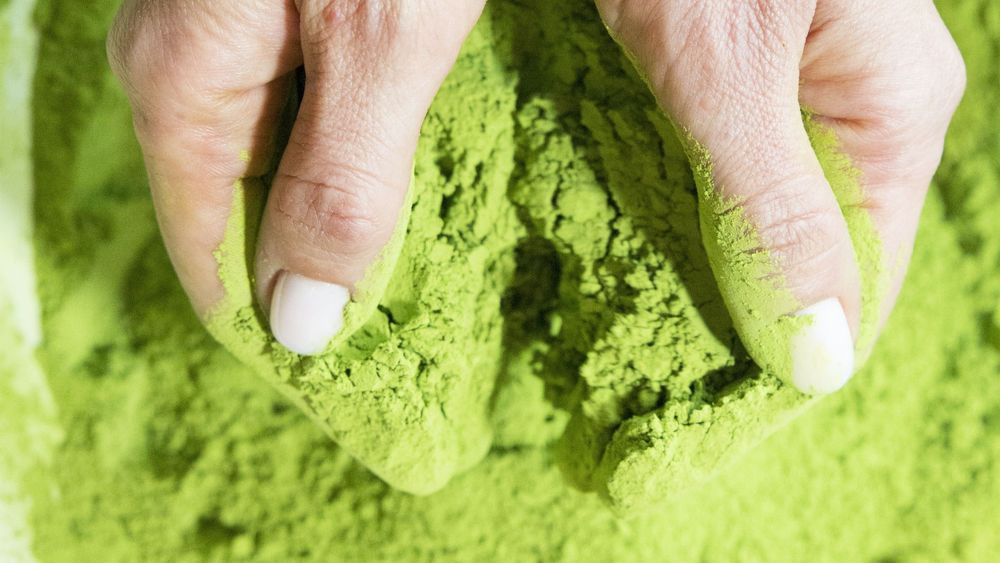
While technology plays a role in modern agriculture, traditional practices remain central to authentic matcha cultivation. Farmers often use centuries-old techniques such as hand-harvesting the youngest leaves, steaming them immediately to preserve freshness, and grinding them slowly with granite stones.
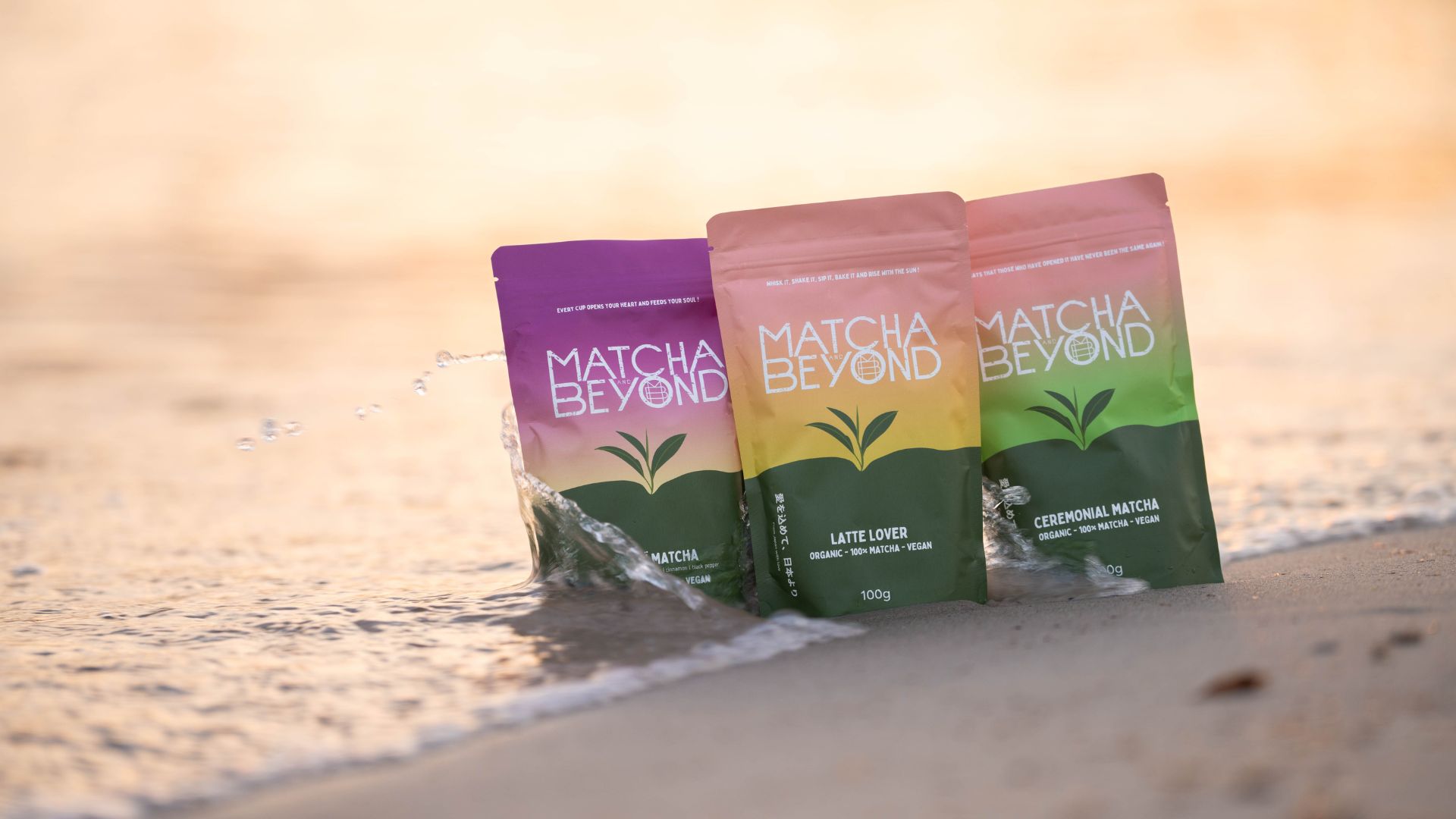
Ethical sourcing ensures that these practices are preserved rather than replaced by cheaper, less authentic methods. Consumers who shop Matcha and Beyond's collections have the opportunity to directly support these traditions and enjoy matcha that reflects its cultural origins.
Challenges Faced by Japanese Farmers
Despite global interest in matcha, Japanese farmers face several challenges:
- Aging Farmer Population: Many tea farmers are elderly, with fewer young people entering the profession.
- Climate Change: Unpredictable weather patterns affect harvest quality and yields.
- Market Competition: Mass-produced, lower-quality teas compete with traditional matcha.
- Land Use Pressure: Urban development reduces agricultural land availability.
Ethical sourcing helps mitigate these challenges by creating stable demand and fair pricing, enabling farmers to continue their work and pass their expertise to future generations.
How Consumers Can Support Ethical Sourcing
Consumers play a powerful role in shaping the tea industry. Every purchase is a choice between supporting ethical practices or contributing to unsustainable systems. By prioritizing authenticity and transparency, consumers can help ensure farmers receive the recognition and compensation they deserve.
Ways to support ethical sourcing:
- Choose to buy Japanese matcha from reputable brands with transparent sourcing.
- Look for certifications or direct trade relationships that verify ethical practices.
- Educate others about the value of supporting authentic Japanese farmers.
- Support brands like Matcha & Beyond that prioritize farmer welfare.
The Consumer’s Experience of Ethical Matcha
The benefits of ethical sourcing are not abstract, they can be tasted in every sip. Ethically sourced matcha often has a smoother flavour, vibrant green colour, and richer umami compared to mass-produced alternatives. This is because farmers who are fairly compensated can dedicate time and resources to maintaining quality.
For consumers, enjoying Japanese ceremonial matcha is more than a drink, it is an act of connection. It means appreciating centuries of tradition, supporting modern farmers, and participating in a global movement toward sustainability.
Conclusion
Behind every bowl of matcha is the story of farmers whose dedication keeps traditions alive. Ethical sourcing ensures these farmers are compensated fairly, their environment is protected, and their cultural heritage is preserved. By choosing to buy Japanese matcha from transparent, responsible sources, consumers actively support this cycle of sustainability and respect.
Matcha is more than just a tea, it is a bridge between consumers and the farmers of Japan, between tradition and modernity, and between sustainability and everyday enjoyment. Supporting ethical sourcing ensures that this bridge remains strong for generations to come.
Frequently Asked Questions
What makes Japanese ceremonial matcha different from regular matcha?
Why is ethical sourcing important for Japanese matcha?
How can I be sure the matcha I buy is ethically sourced?
Is buying Japanese matcha better than other types?
Where can I buy authentic matcha online?